Business Development Program

Share this article

About the program


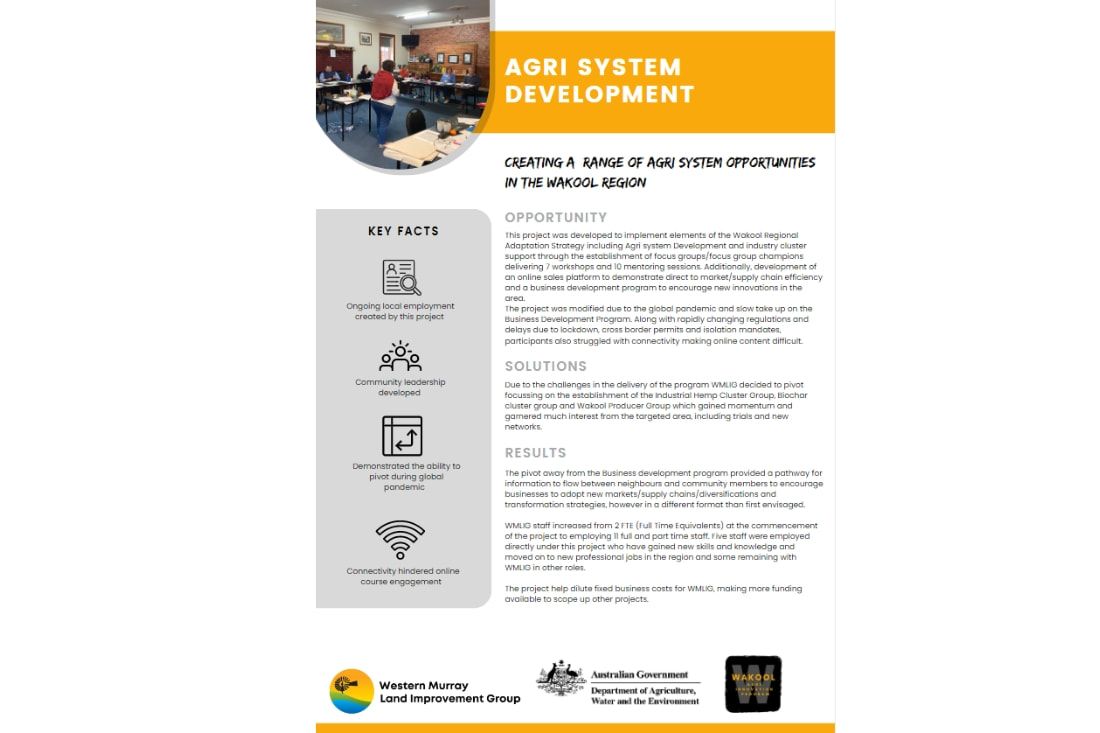
The Business Development Program (BDP) was part of the Wakool Agri-Innovation Program (WAIP) which was a major project funded by the Australian Government under the Murray-Darling Basin Economic Development Program. The aim of the BDP was to support producers in the Wakool region to explore value add opportunities and income diversification options, which would help support producers through adverse times.

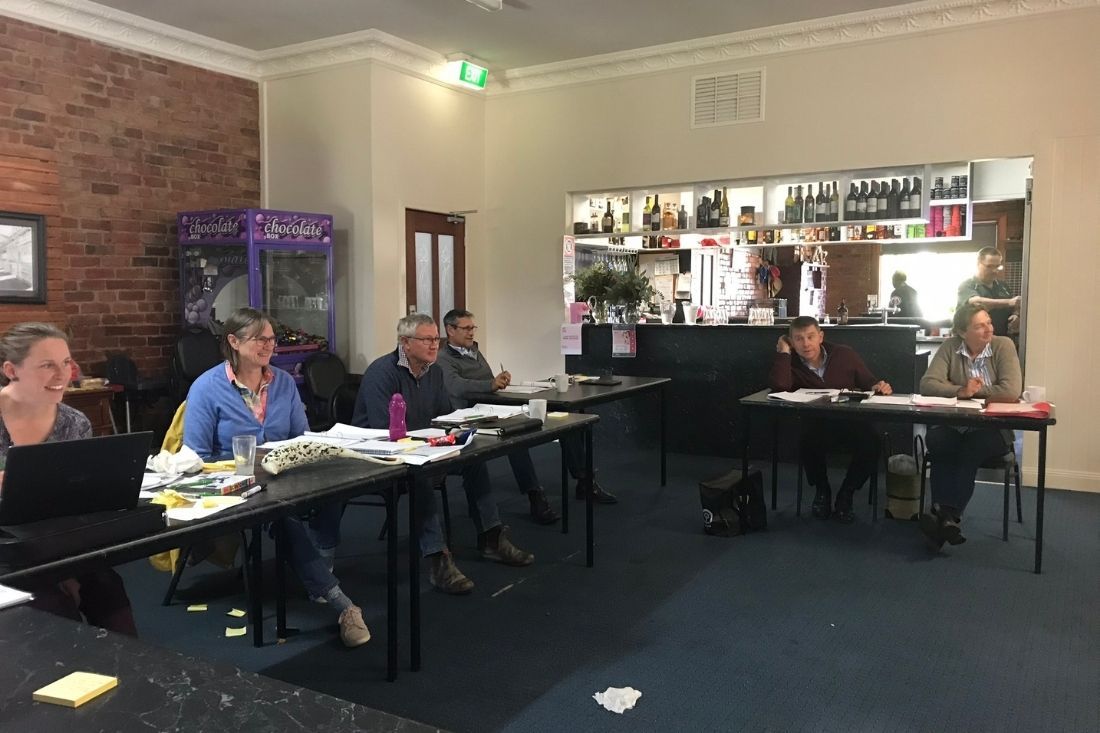
The program took place over two rounds and was facilitate by consultants Regionality. It brought together 21 local producers and business owners and their ideas to provide an alternative or additional income stream for their business.

​The sessions helped producers understand alternate pathways to market, to embrace opportunities, and build resilience through diversification and value adding beyond the farm gate.


Program Overview


It was intended that each of the two rounds of the BSP would consist of six full-day workshops that supported producers through a comprehensive pre-feasibility process to;

Understand their focus or purpose, core values and a framework for business decision making;

Identify spare capacity (property, product or IP);

Refine and ground truth their business concept;

Explore fundamental innovation related business concepts and processes;

Assist in helping producers to understand the farm to consumer value chain, developing brand framework and marketing strategy;

Guide producers through the key considerations in assessing the financial viability of your proposed venture;

Help producers to understand the relevant compliance and regulatory requirements and;

Connect producers with key people in industry, government agencies and programs that can support and assist you in the development of your business.


Case Study


Business Development Program Success Story


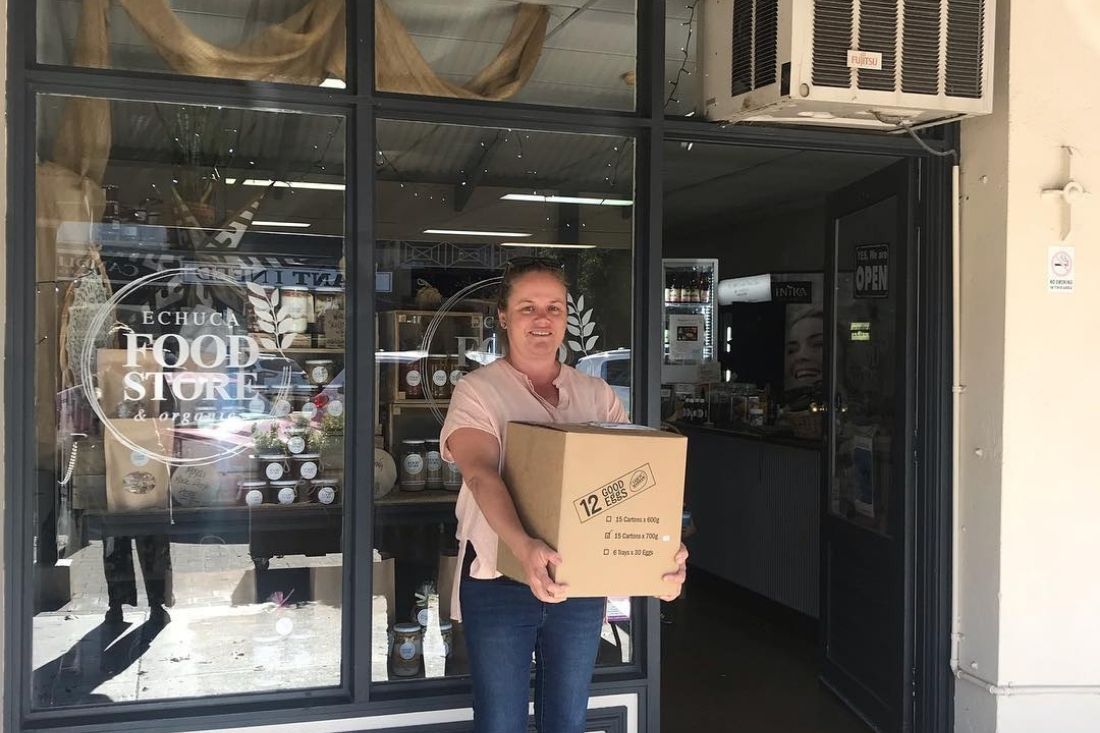
Fooch - By 12 Good Eggs


Waste Works A Treat


Kate Redfearn was at a fork in the road last year. Six years earlier, she had purchased 12 Good Eggs, a free-range egg farm located just outside of Moulamein in partnership with her parents. Business was going well and there was capacity to take the next step, but she was unsure of the best way to propel it forward. One option she was considering was a traditional path of increasing the number of chickens on farm and in turn increasing her supply of eggs. Which would mean finding more customers and more channels to sell through. Kate however also had a business challenge in mind that had always bothered her - waste.
​
Waste at one point seemed like an inevitable business challenge. Eggs for human grade consumption are meticulously selected. If there was the finest hairline fracture, invisible to the naked eye (luckily there are machines for that), it meant that an egg would be cast off. Then there’s eggs that are too big, or too small, or those that have defects. The ones which shells are too weak, meaning they are likely to break in transit. There is also the challenge of seasonal egg trends and matching supply demand on a short shelf -life product. Kate estimates that she was wasting 2.5 percent of her egg production each week. Apart from it being disheartening to see her and her parent’s hard work being thrown away, there is of course the matter of lost income. She also could not help but think that she was involuntarily contributing to a bigger picture


And waste is a big issue. According to the Australian Government Department of Agriculture, Water and the Environment food waste costs the Australian economy $20 billion each year. It is reported that Australians waste around 7.3 million tonnes of food annually or one in every five bags of food shopping that we purchase. Money and resource wasted aside; it also has a negative environmental impact making up more than five percent of Australia's greenhouse gas emissions. Kate acknowledged that following the path of producing more eggs without a plan in place to utilise waste would lead to even more waste being produced. 

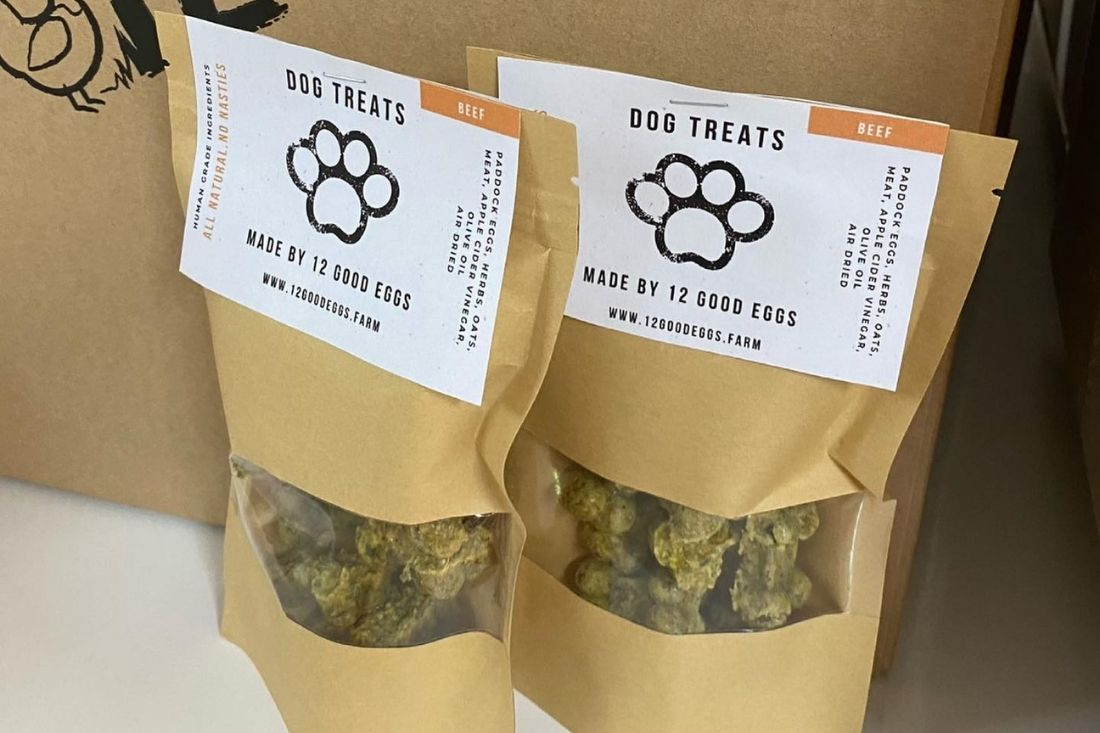
So, she started researching. She toyed with the idea of making egg pasta, but food safety and the labour involved was complicated. Plus, there was still the issue of eggshell waste. Then Kate came across the idea of pet food. With the rise in popularity of Doggy day spas, Barkuterie (yes, charcuterie platters for your dog), designer collars and leads, it is fair to say that people have gone barking mad for their dogs. Dogs are treated more like family members than well, pets. According to Business Insider Australia, in 2019 the pet industry was worth more than $12.2 billion. With 5.7 million households across Australia having at least one pet, and two in every five households (38 per cent) having dogs as pets, and all trends pointing to owners spending only increasing on their precious pooches, this seemed like a market worth having a crack at. Dog treats would allow her to utilise 100% of the egg waste (shells included) generated on farm. And from there, the idea of Fooch, “Premium dog food for your pooch” was born.

When the opportunity presented itself for Kate to participate in our Business Development Program facilitated by the
Regionality, experts in helping producers innovate and value add, she decided to use it as a forum to flesh out and workshop her idea. Reflecting upon her experience in the program Kate thinks that “being around like-minded people and being able to workshop ideas with Regionality gave me the inspiration and motivation to pursue this idea. Taking a step back and looking at our values was a pivotal point in the business. We concluded that diversifying and value-adding to our existing product was the way we wanted to move forward.” Whilst COVID-19 set the program some significant challenges including turning most of the program into zoom meetings rather than face-to-face sessions as initially planned, Kate persisted and at the end of the program had her business plan set out and ready to implement. 

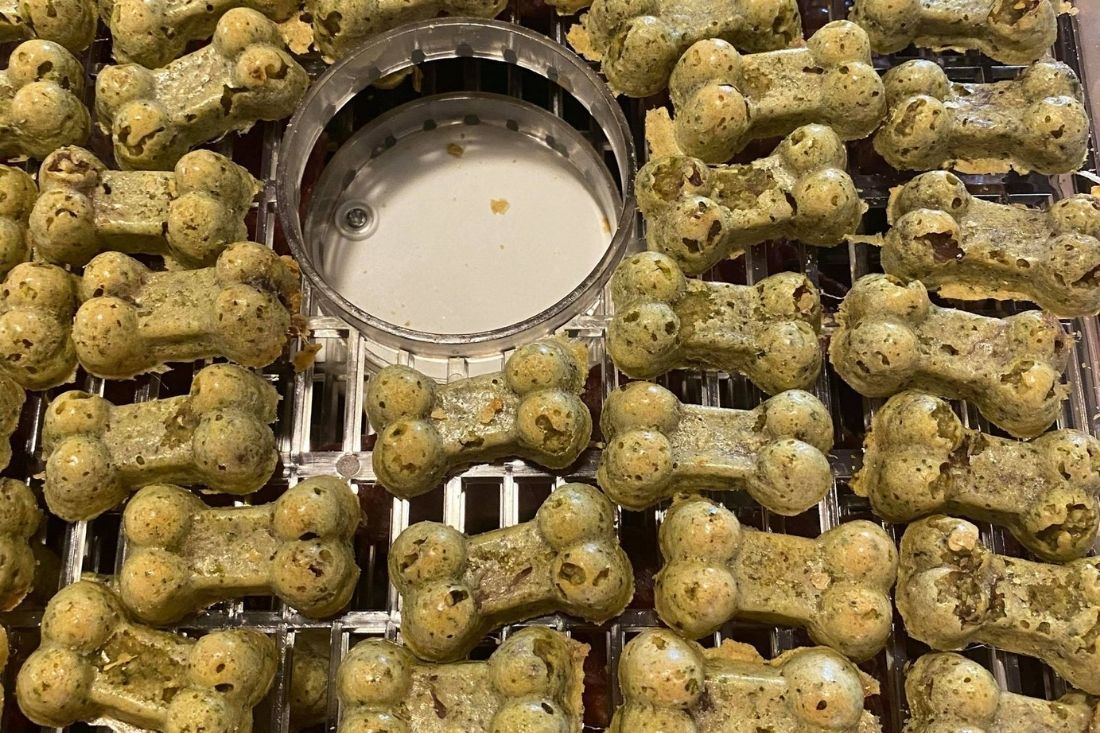
​Kate spent lots of time researching and trialling various recipes. They had to be healthy but of course also delicious to dogs. With all the cooking trials, she needed some willing participants. So, she spent a few months getting family and friends to trial the treats on their dogs. Eventually settling on a mixture of her would-be-wasted eggs, oats, turmeric, apple cider vinegar and parsley and mint as a base recipe. She also uses dehydrated meat bones to incorporate meat flavours. The treats use all-natural ingredients, you could even eat one yourself if you were curious, although you probably enjoy seasoning on your food. Currently cooking operations are undertaken at home, often with her four-year-old little helper Henry. Kate is making one large batch a week but planning on scaling up operations off the back of plenty of positive customer feedback. She is not ruling out expanding out to our feline friends in the future either.

Kate sells her dog treats Fooch at the Echuca Market every fortnight and will soon be selling them online on 12 Good Eggs
website. The Business Development program is an initiative of Western Murray Land Improvement Group and is part of the Wakool Agri-Innovation Program funded the Australian Government’s Murray-Darling Bason Economic Development Program. The Business Development program is facilitated by Regionality who specialise in helping producers understand alternate pathways to market, diversification, and value-adding beyond the farm gate. A second round of the Business Development Program will be commencing in May 2021. The program is free and open to producers in Wakool area and surrounds. To register your interest email admin@wmlig.org or call 03 5453 1577. 

Recent Projects

October 8, 2026
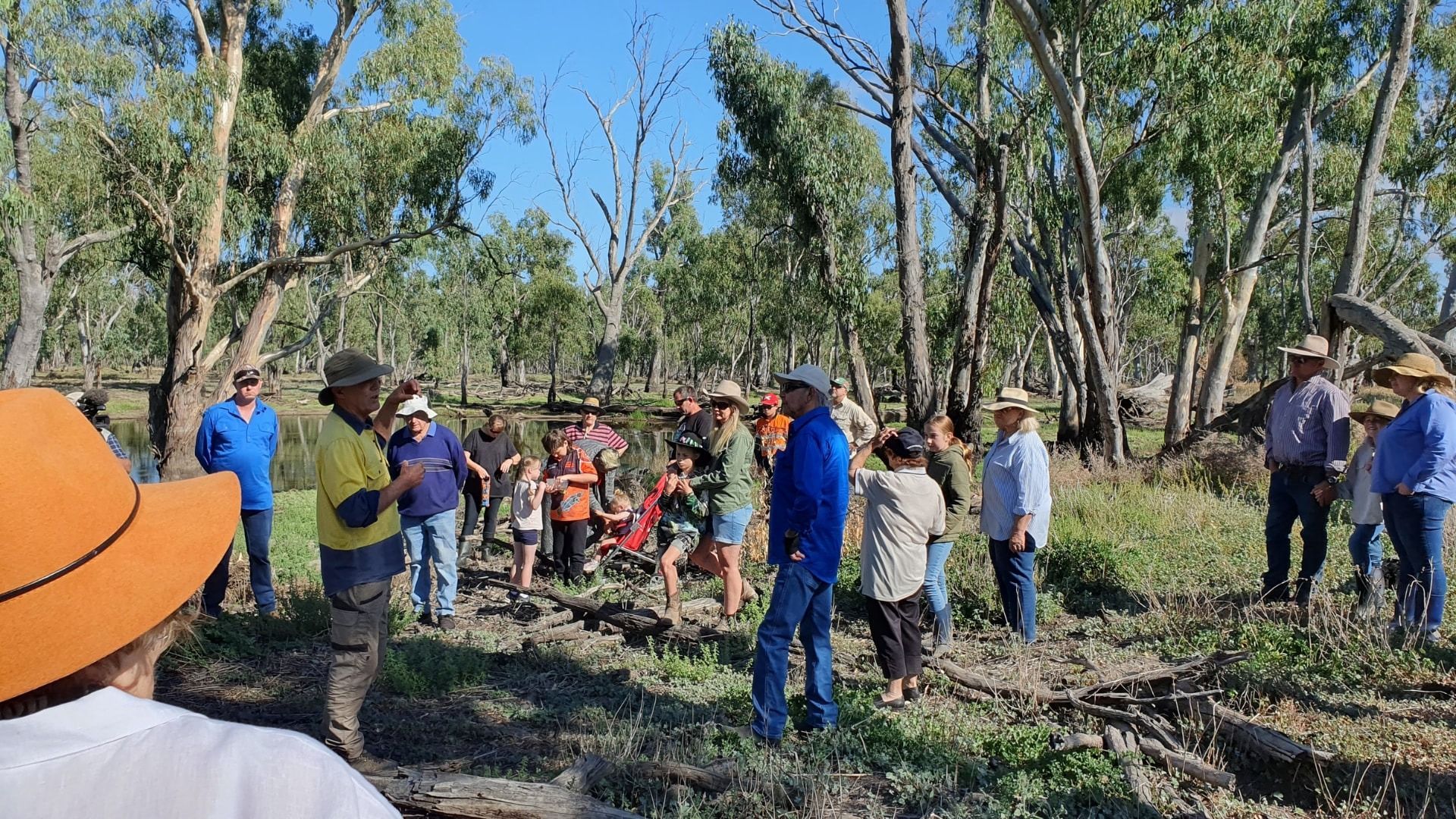
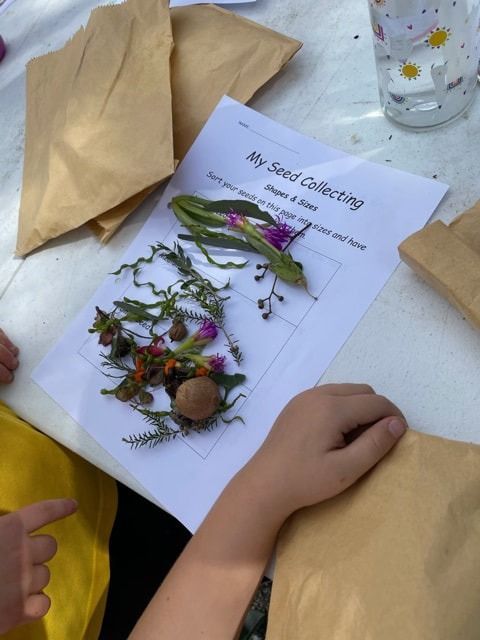
 On the 24th of October 2020, Western Murray Land Improvement Group along with Barham Landcare, held a fun and interactive workshop involving local Primary School children at Federation Reserve in Barham NSW. Two primary school classes from Barham Public School attended the workshop that saw Kindergarten on their very first out of school excursion. They were buddied up with Grade 3/4 and accompanied by 6 teachers and assistants from the school- making the total number of attendees 47. The workshop was facilitated by Barham Landcare volunteer and group treasurer Christine Dartnell and Local Landcare Coordinator (hosted by WMLIG) Stacey Waylen.
October 8, 2026
A summary of the day.
By Donna Marateo • October 8, 2026
A summary of the day.
October 8, 2026
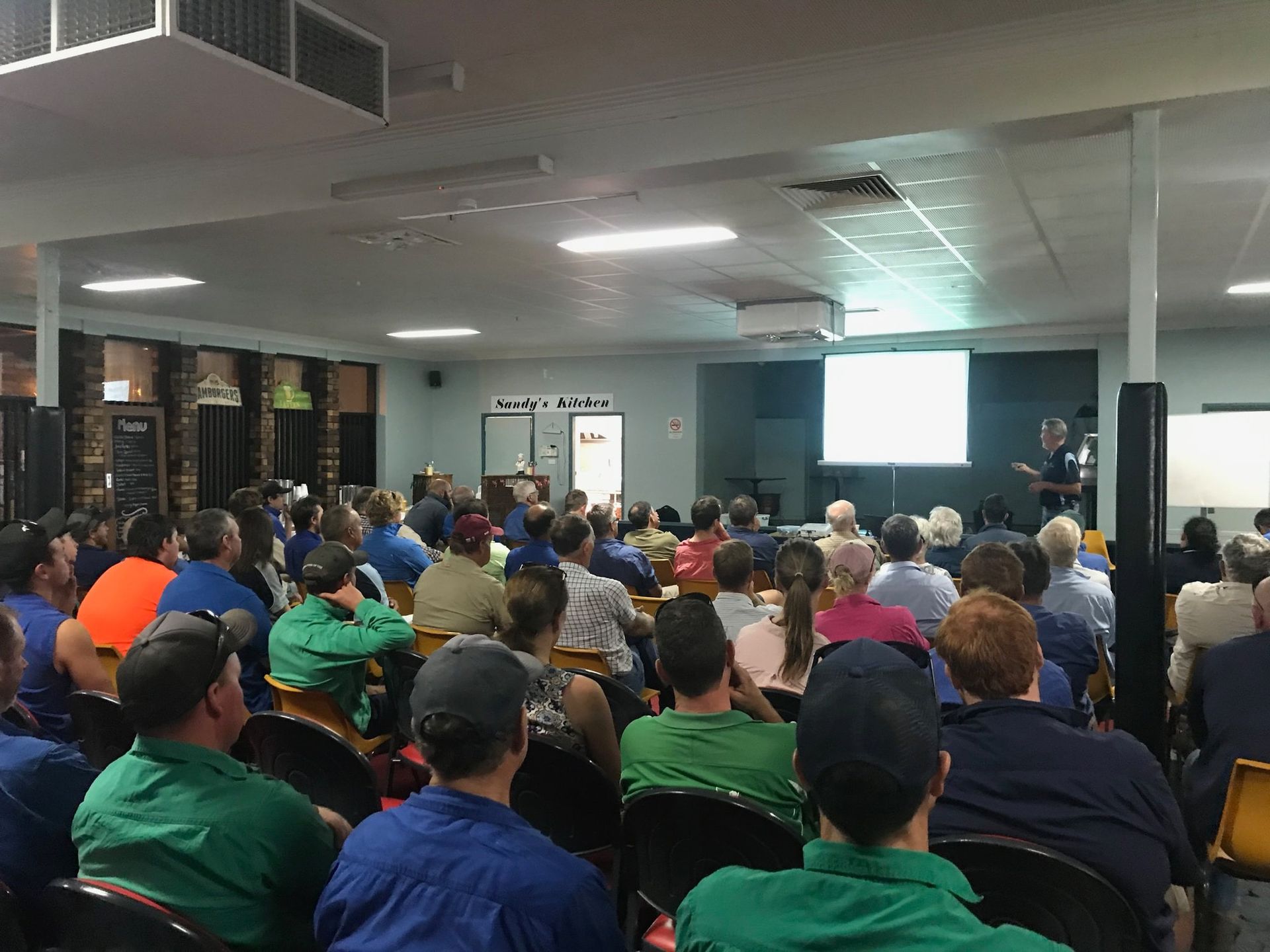
On the 31st of January 2020, over 120 local farmers and agricultural experts attended a Feedlot Information Day held in Wakool. The crowd was a diverse geographical mix, with attendees from Lalbert, Piangil, Moulamein, Barham, Deniliquin and Wakool. As following with the 'young farmer' focus of the event, the majority (42%) of attendees were under 35, while 28% were 35-45 and 37% were 45+. The day began with a workshop at the Wakool Club focused on livestock feedlot considerations. Presenter Geoff Duddy from Sheep Solutions discussed the pro's and con's of feedlotting versus containment feeding, the cost of feed and comparison of different systems. He emphasized the importance of feeding sheep protein to build muscle, wool and encourage growth. The group finished off with an understanding of how feedlots interacted with the whole farm system. Following this presentation, district vet Linda Searle (Murray Local Land Services), educated attendees on the range of livestock diseases or health complications associated with feedlot production systems.
October 2, 2026
Want to keep up to date?
October 2, 2026
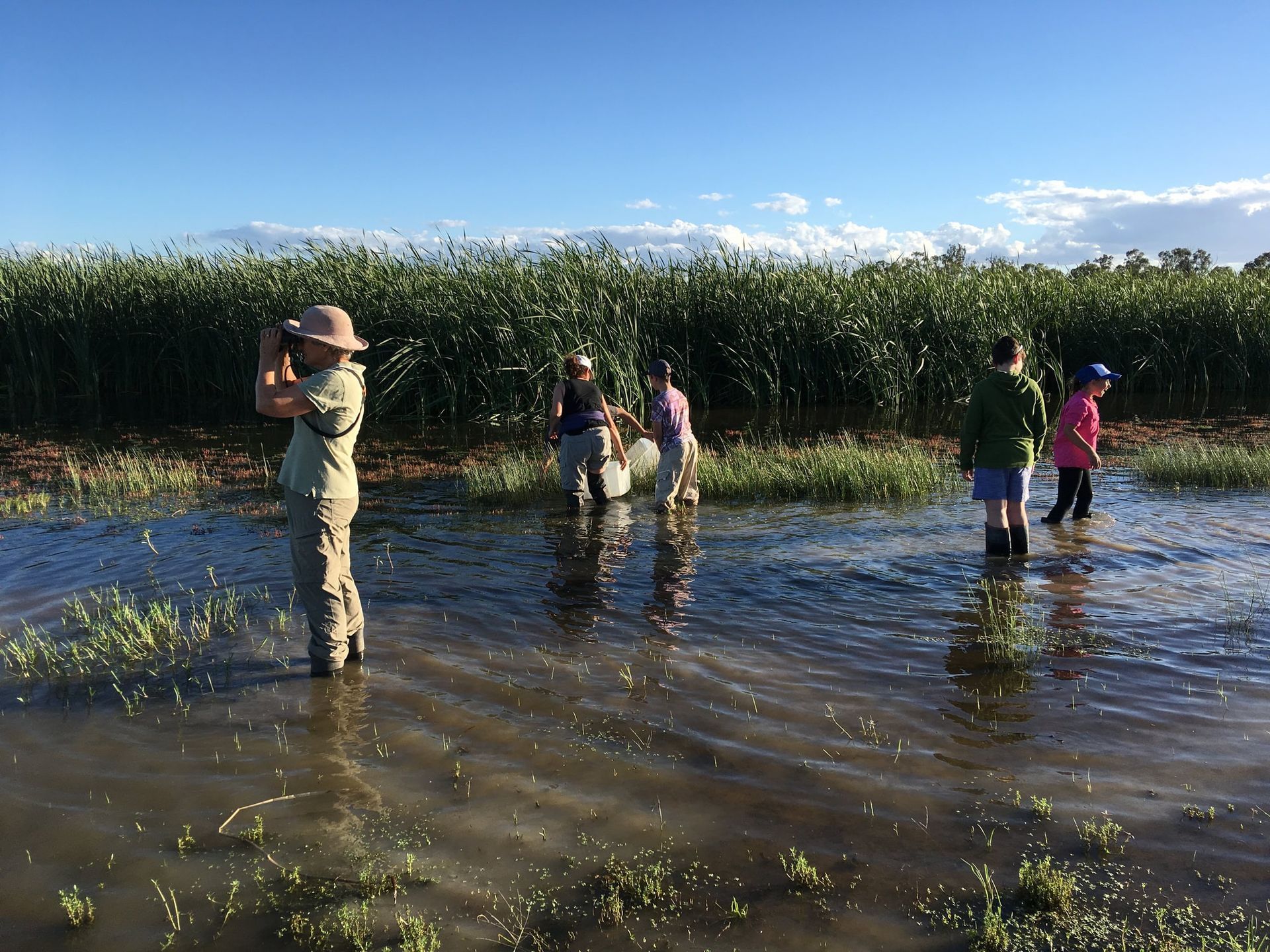
World Wetlands Day 2023
October 2, 2026
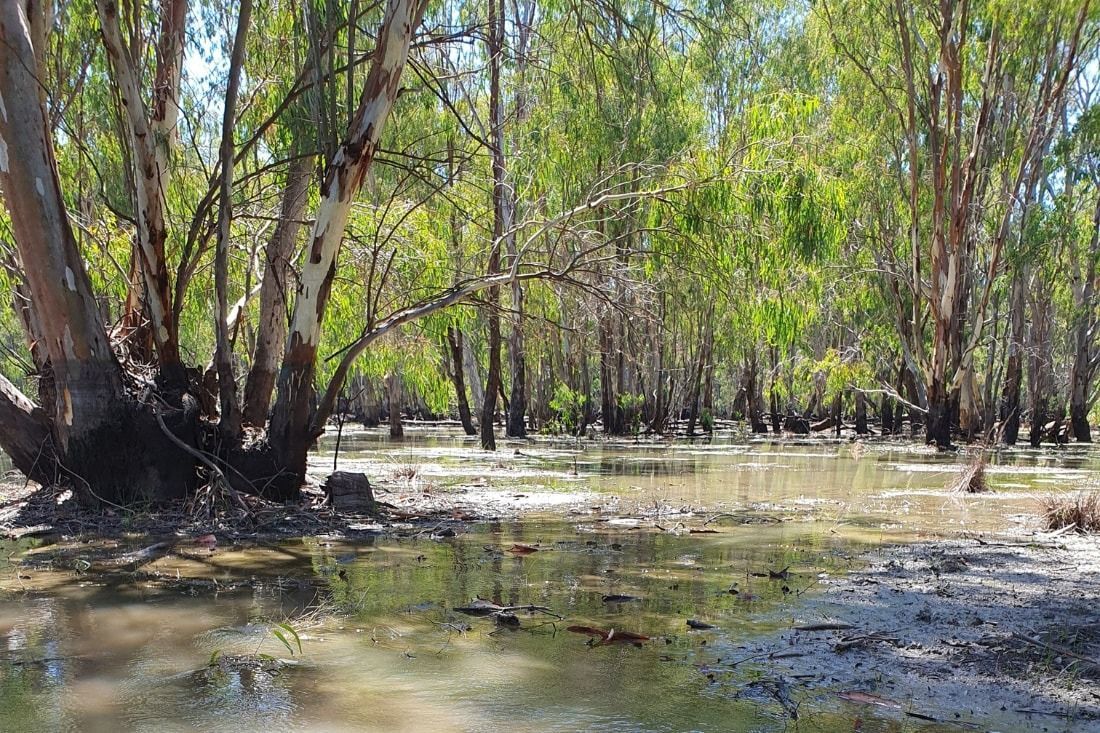
​Blackwater events cause mass fish deaths across the Murray-Darling Basin
By John Reynold Tubay • September 29, 2026
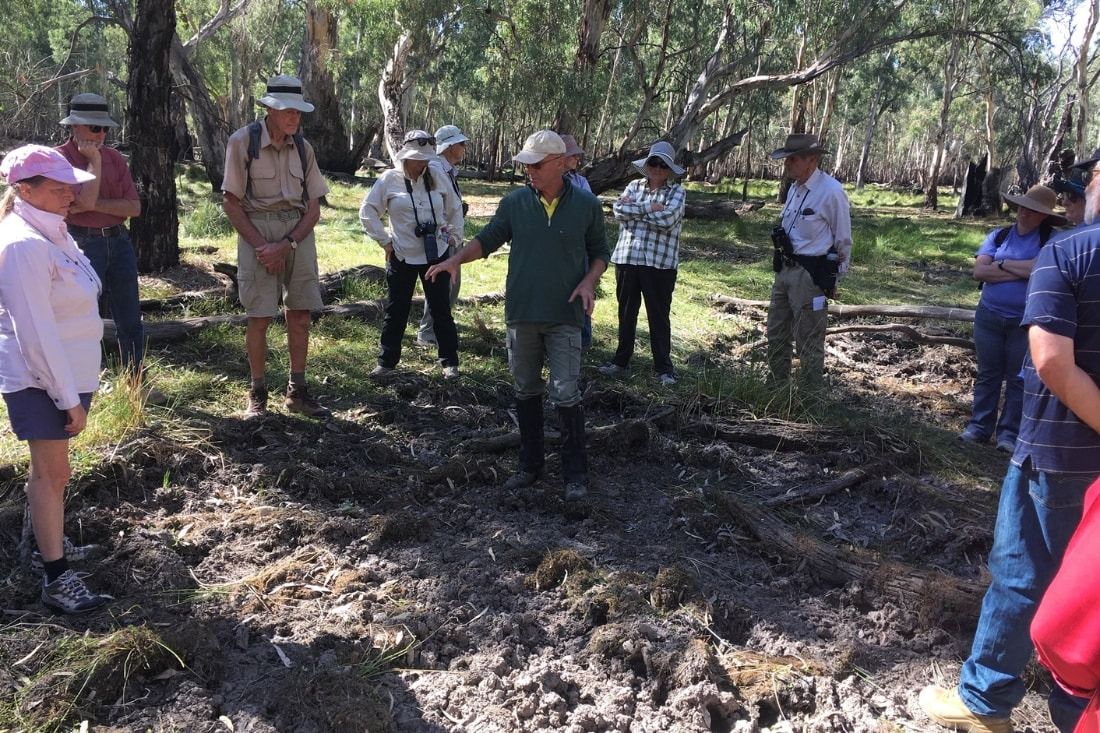
In March 2020, we organised and coordinated a tour for local producers of the Griffith, Whitton and Coleambally areas, in the north-western region of the Riverina region of New South Wales. ​ Whilst it was a challenge in COVID-regulation times, our organisers, Stacey and Amy, did a great job in selecting a line-up of some of the most impressive and inspiring businesses that have successfully innovated existing product or created new products utilising spare capacity. ​ Many of the businesses that the group visited looked at value-adding options, supply chain innovation, collaboration and diversification opportunities.
By John Reynold Tubay • September 29, 2026
Key facts