
Managing Pests and weeds

Share this article

The Managing Established Pest Animals and Weeds (MEPAAW) project, was a component of a broader state-wide Established Pest Animals and Weeds initiative program managed by NSW Department of Primary Industries.
The MEPAAW project saw Landcare NSW working with Landcare groups and networks across NSW to facilitate the delivery of workshops and activities aimed at increasing landholder uptake of best practice management of invasive species.

WMLIG worked with the Murray Local Land Services to provide landholders with tools to identify, control and contain pest and weed incursions from spreading and convey biosecurity responsibilities. 

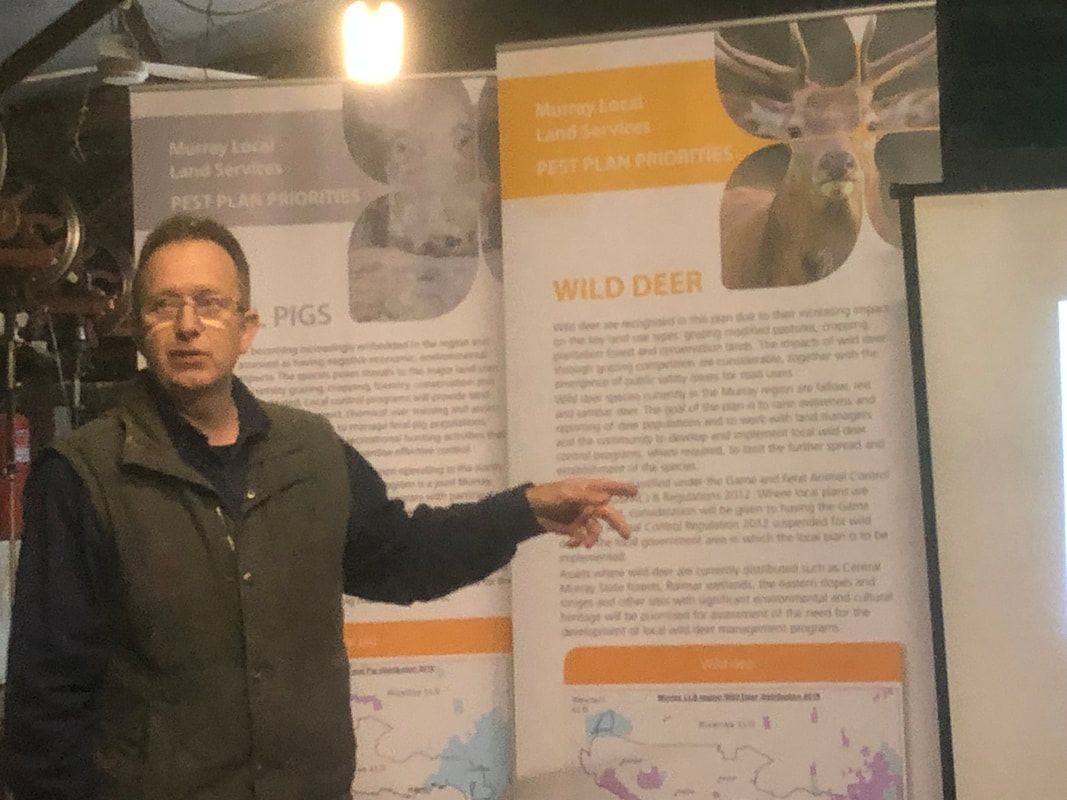
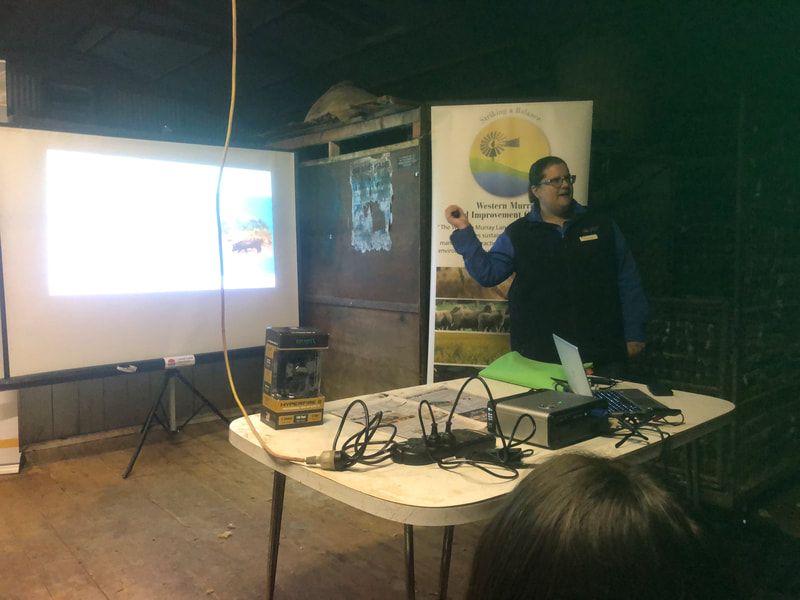
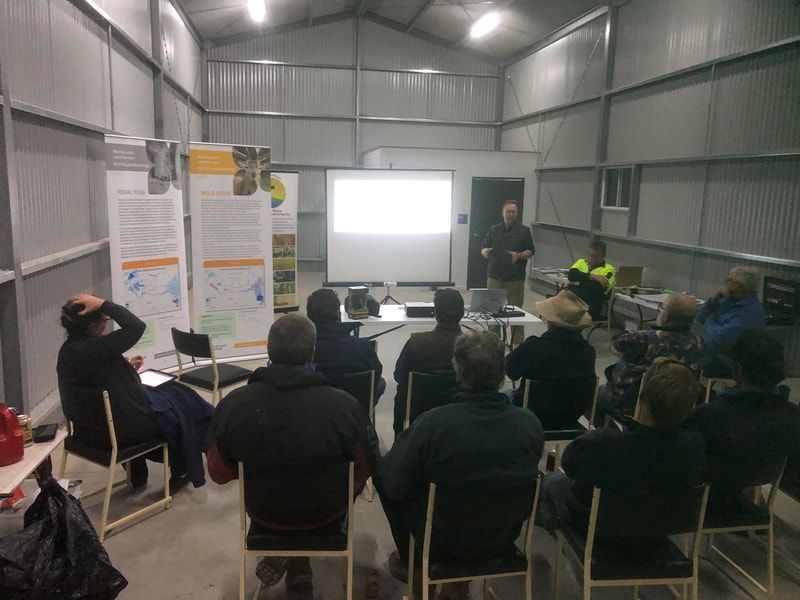
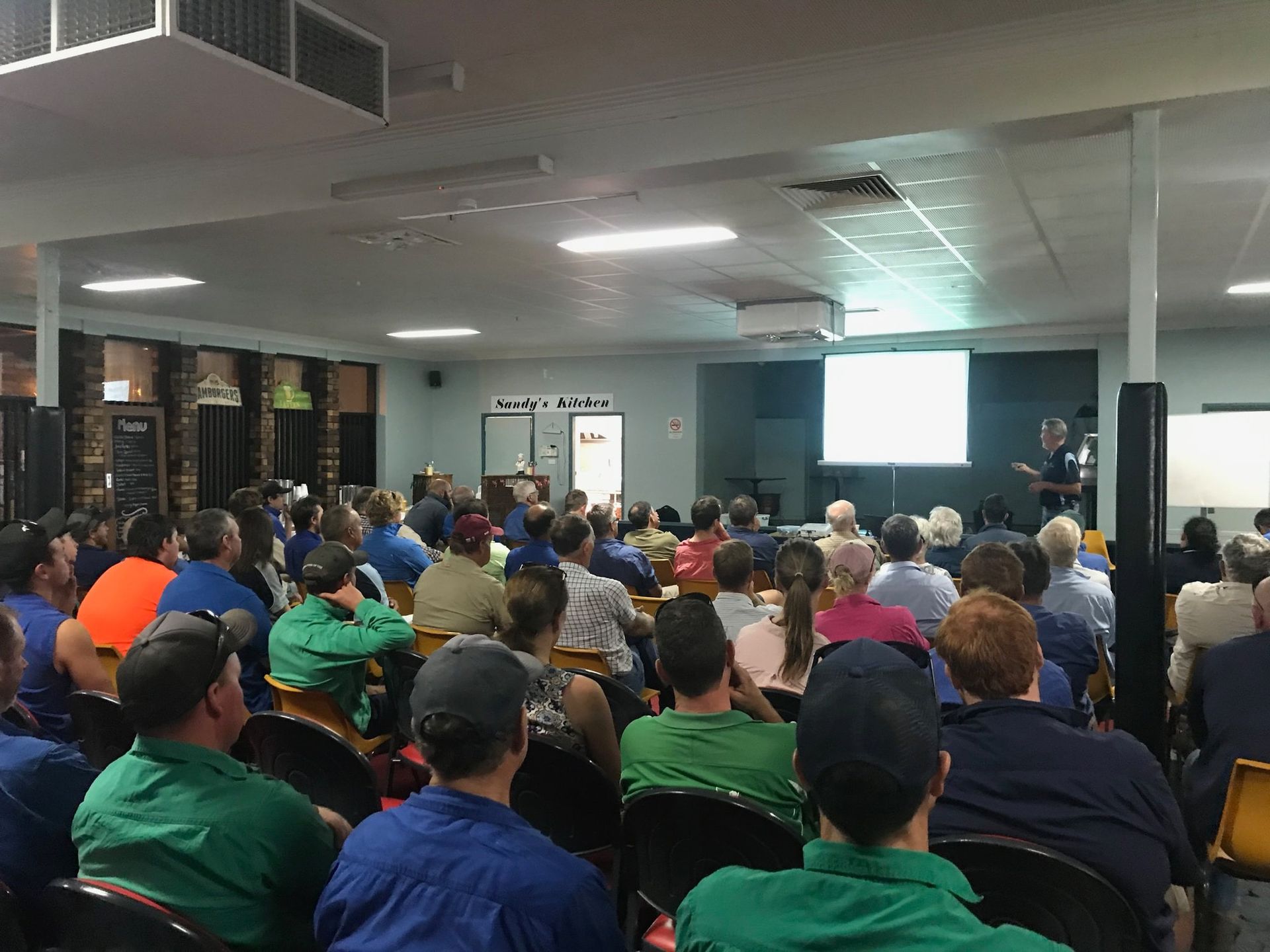
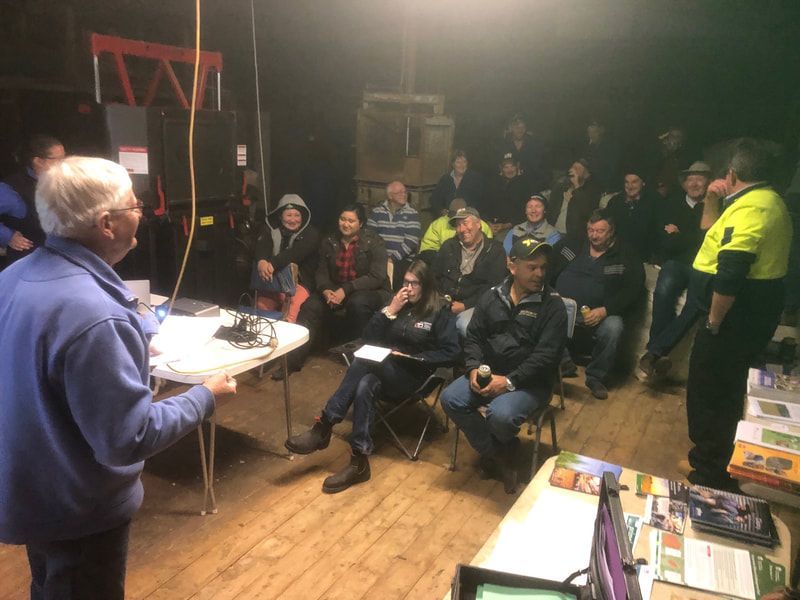
Two workshops were held in 2019 at the WoodLeigh Woolshed at Gonn and at the Dhuragoon Fire Shed on the 23rd - 24th of September. These workshops were designed as a networking opportunity between landholders, local and state government agencies and industry representatives. The two events were attended by 41 people and reached 1500 people. Target species within the Murray Regional Strategic Pest Animal Management Plan were the focus of discussion, including: Deer, Pigs, Fox Galenia, Silver Leaf Nightshade, Arrow Head and Box Thorns. 

It was identified that landholders wanted to learn more about the increasing pest population, especially with the recent media on African Swine Fever. Presentations covered: the feral pest population in State Forests and National Parks, current control measures being enacted and future plans; disease risk from deer and pigs; landholder biosecurity responsibilities; identifying, monitoring and reporting pest species using tools such as 'WeedWise' and 'Feral Scan'; and the importance of coordinated, co-operative control by working with neighbours to manage pests.
Presenters included John Nolan (Regional Pest Animal Coordinator), Scott Ison/Linda Searle (District Vet) and Stephen Battenally (Biosecurity Officer).
Attendees were particularly interested in methods of pig control using free feeding gain prior to the poison being laid to improve the hit rate. Prior to attending these workshops 54% of participants described themselves as having 'some' knowledge of invasive species management and 64% described themselves as having some confidence to undertake invasive species management. After the workshops 75% of participants felt they had 'a lot' of knowledge and 69% felt they had a lot of confidence to undertake invasive species management.
​
Please note: From September 6th 2019, a NSW Game Hunting licence is no longer required when hunting wild deer on private land. Individuals seeking to hunt deer must have permission to hunt deer from the landholder or manager as well as a current firearms licence. 


Recent Projects

October 8, 2026
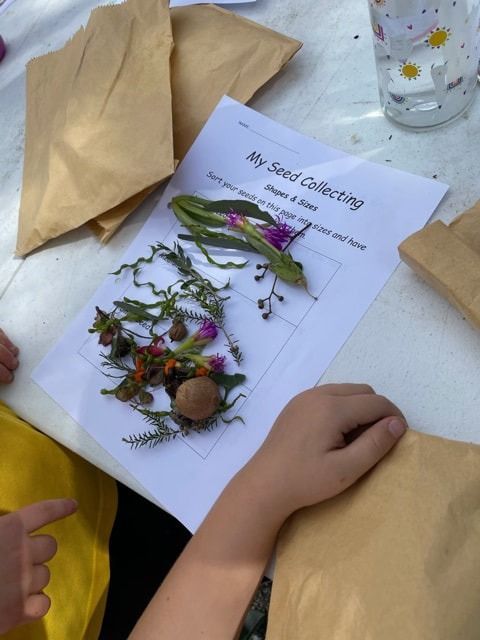
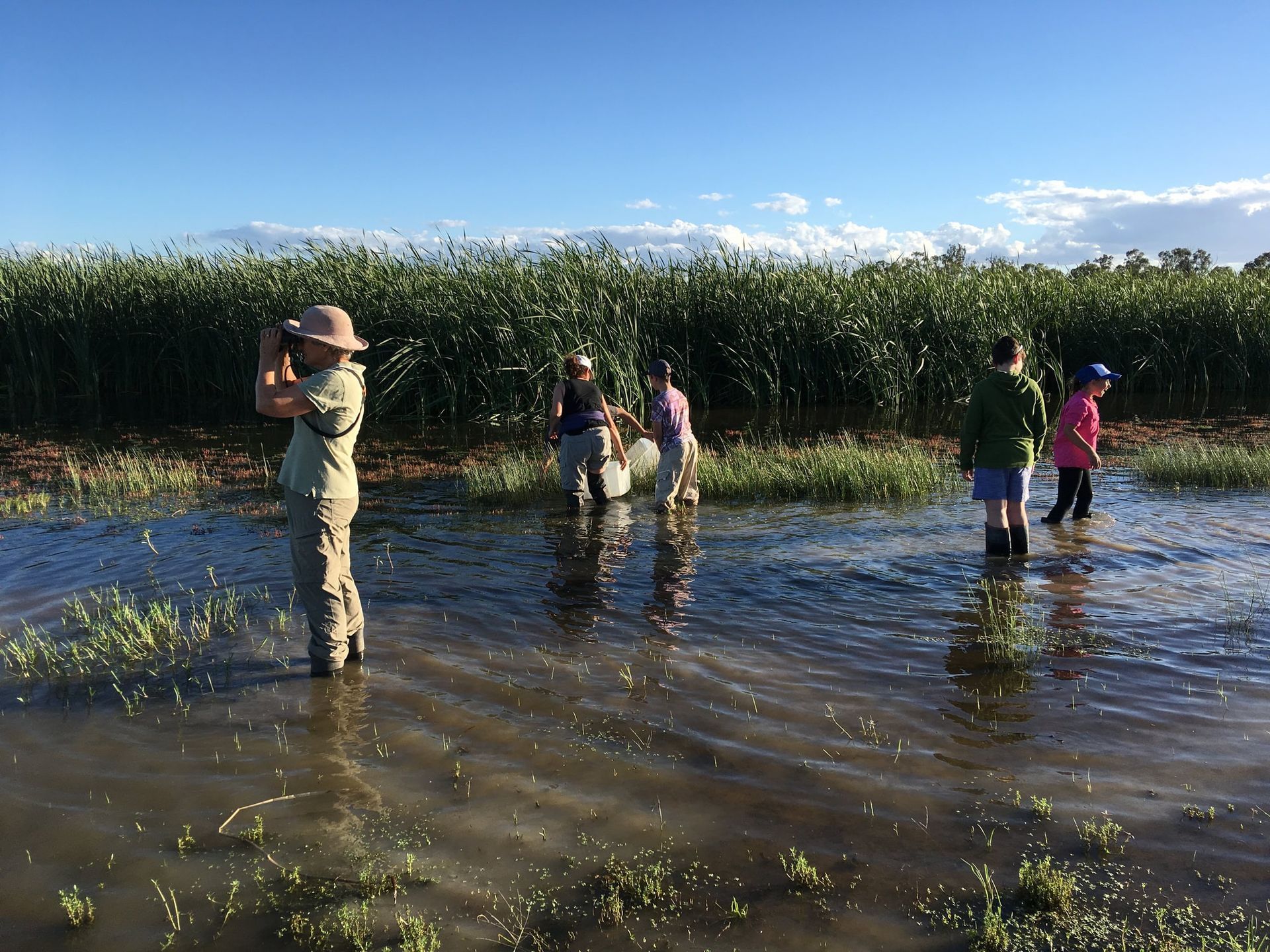
 On the 24th of October 2020, Western Murray Land Improvement Group along with Barham Landcare, held a fun and interactive workshop involving local Primary School children at Federation Reserve in Barham NSW. Two primary school classes from Barham Public School attended the workshop that saw Kindergarten on their very first out of school excursion. They were buddied up with Grade 3/4 and accompanied by 6 teachers and assistants from the school- making the total number of attendees 47. The workshop was facilitated by Barham Landcare volunteer and group treasurer Christine Dartnell and Local Landcare Coordinator (hosted by WMLIG) Stacey Waylen.
October 8, 2026
A summary of the day.
By Donna Marateo • October 8, 2026
A summary of the day.
October 8, 2026
On the 31st of January 2020, over 120 local farmers and agricultural experts attended a Feedlot Information Day held in Wakool. The crowd was a diverse geographical mix, with attendees from Lalbert, Piangil, Moulamein, Barham, Deniliquin and Wakool. As following with the 'young farmer' focus of the event, the majority (42%) of attendees were under 35, while 28% were 35-45 and 37% were 45+. The day began with a workshop at the Wakool Club focused on livestock feedlot considerations. Presenter Geoff Duddy from Sheep Solutions discussed the pro's and con's of feedlotting versus containment feeding, the cost of feed and comparison of different systems. He emphasized the importance of feeding sheep protein to build muscle, wool and encourage growth. The group finished off with an understanding of how feedlots interacted with the whole farm system. Following this presentation, district vet Linda Searle (Murray Local Land Services), educated attendees on the range of livestock diseases or health complications associated with feedlot production systems.
October 2, 2026
Want to keep up to date?
October 2, 2026
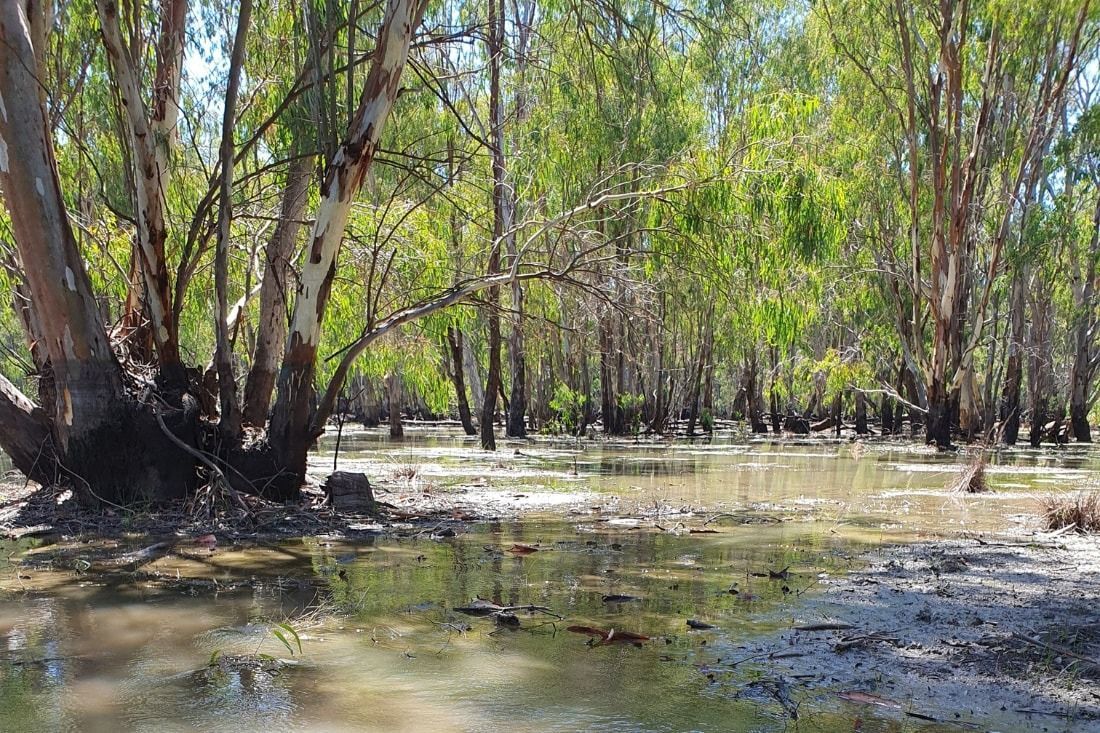
World Wetlands Day 2023
October 2, 2026
​Blackwater events cause mass fish deaths across the Murray-Darling Basin
By John Reynold Tubay • September 29, 2026
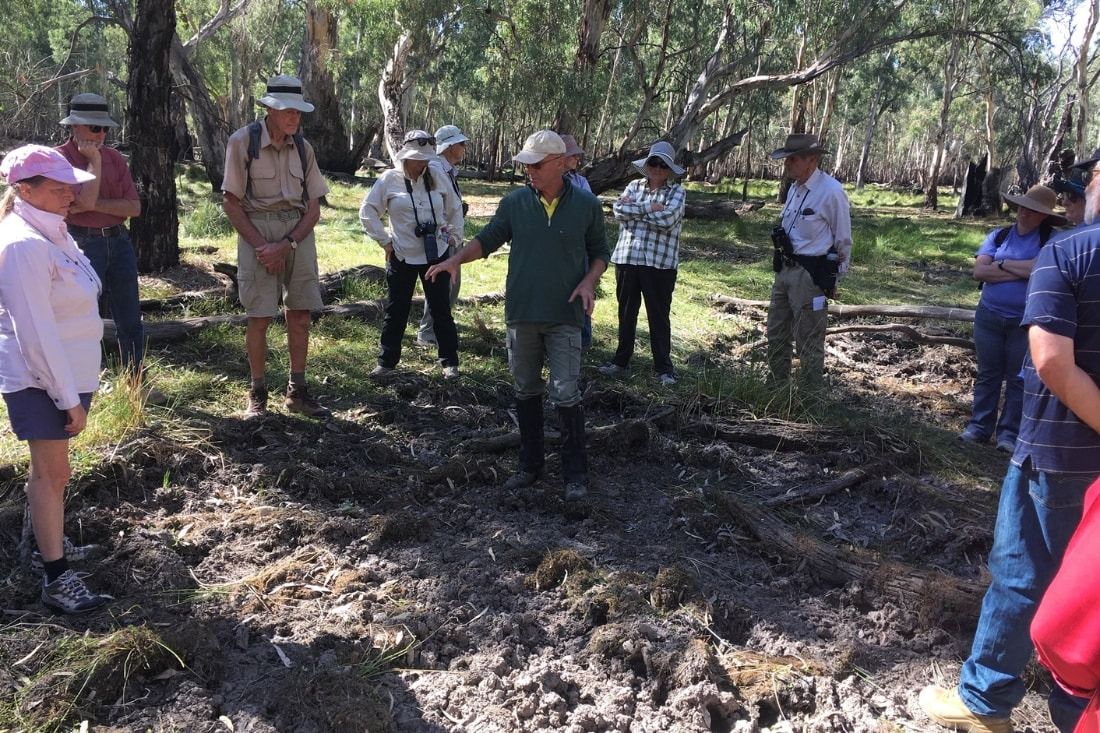
In March 2020, we organised and coordinated a tour for local producers of the Griffith, Whitton and Coleambally areas, in the north-western region of the Riverina region of New South Wales. ​ Whilst it was a challenge in COVID-regulation times, our organisers, Stacey and Amy, did a great job in selecting a line-up of some of the most impressive and inspiring businesses that have successfully innovated existing product or created new products utilising spare capacity. ​ Many of the businesses that the group visited looked at value-adding options, supply chain innovation, collaboration and diversification opportunities.
By John Reynold Tubay • September 29, 2026
Key facts