

MLFW Pollack Tour

Share this article

Key facts

Attended by 35 community members

Average sightings of 10-15 red belly black snakes per day

Waterbirds returned to the Pollack but did not breed

About this tour

Tour date: 24th February 2019

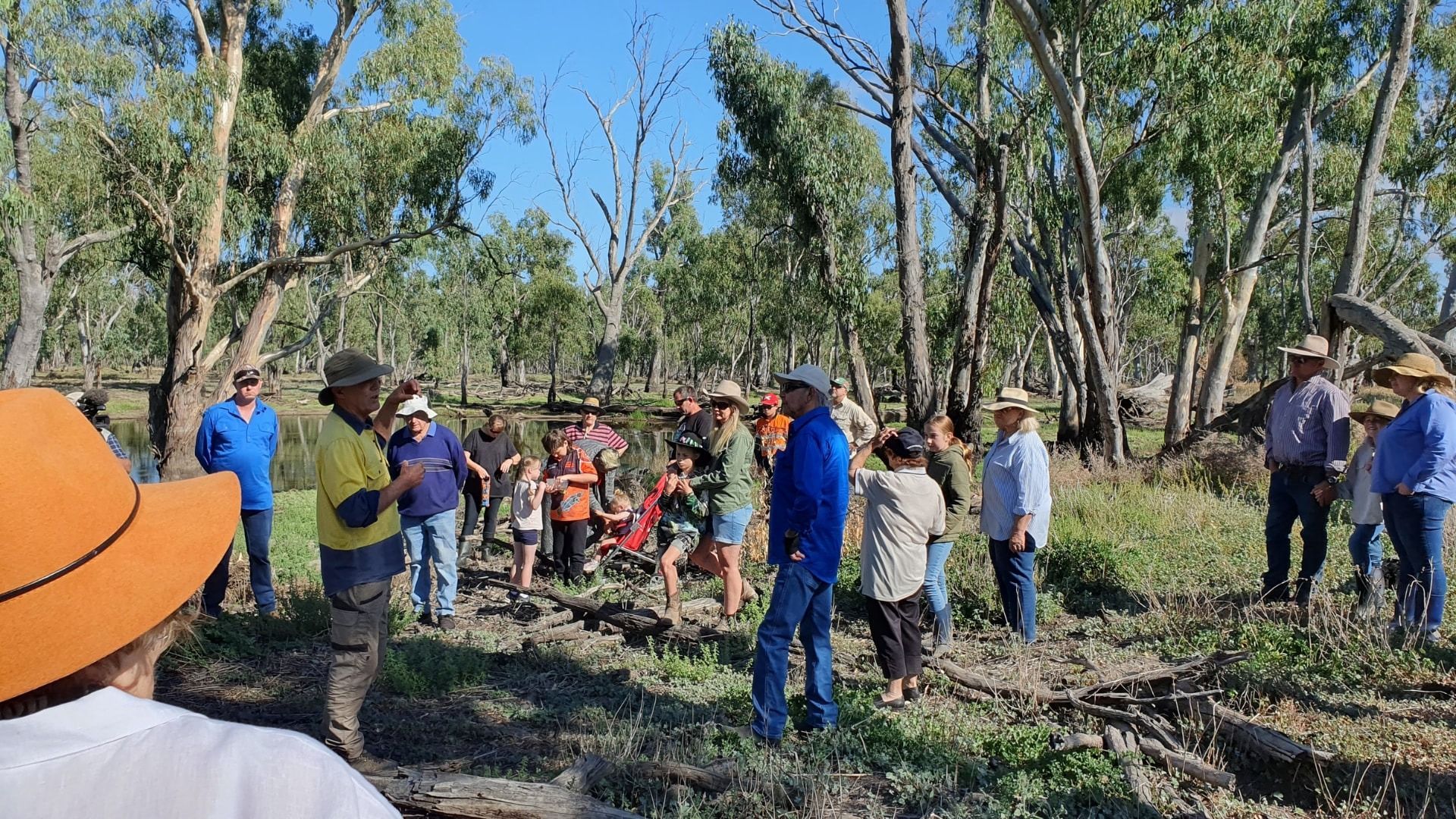
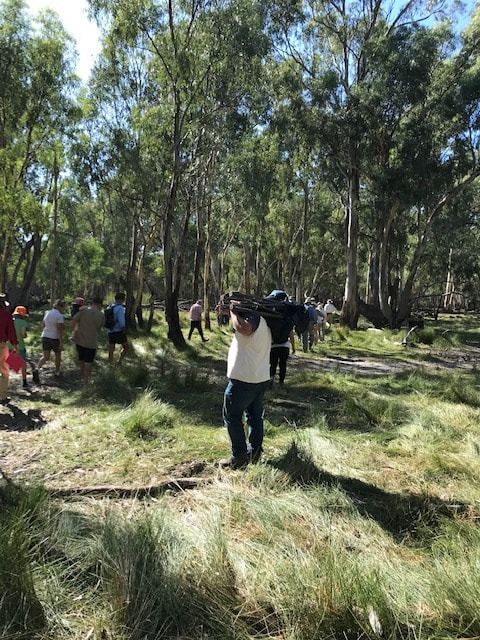
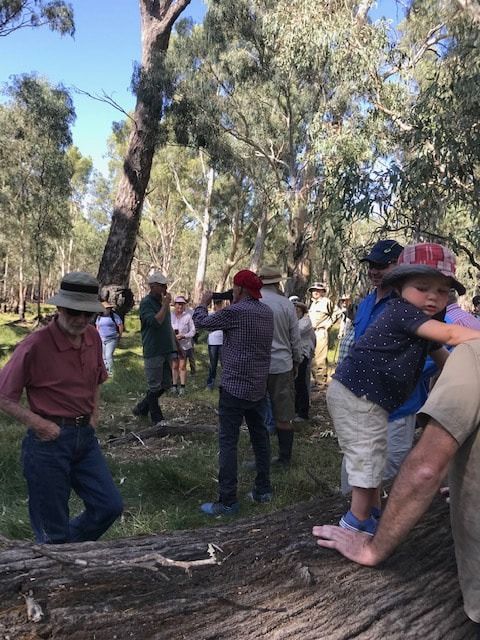
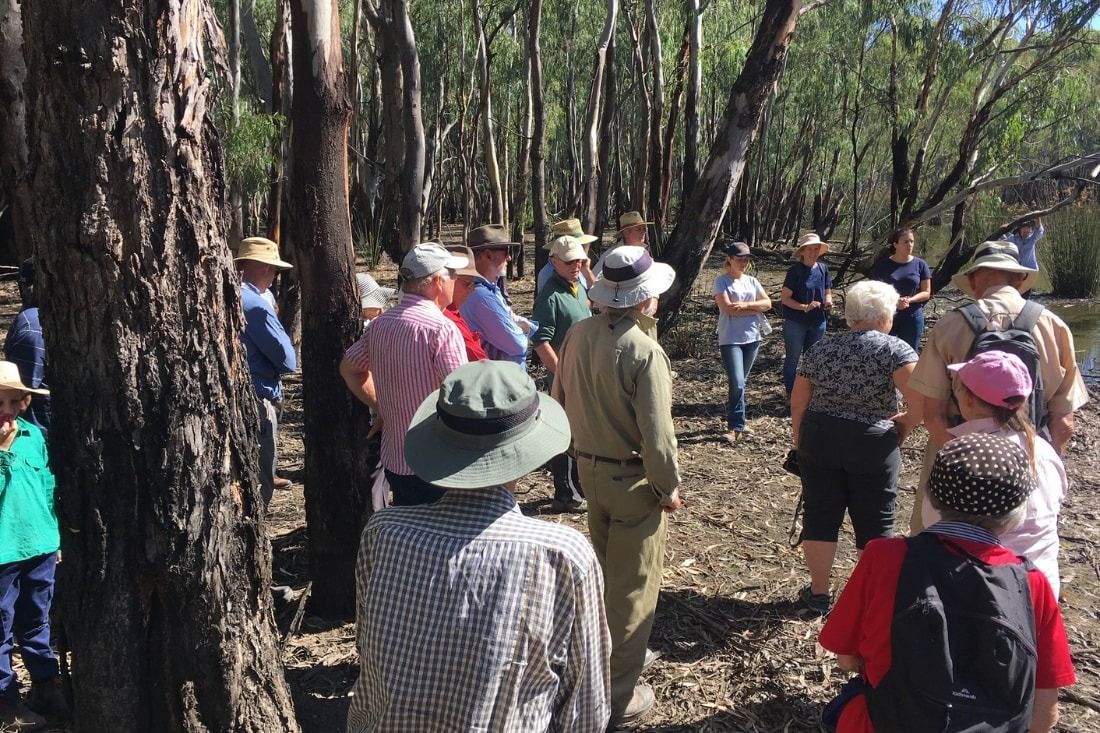
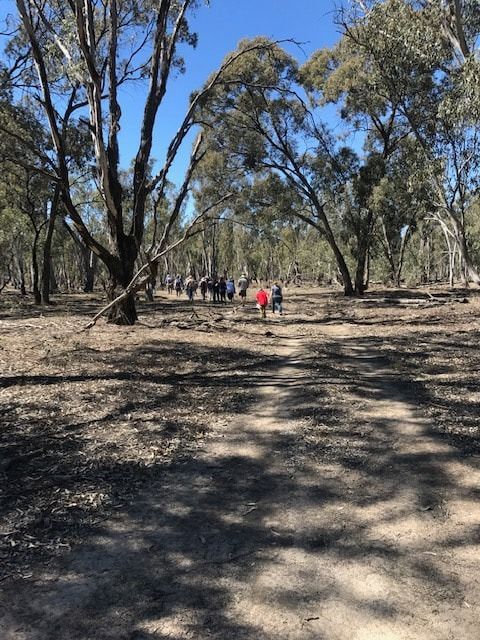
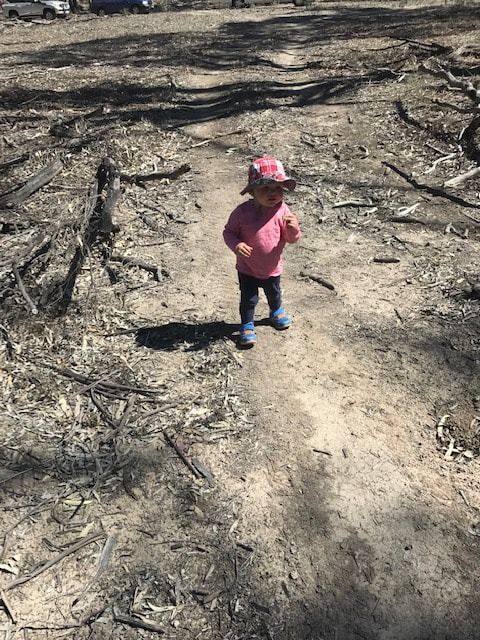
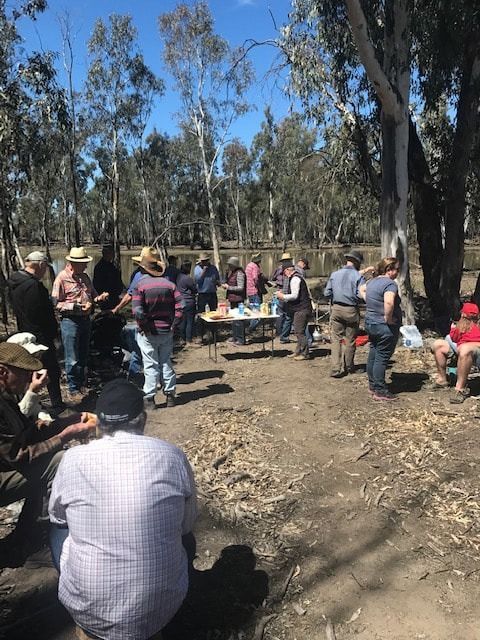
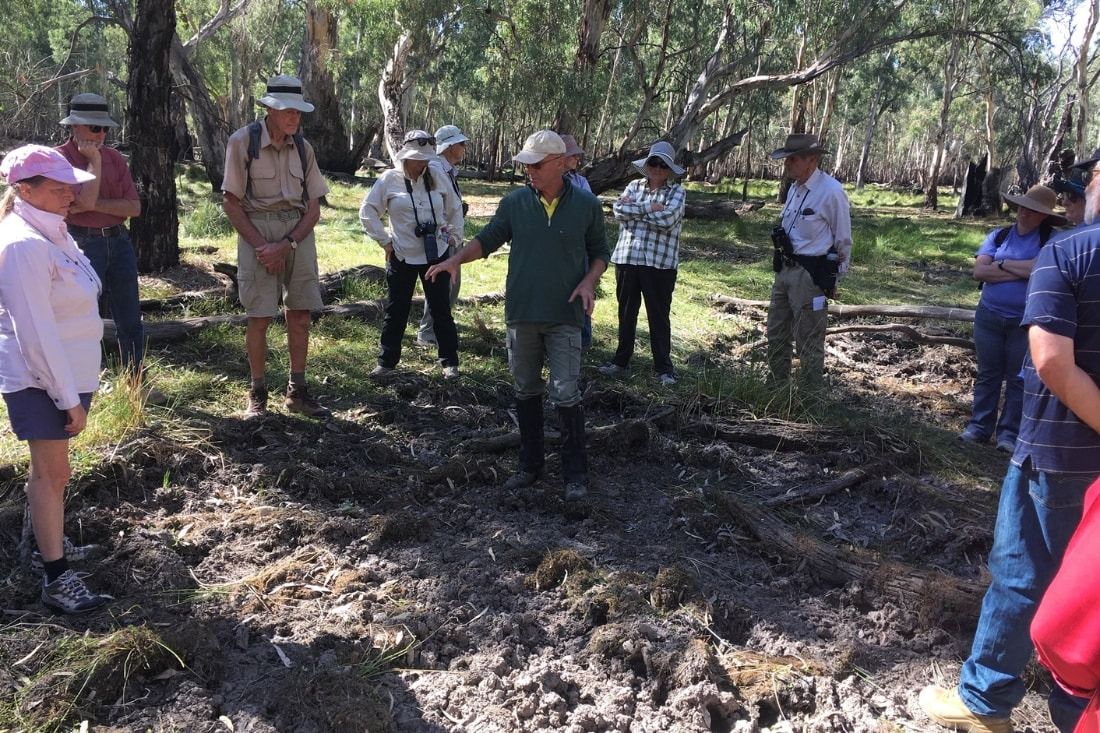
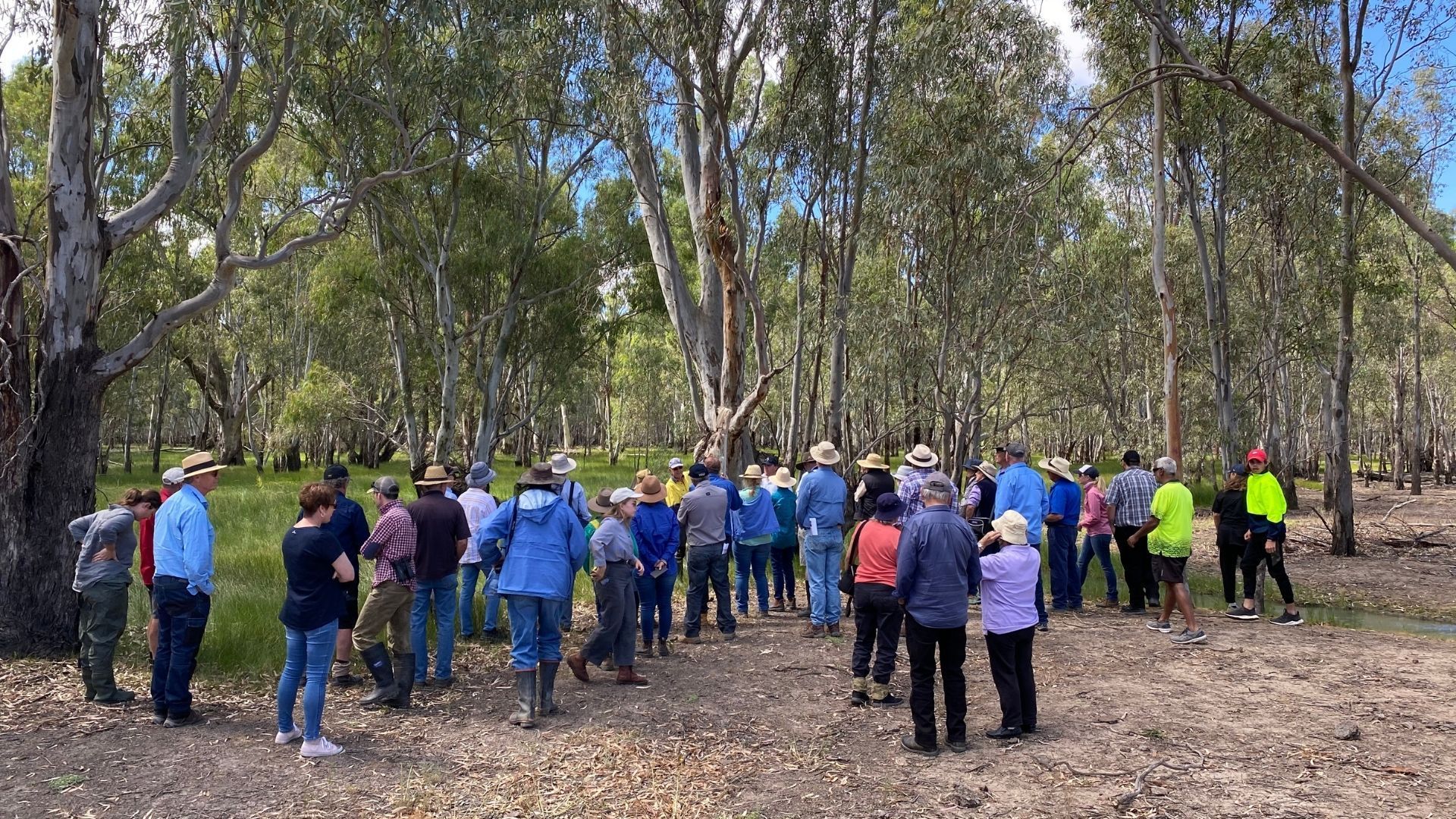
Murrakool Land for Wildlife and WMLIG held a Pollack Swamp tour for the community to view a local environmental watering program and learn about it's objectives and outcomes. Dan Hutton, the environmental consultant managing this site in conjunction with Forestry Corp NSW, led the tour. Thirty five people took the opportunity to explore parts of the reserve. 


Dan outlined that historically, the Pollack Swamp was 1.4m deep and had an impressive number of earth mounds where the traditional Barapa Barapa people lived along the water way. Carbon dating of charcoal within the mounds has dated the mounds as far back as 3000 years. The lagoon had a very active bird population with bee eaters, cormorants and even a sea eagle. 

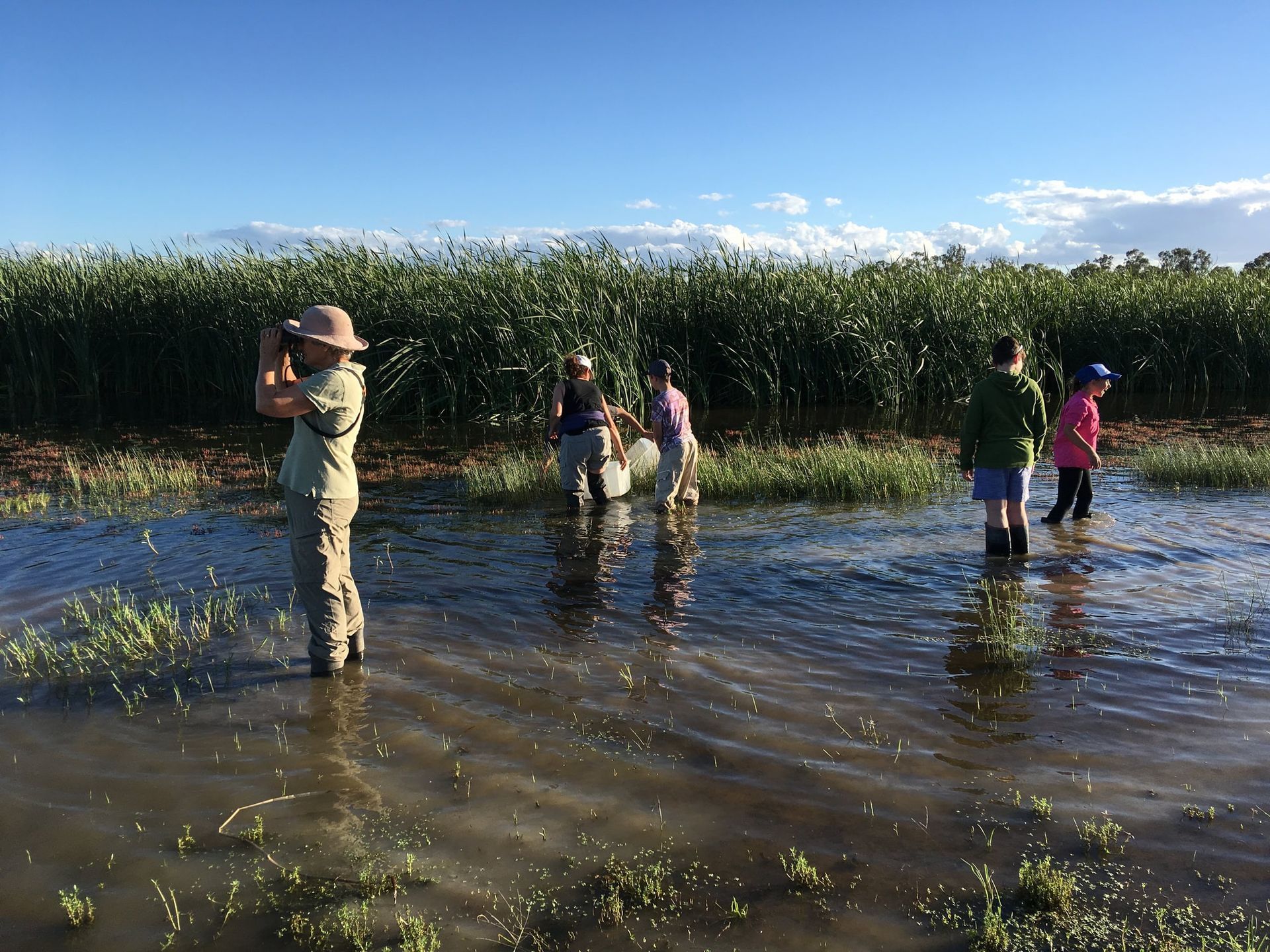
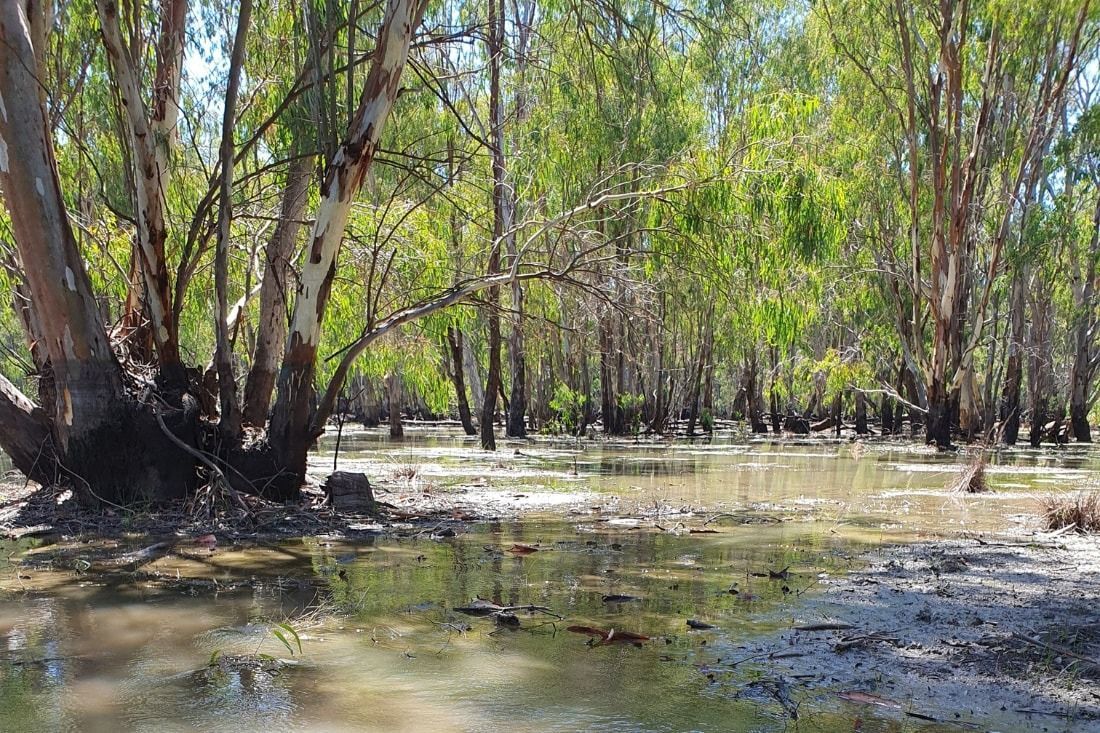
Since regulation of the Murray River, the frequency and duration of flooding within the Pollack was dramatically reduced. During natural high flows, the 220ha swamp, fills from the Barbers Creek through a small channel called the Pollack Creek. Flood waters exit the Pollack via a capillary of flood runners rejoining the Barber Creek to the north. The water flowing via the Pollack Creek would typically cover the swamp in just 3-4 days.


Under the environmental watering program, water is delivered through the Bringan Trust channel infrastructure. Flows are delivered via the pumping station on the Murray River and travel 10km through open channel to the Pollack.  In working with landholders, some of the channel constraints have been removed, enabling up to 25ML/day water delivery. The water delivery is much slower than a natural overbank event, with the last watering taking over 85 days to inundate 158ha. 

The project is a great example of how a well thought out project can deliver great environmental outcomes with the modest 2GL water use. The Pollack has long been recognised as a significant waterbird breeding site with historical breeding records of both the Eastern Great Egret Ardea modesta and the Intermediate Egret Ardea intermedia (both listed as Threatened Species in VIC) and many other species (Disher, 2000; Hutton, 2017). 

While the waterbirds did return for the watering event, they did not actually breed. Temperature and the timing of watering are thought to be factors. 


Guide Dan Hutton, spoke of average sightings of 10-15 red belly black snakes per day. He spoke of some of the challenges in managing the site with feral animals, and even the overpopulated red gum saplings which historically would have been drowned out with more frequent flood events. One option being considered to control the feral animals is to fence critical parts of the Pollack, although the fence will take some time as it has to limit feral animal traffic but allow natives such as Echidnas to pass through. 

Project partners

This event was a joint WMLIG & Murrakool Land for Wildlife initiative, made possible through funding from the Murray Local Land Services Catchment Action NSW Program and Murrakool Land for Wildlife.

​Thank you to the landholders who allowed the group access to the Pollack via their property.

Recent Projects

October 8, 2026
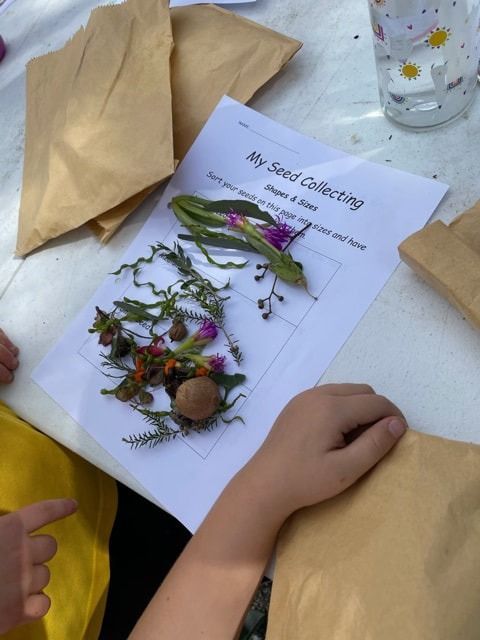
 On the 24th of October 2020, Western Murray Land Improvement Group along with Barham Landcare, held a fun and interactive workshop involving local Primary School children at Federation Reserve in Barham NSW. Two primary school classes from Barham Public School attended the workshop that saw Kindergarten on their very first out of school excursion. They were buddied up with Grade 3/4 and accompanied by 6 teachers and assistants from the school- making the total number of attendees 47. The workshop was facilitated by Barham Landcare volunteer and group treasurer Christine Dartnell and Local Landcare Coordinator (hosted by WMLIG) Stacey Waylen.
October 8, 2026
A summary of the day.
By Donna Marateo • October 8, 2026
A summary of the day.
October 8, 2026
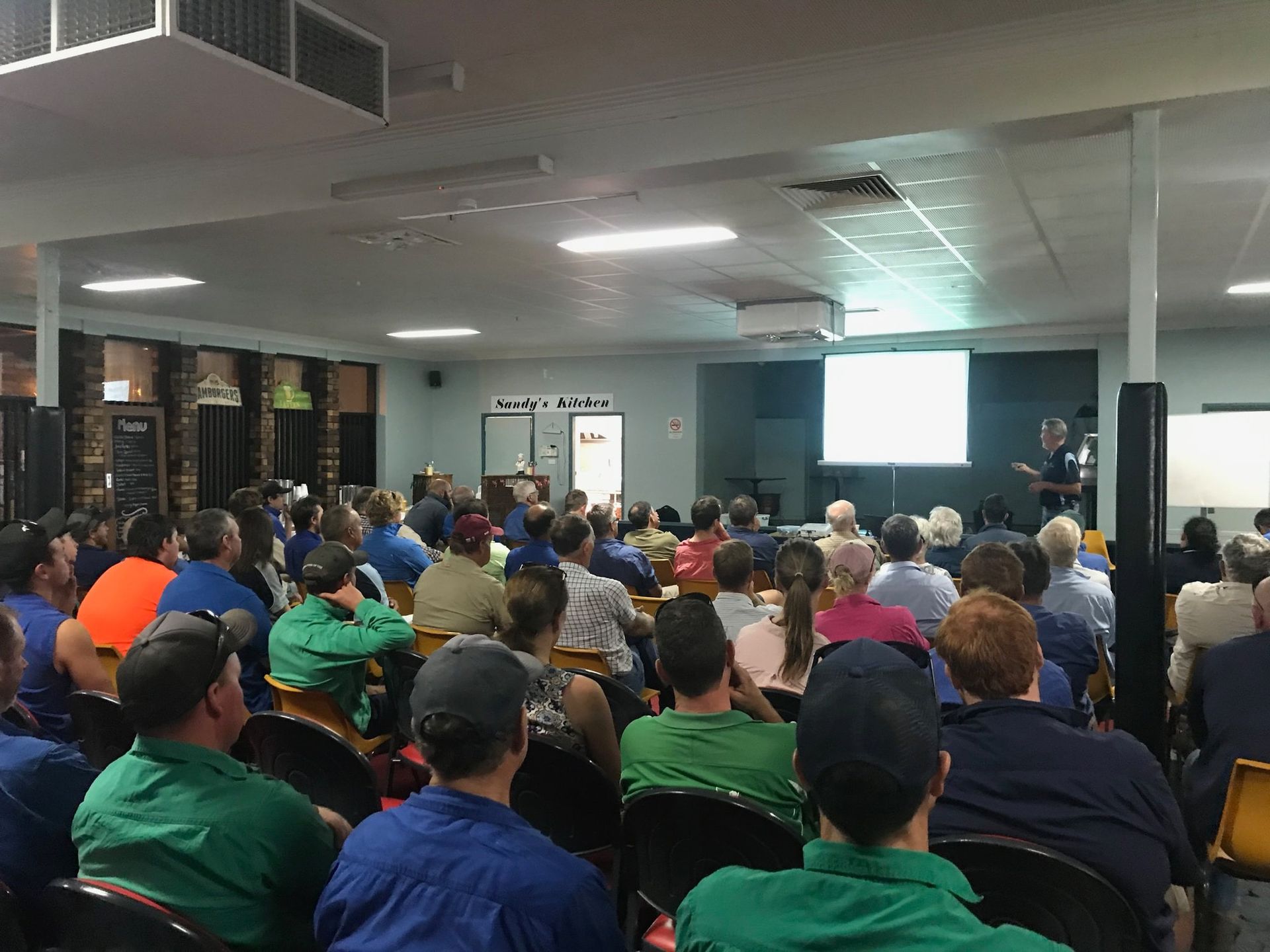
On the 31st of January 2020, over 120 local farmers and agricultural experts attended a Feedlot Information Day held in Wakool. The crowd was a diverse geographical mix, with attendees from Lalbert, Piangil, Moulamein, Barham, Deniliquin and Wakool. As following with the 'young farmer' focus of the event, the majority (42%) of attendees were under 35, while 28% were 35-45 and 37% were 45+. The day began with a workshop at the Wakool Club focused on livestock feedlot considerations. Presenter Geoff Duddy from Sheep Solutions discussed the pro's and con's of feedlotting versus containment feeding, the cost of feed and comparison of different systems. He emphasized the importance of feeding sheep protein to build muscle, wool and encourage growth. The group finished off with an understanding of how feedlots interacted with the whole farm system. Following this presentation, district vet Linda Searle (Murray Local Land Services), educated attendees on the range of livestock diseases or health complications associated with feedlot production systems.
October 2, 2026
Want to keep up to date?
October 2, 2026
World Wetlands Day 2023
October 2, 2026
​Blackwater events cause mass fish deaths across the Murray-Darling Basin
By John Reynold Tubay • September 29, 2026
In March 2020, we organised and coordinated a tour for local producers of the Griffith, Whitton and Coleambally areas, in the north-western region of the Riverina region of New South Wales. ​ Whilst it was a challenge in COVID-regulation times, our organisers, Stacey and Amy, did a great job in selecting a line-up of some of the most impressive and inspiring businesses that have successfully innovated existing product or created new products utilising spare capacity. ​ Many of the businesses that the group visited looked at value-adding options, supply chain innovation, collaboration and diversification opportunities.
By John Reynold Tubay • September 29, 2026
In December 2020, we hosted a tour of the Pollack Swamp and Smokehouse Lagoon in the Koondrook Perricoota (KP) Forest. The tour attracted over 45 people from Barham and surrounds, some making the trip from as far as Deniliquin, Moama and Kerang. The tour included three stops: the Pollack Swamp Inlet, the Pollack Lagoon, and lastly the KP Smokehouse Lagoon. ​The purpose of the tour was to demonstrate the positive effects that managed environmental watering has had in the Pollack, to raise awareness of the current poor condition of the broader Koondrook KP Forest, and to lead a bottom-up community-led approach for a shared vision of the forest.