



Grain Storage and Handling

Share this article

This is a subtitle for your new post

Project Summary


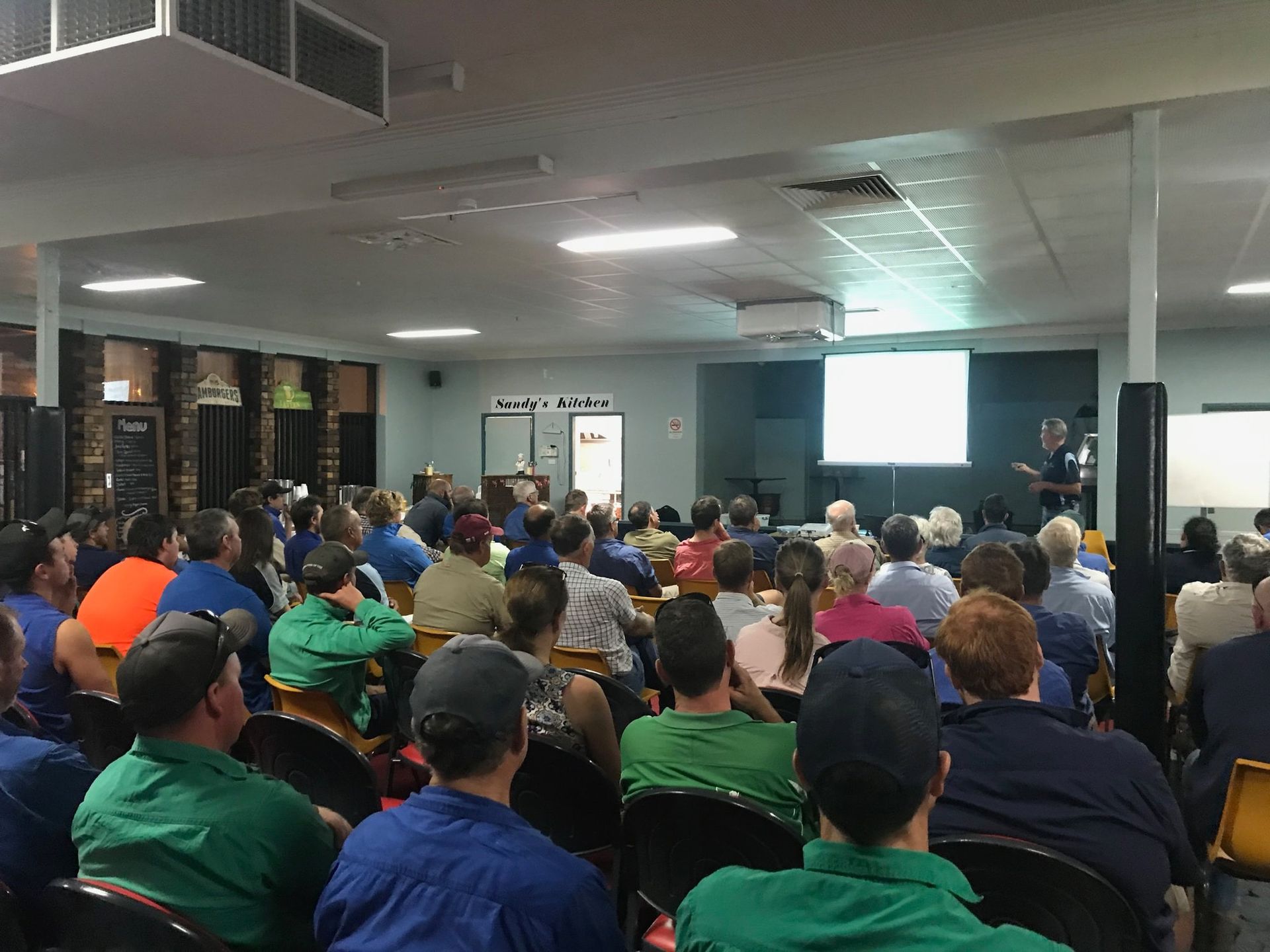
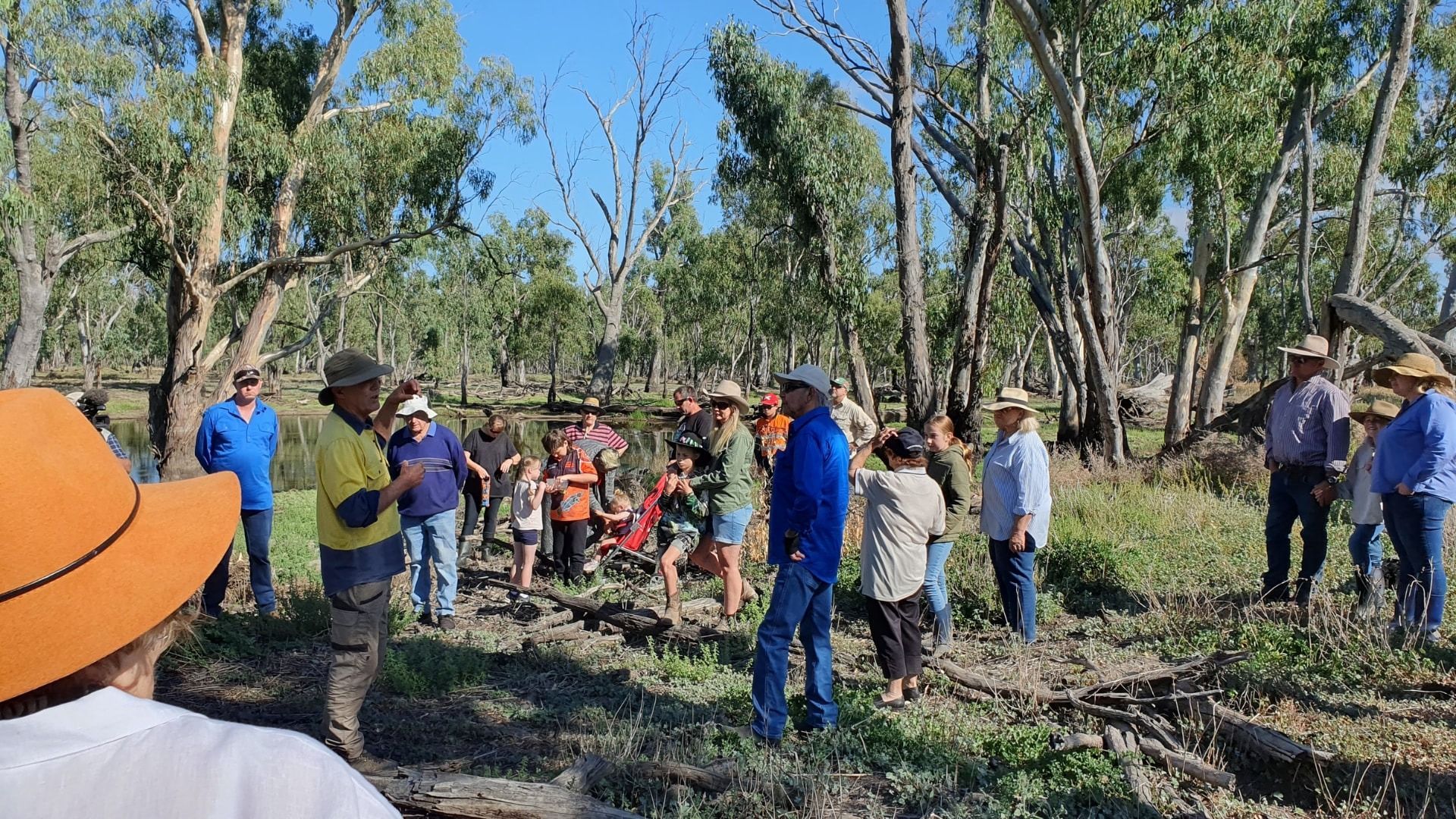
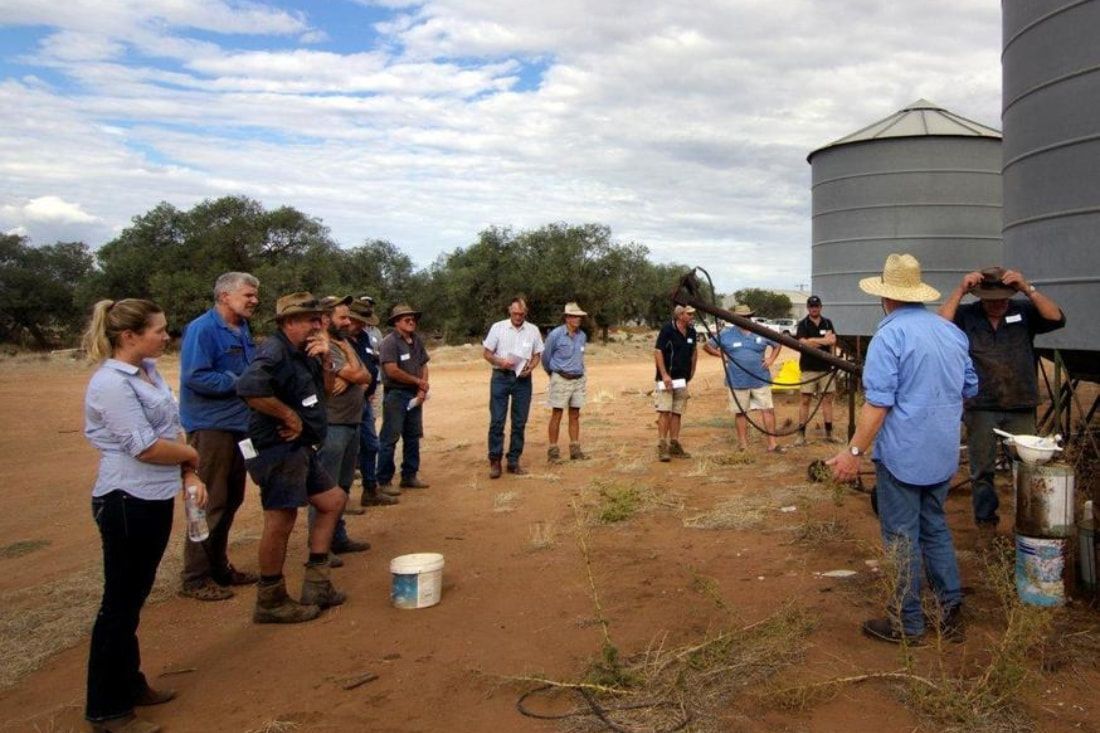
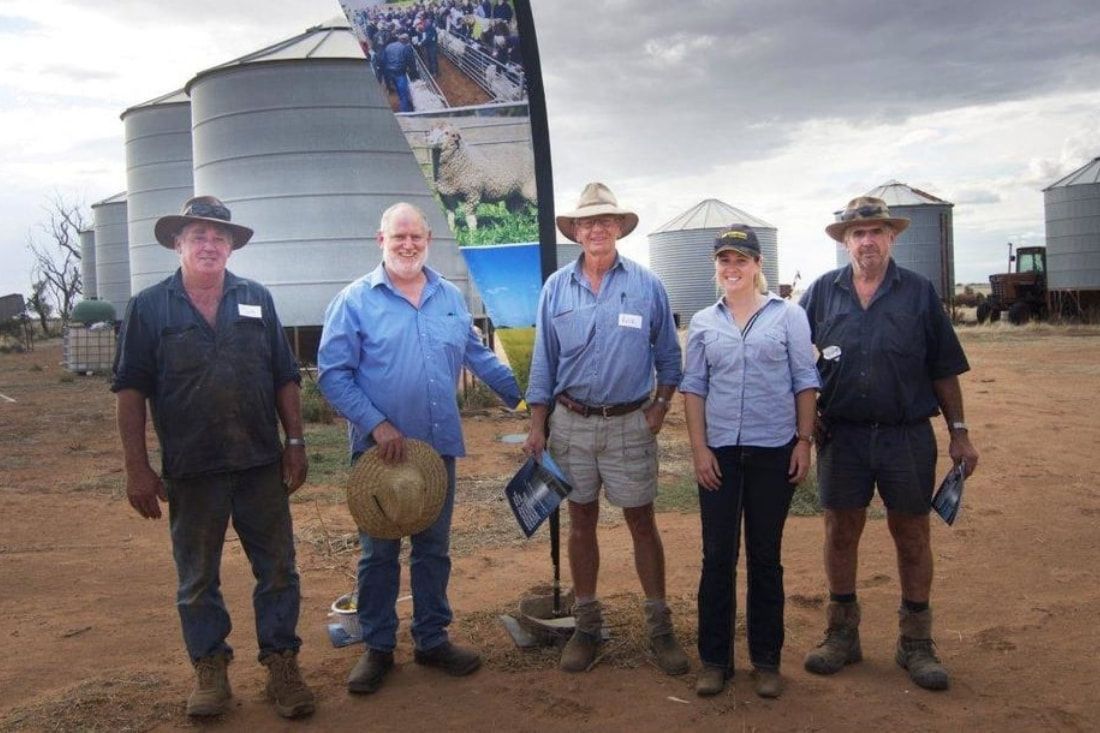
On 20-21st March 2017 29 people attended On-Farm Grain Storage and Handling workshops in the regions of Stony Crossing and Dhuragoon, NSW. 

​These workshops were hosted participants' farms so that presenter, Peter Botta, could demonstrate the effectiveness and use of different grain storage systems and equipment.

​Peter allowed an interactive format for the day, encouraging participants to drive the content of his talk. Producers were able to discuss their storage experiences and weigh up the pros and cons of each grain storage system.


29 workshop attendees 

80% of the Australian grain treated with phosphine gas therefore critically important that growers implement best practice

​Two grain protein and moisture tester options presented

Preventative treatment the best way to mitigate risk


New Paragraph

The Impact   


Peter covered topics such as:

  • Principles of grain storage – insect identification, the ecology of insects, grain hygiene
  • Pros and cons of different grain storage options such as silos vs grain bags and cost of different systems
  • Grain storage treatments and their use - chemical options, managing resistance, regulatory requirements and OH&S implications.
  • Changes in grain storage and future market needs – food safety, pesticide residue free grain, meeting market needs
  • Chemical and non-chemical treatment options
  • Aerating grain for cooling and drying
  • Pressure testing silos


The Solution


Peter's key point was that “with more than 80% of the Australian grain treated with phosphine gas, the nation’s grains industry is highly reliant on the effectiveness of this fumigant. It is therefore critically important that growers implement best practice when storing grain.” His recommendation for best practice management was to only fumigate in pressure sealed silos and utilise dryacide as a preventative treatment to reduce risk developing of insect resistance to phosphine gas.

Dion Costigan (Link Brokering) also presented on the latest in grain protein and moisture testers. He showcased 2 products which were commercially available to farmers. The first was a grain protein indicator, which can assist in decision making and product consistency by allowing grain of similar characteristics to be stored together, potentially increasing overall commodity value. The second product was a grain moisture indicator to ascertain whether the sample is appropriate for storage conditions. Grain which is too high in moisture can release heat and create a humid environment in a silo, encouraging pest infestation and other grain issues such as mould. 


Recent Projects

October 8, 2026
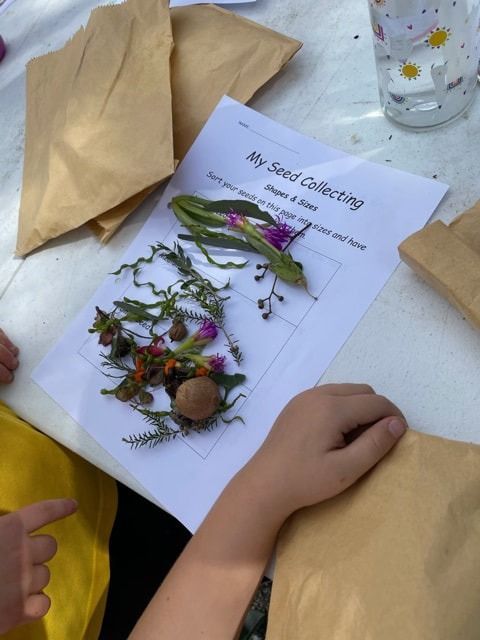
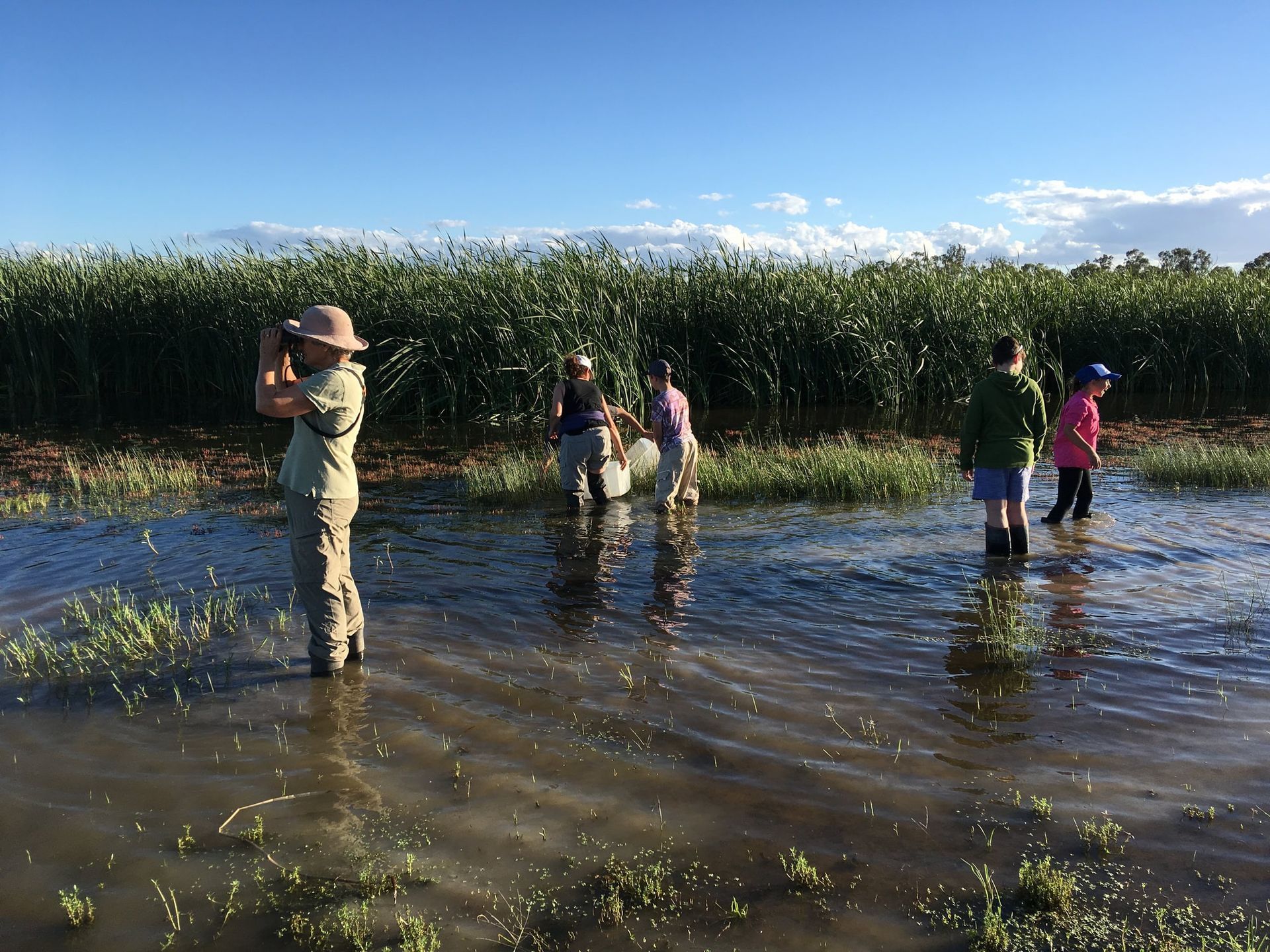
 On the 24th of October 2020, Western Murray Land Improvement Group along with Barham Landcare, held a fun and interactive workshop involving local Primary School children at Federation Reserve in Barham NSW. Two primary school classes from Barham Public School attended the workshop that saw Kindergarten on their very first out of school excursion. They were buddied up with Grade 3/4 and accompanied by 6 teachers and assistants from the school- making the total number of attendees 47. The workshop was facilitated by Barham Landcare volunteer and group treasurer Christine Dartnell and Local Landcare Coordinator (hosted by WMLIG) Stacey Waylen.
October 8, 2026
A summary of the day.
By Donna Marateo • October 8, 2026
A summary of the day.
October 8, 2026
On the 31st of January 2020, over 120 local farmers and agricultural experts attended a Feedlot Information Day held in Wakool. The crowd was a diverse geographical mix, with attendees from Lalbert, Piangil, Moulamein, Barham, Deniliquin and Wakool. As following with the 'young farmer' focus of the event, the majority (42%) of attendees were under 35, while 28% were 35-45 and 37% were 45+. The day began with a workshop at the Wakool Club focused on livestock feedlot considerations. Presenter Geoff Duddy from Sheep Solutions discussed the pro's and con's of feedlotting versus containment feeding, the cost of feed and comparison of different systems. He emphasized the importance of feeding sheep protein to build muscle, wool and encourage growth. The group finished off with an understanding of how feedlots interacted with the whole farm system. Following this presentation, district vet Linda Searle (Murray Local Land Services), educated attendees on the range of livestock diseases or health complications associated with feedlot production systems.
October 2, 2026
Want to keep up to date?
October 2, 2026
World Wetlands Day 2023
October 2, 2026
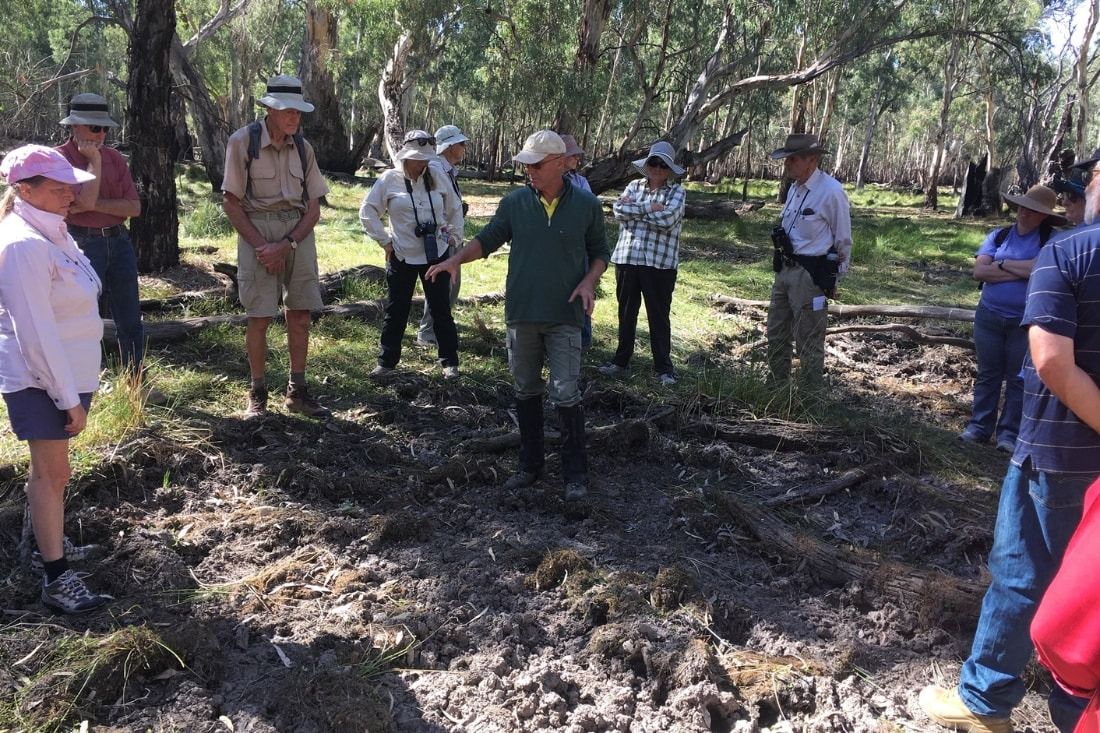
​Blackwater events cause mass fish deaths across the Murray-Darling Basin
By John Reynold Tubay • September 29, 2026
In March 2020, we organised and coordinated a tour for local producers of the Griffith, Whitton and Coleambally areas, in the north-western region of the Riverina region of New South Wales. ​ Whilst it was a challenge in COVID-regulation times, our organisers, Stacey and Amy, did a great job in selecting a line-up of some of the most impressive and inspiring businesses that have successfully innovated existing product or created new products utilising spare capacity. ​ Many of the businesses that the group visited looked at value-adding options, supply chain innovation, collaboration and diversification opportunities.
By John Reynold Tubay • September 29, 2026
Key facts