The Living Murray

Share this article

About The Living Murray Program

The Living Murray (TLM) is one of the most significant river restoration programs in the country. TLM commenced in 2002, following scientific and community concerns the ecological health of the Murray was in serious decline. It is a joint initiative of the Commonwealth government and state governments of NSW, Victoria, ACT, and South Australia, coordinated by the Murray-Darling Basin Authority (MDBA).

The Living Murray focuses on six selected icon sites:

  • Barmah-Millewa Forest
  • Koondrook-Perricoota-Gunbower Forests
  • Hattah Lakes
  • Chowilla Floodplain and Lindsay-Wallpolla Islands
  • The Lower Lakes, Coorong and Murray Mouth
  • River Murray Channel

Western Murray Land Improvement Group are involved with the Koondrook-Perricoota Forest Icon Site. The icon site manager of the Koondrook-Perricoota Forest is Forestry Corporation of NSW (note Gunbower is managed as a discrete site by North Central CMA).

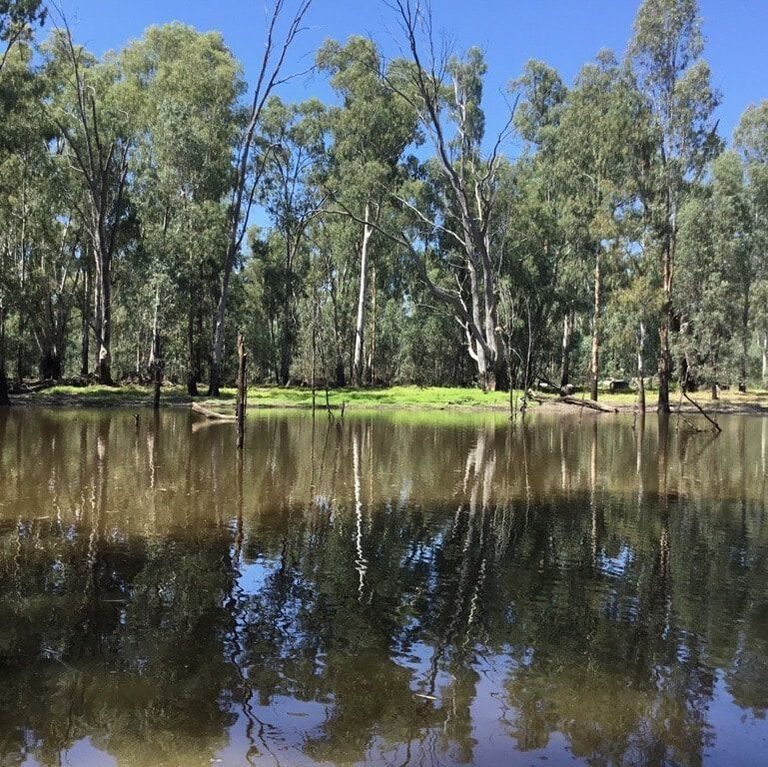
​The MDBA describes the icon sites as culturally, socially, and ecologically significant, containing high conservation floodplains, wetlands, and forests. Each of the icon sites has distinctive and unique characteristics and most are also recognised under the Ramsar Convention on Wetlands and other international agreements. The TLM icon sites were the pilot project designed specifically to find a pathway for planning, policy, legislation, consultation, construction, and operations for other similar projects that have followed.

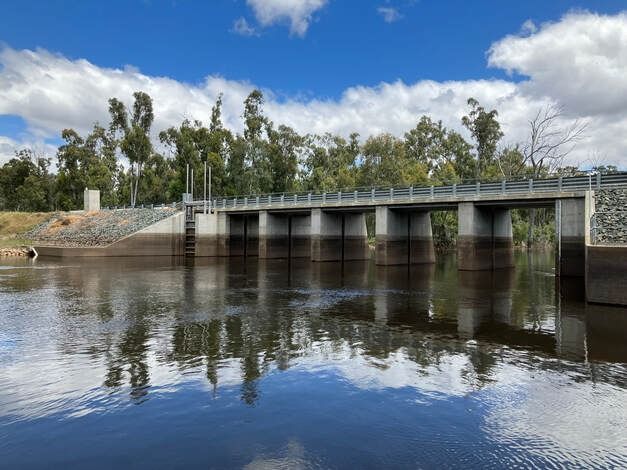
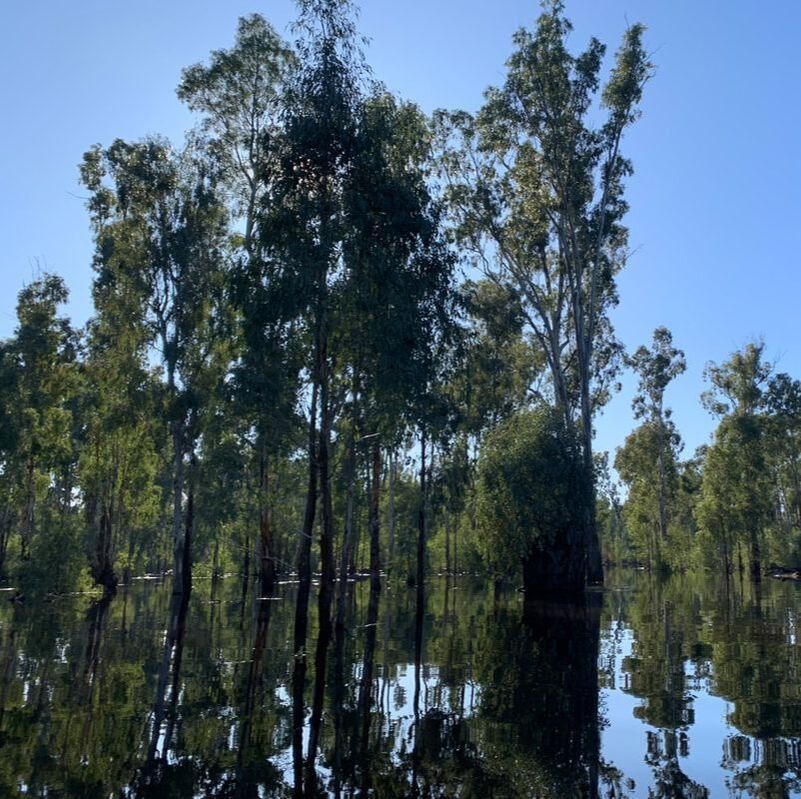
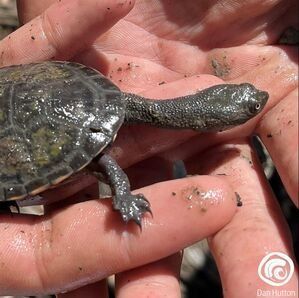
Key to restoring the ecological health of the icon sites was to reinstate more frequent flooding through the delivery of environmental water flows. The construction of infrastructure such as delivery channels and regulators, as well as native fish and turtle passageways, allows for efficient, targeted, managed water delivery. Restocking and revegetation activities are another important piece of the puzzle.

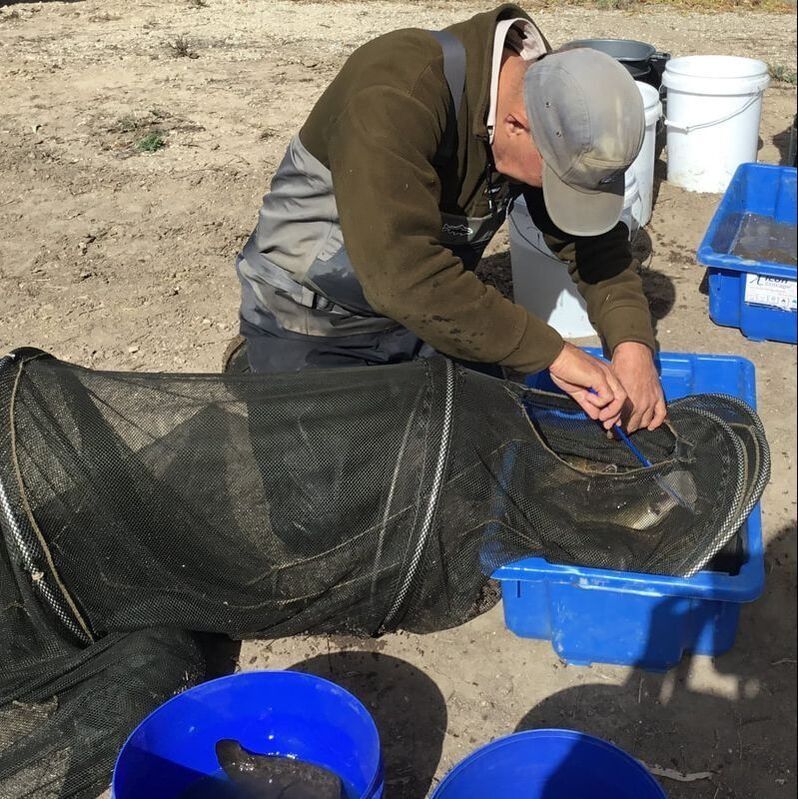
Monitoring fish, bird and vegetation environmental outcomes, Indigenous partnerships, and involving the community are also vital to show change over time/validate the outcomes of environmental water use.

Our Role

Our role in the Living Murray is to:


  • Assist Forestry Corporation to engage and communicate with stakeholders
  • Facilitation and administration of stakeholder reference groups for consistent engagement in the delivery of environmental watering events
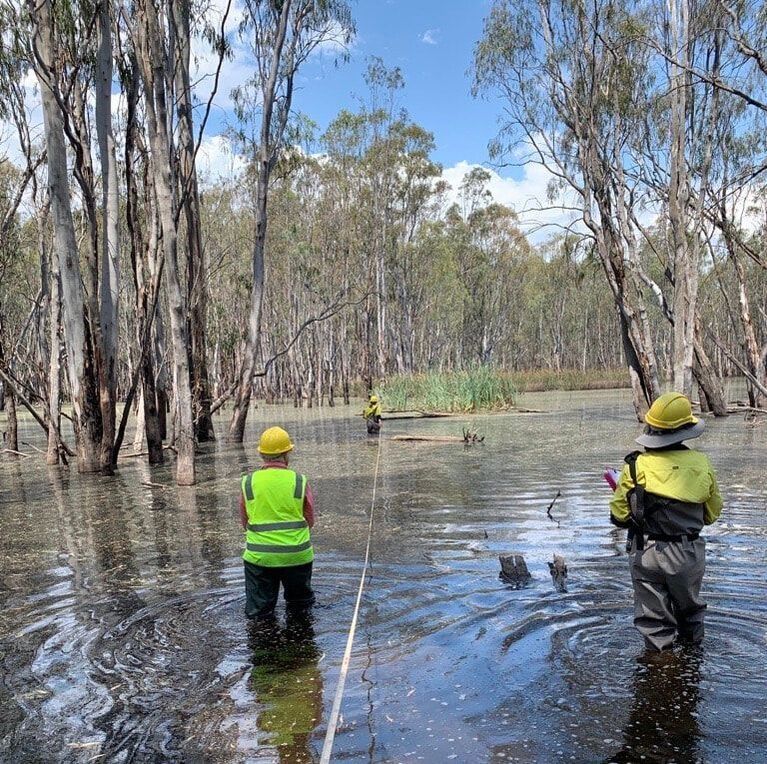
  • Complete field surveys and assessments for intervention and condition monitoring for the TLM

The Community

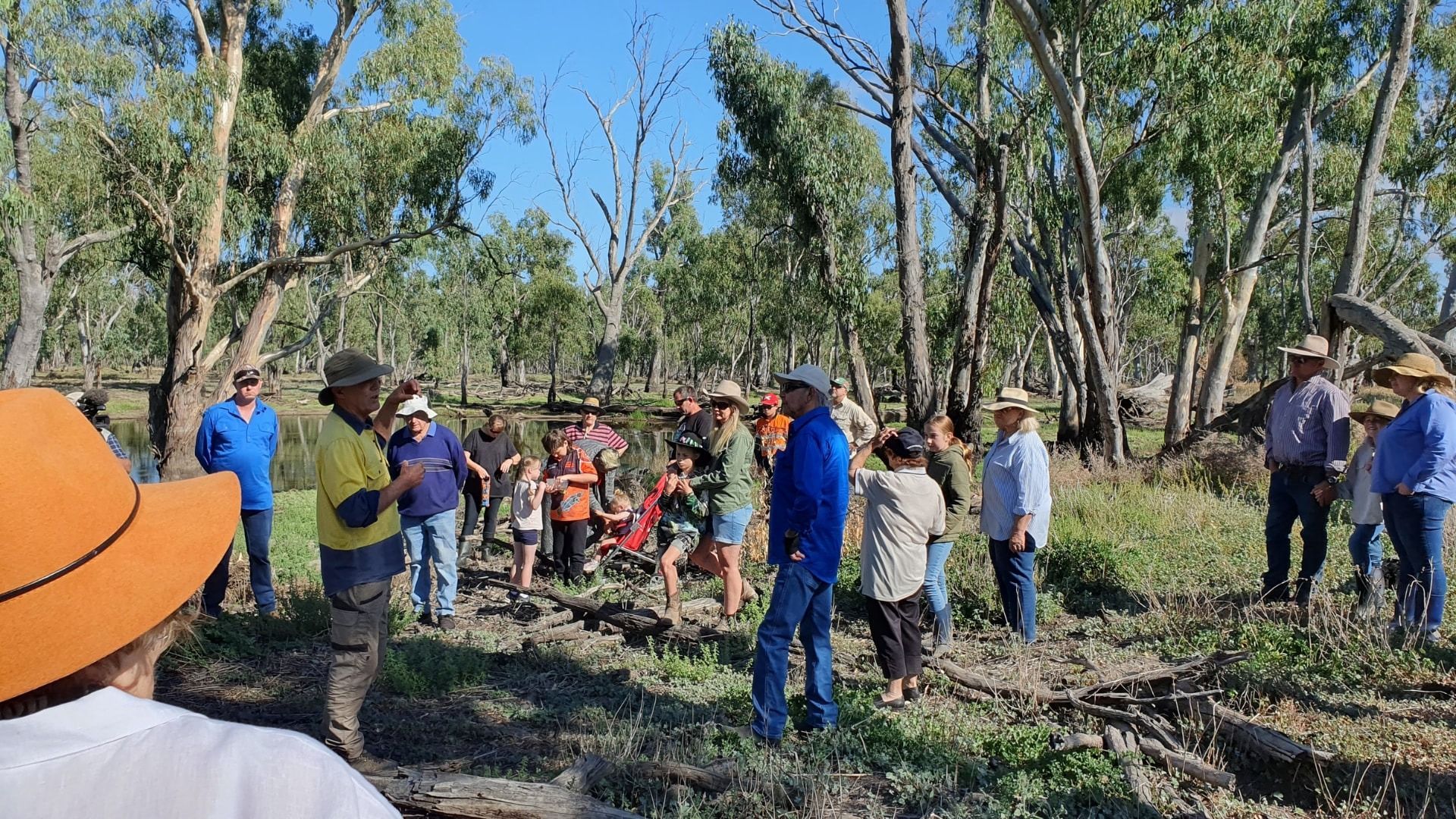
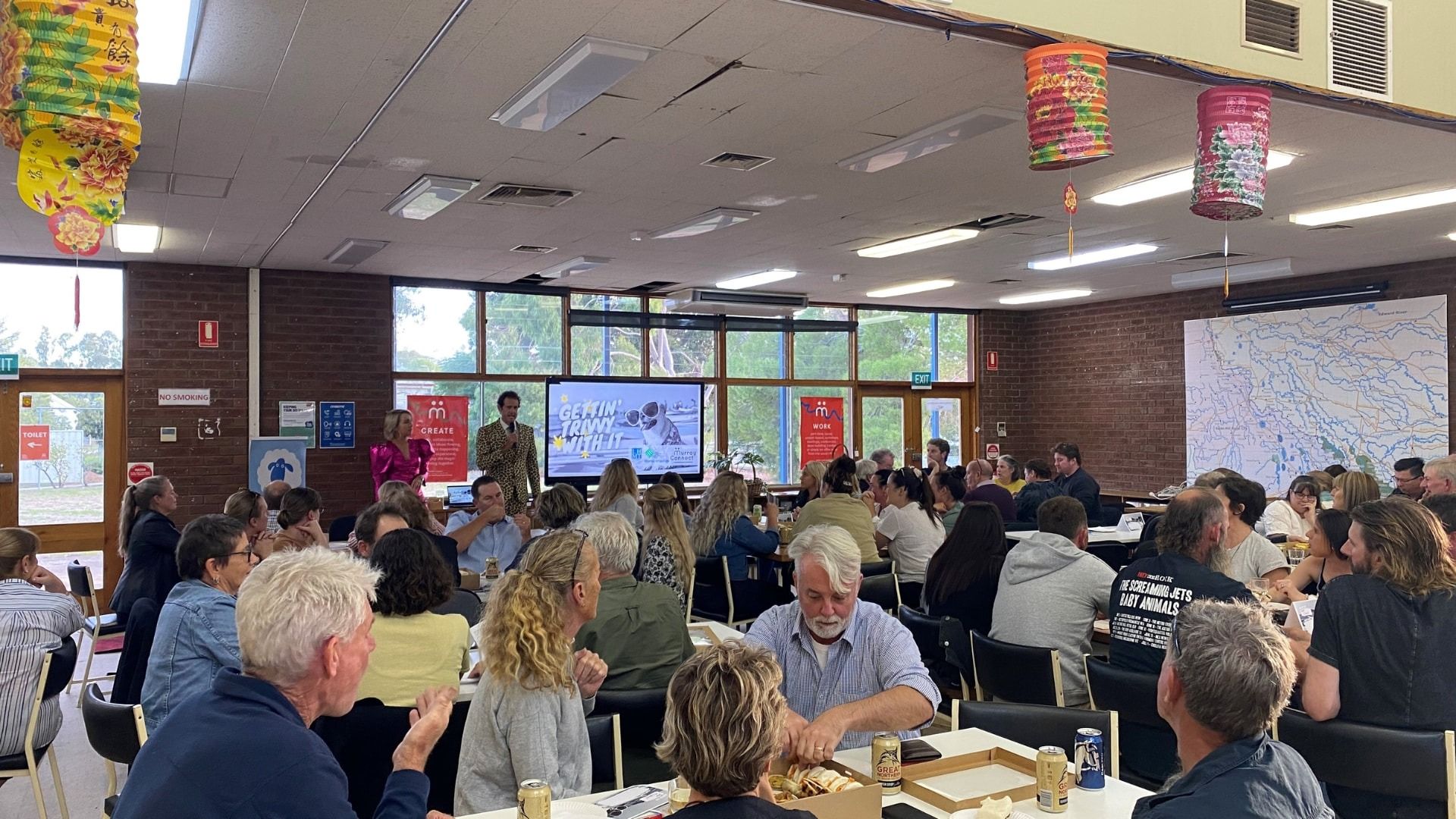
With a purpose to develop a cohesive community vision for the Koondrook-Perricoota (KP) Forest, a series of community engagement events were facilitated by WMLIG between December 2020 and April 2021. Over 160 participants attended the event series, culminating in a community vision for the Group of Forests (KP, Campbell’s Island and Little Forest):


“A healthy working forest where native fauna and flora flourish and local communities own and co-manage for the future.”


As part of this vision, members identified a series of key themes and interests which were deemed important to the future of these beautiful forests. Read more about this unique vision here.

To realise the full potential of the project and recognise the significant investment made so far, third party impacts require addressing. The Forestry Corporation of NSW, and the Koondrook Perricoota Alliance (KPA), is collaborating closely with other stakeholders to address the third-party impacts. Continuation of the timber industry is critical. The KPA has been working towards a positive triple bottom line outcome for the forest for over 15 years, showing the commitment and investment in the project by the local community.

Infrastructure

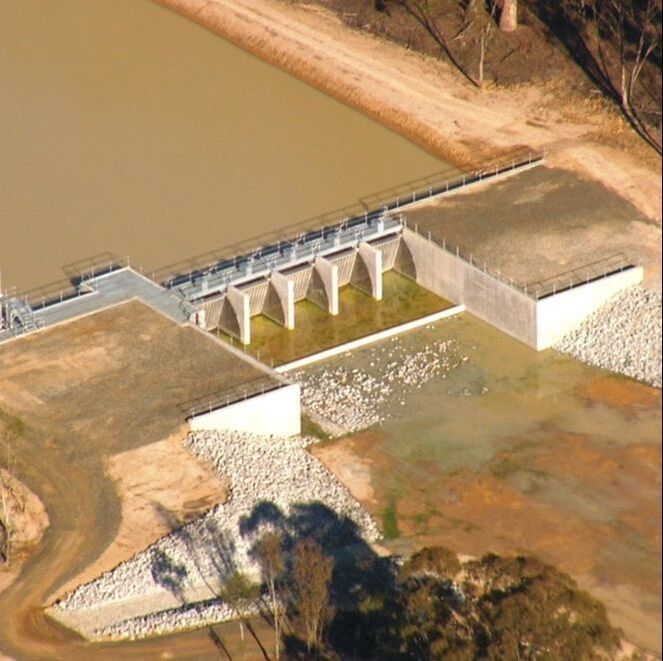
​Infrastructure works enable efficient, targeted delivery of water for the environment. Construction of key structures to deliver water to the Koondrook-Perricoota Forest occurred between 2010-2013, with a total cost of around $100 million.

There are four upstream structures:

  • The off-take regulator and channel which directs water from the Murray River above the Torrumbarry Weir. This has the capacity to deliver 6,000 ML (megalitres – one million litres) a day.
  • Two regulators at Swan Lagoon; the upstream one is the critical entry point into the forest.

There are seven downstream structures:

  • Thule, Calf, Cow, Barbers & Barbers Overflow Ck regulators.
  • The return channel and regulator.

A small commissioning event occurred in 2014, with approximately 12% (3,500 ha) of the forest inundated. A second management event occurred in 2019, similar in size to 2014. The use of the infrastructure, even at small flow rates, identified a requirement for further works to mitigate third party impacts. Approval for a works project to address these issues occurred in 2017. Part of this work, including the construction of 6.2m of levee, has been completed.

​Koondrook–Perricoota Forest Report Card 2023–24

Monitoring and evaluation is regularly conducted across the Basin, with progress and outcomes summarised by the MDBA in a series of report cards for each Icon site. You can access the report card for the KP here. Explore the link for an explanation of grades and to see how conditions have changed over time.

Our work in print - Published Articles

Recent Projects

October 8, 2026
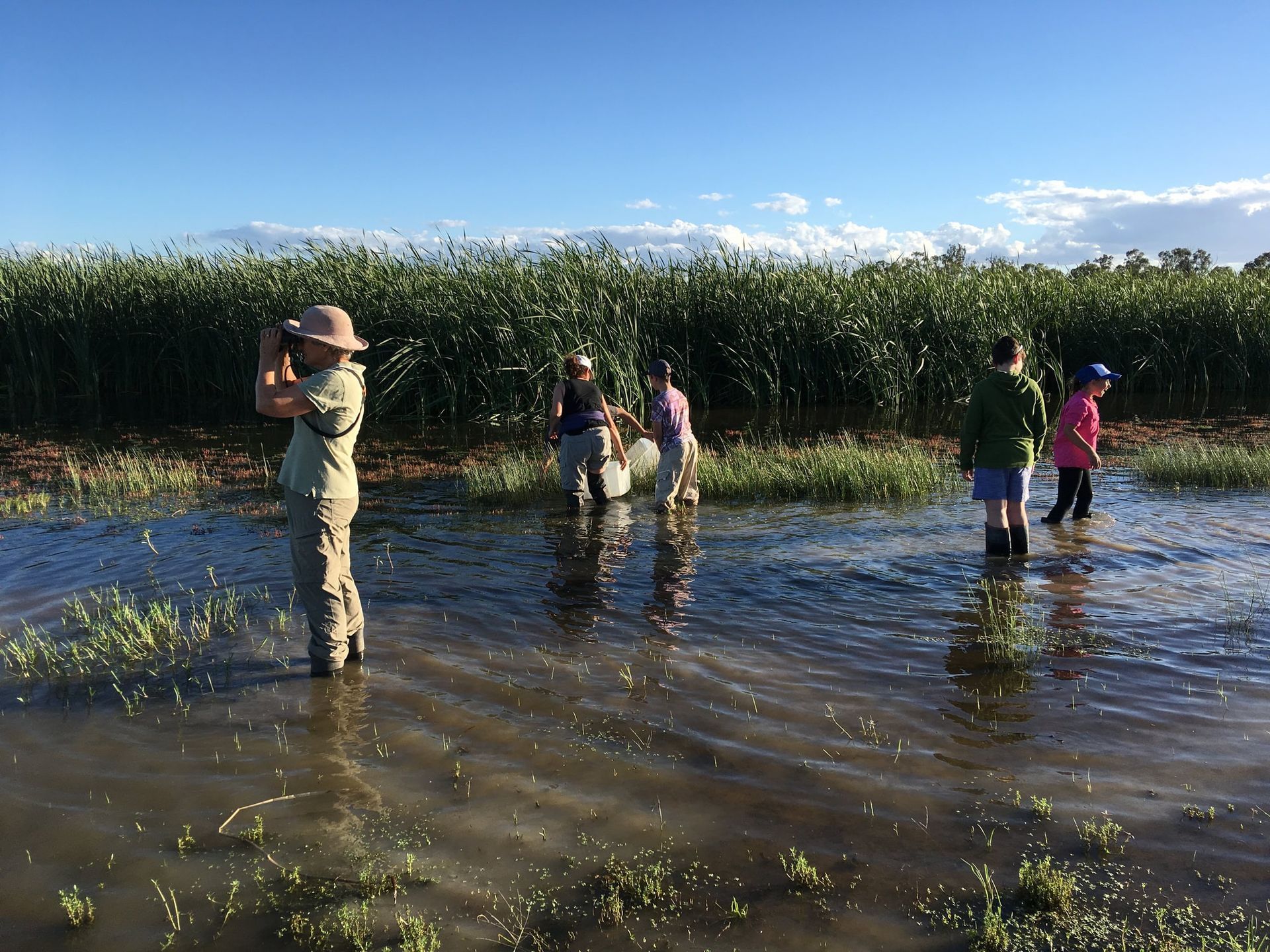
 On the 24th of October 2020, Western Murray Land Improvement Group along with Barham Landcare, held a fun and interactive workshop involving local Primary School children at Federation Reserve in Barham NSW. Two primary school classes from Barham Public School attended the workshop that saw Kindergarten on their very first out of school excursion. They were buddied up with Grade 3/4 and accompanied by 6 teachers and assistants from the school- making the total number of attendees 47. The workshop was facilitated by Barham Landcare volunteer and group treasurer Christine Dartnell and Local Landcare Coordinator (hosted by WMLIG) Stacey Waylen.
October 8, 2026
A summary of the day.
By Donna Marateo • October 8, 2026
A summary of the day.
October 8, 2026
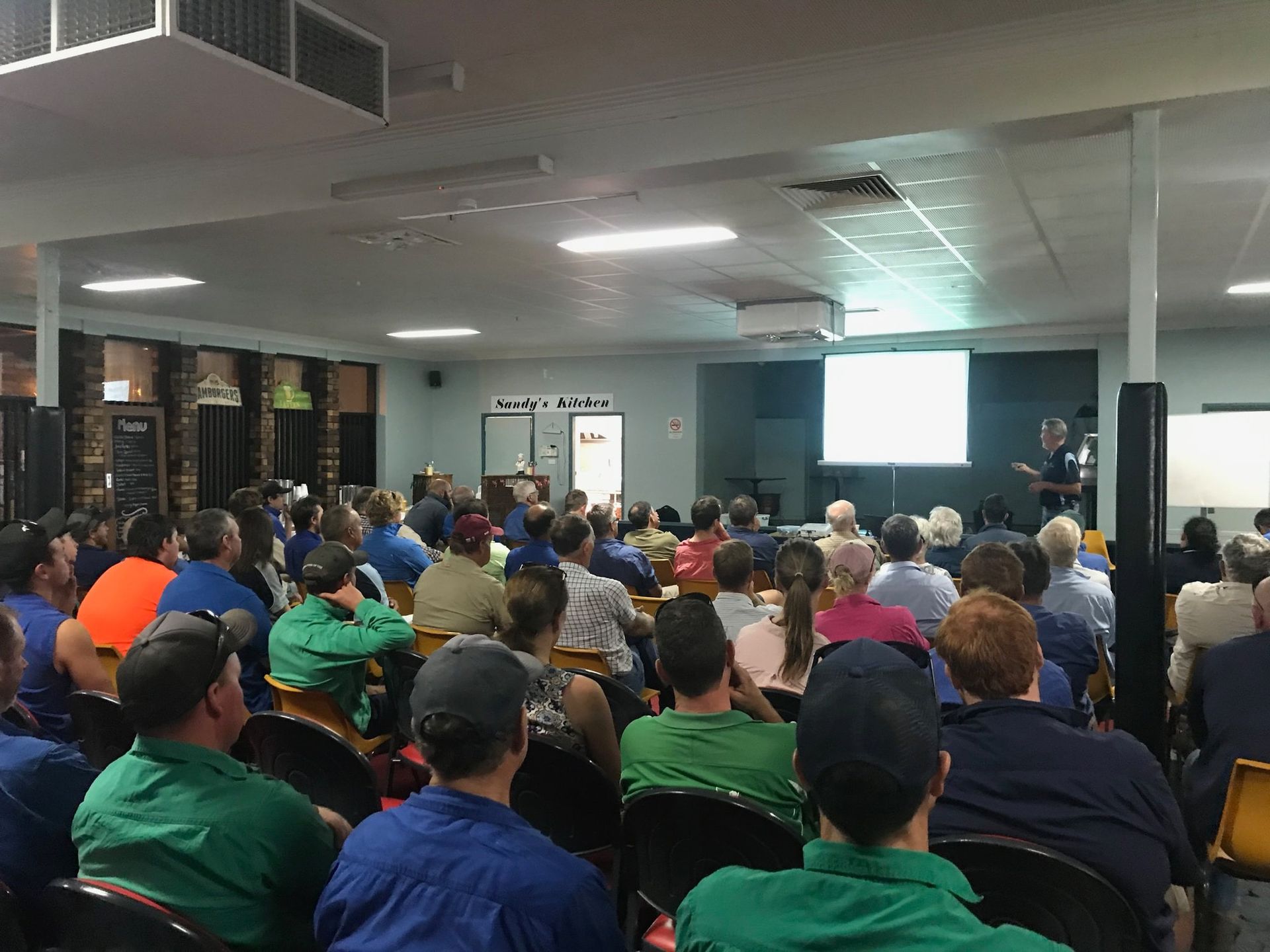
On the 31st of January 2020, over 120 local farmers and agricultural experts attended a Feedlot Information Day held in Wakool. The crowd was a diverse geographical mix, with attendees from Lalbert, Piangil, Moulamein, Barham, Deniliquin and Wakool. As following with the 'young farmer' focus of the event, the majority (42%) of attendees were under 35, while 28% were 35-45 and 37% were 45+. The day began with a workshop at the Wakool Club focused on livestock feedlot considerations. Presenter Geoff Duddy from Sheep Solutions discussed the pro's and con's of feedlotting versus containment feeding, the cost of feed and comparison of different systems. He emphasized the importance of feeding sheep protein to build muscle, wool and encourage growth. The group finished off with an understanding of how feedlots interacted with the whole farm system. Following this presentation, district vet Linda Searle (Murray Local Land Services), educated attendees on the range of livestock diseases or health complications associated with feedlot production systems.
October 2, 2026
Want to keep up to date?
October 2, 2026
World Wetlands Day 2023
October 2, 2026
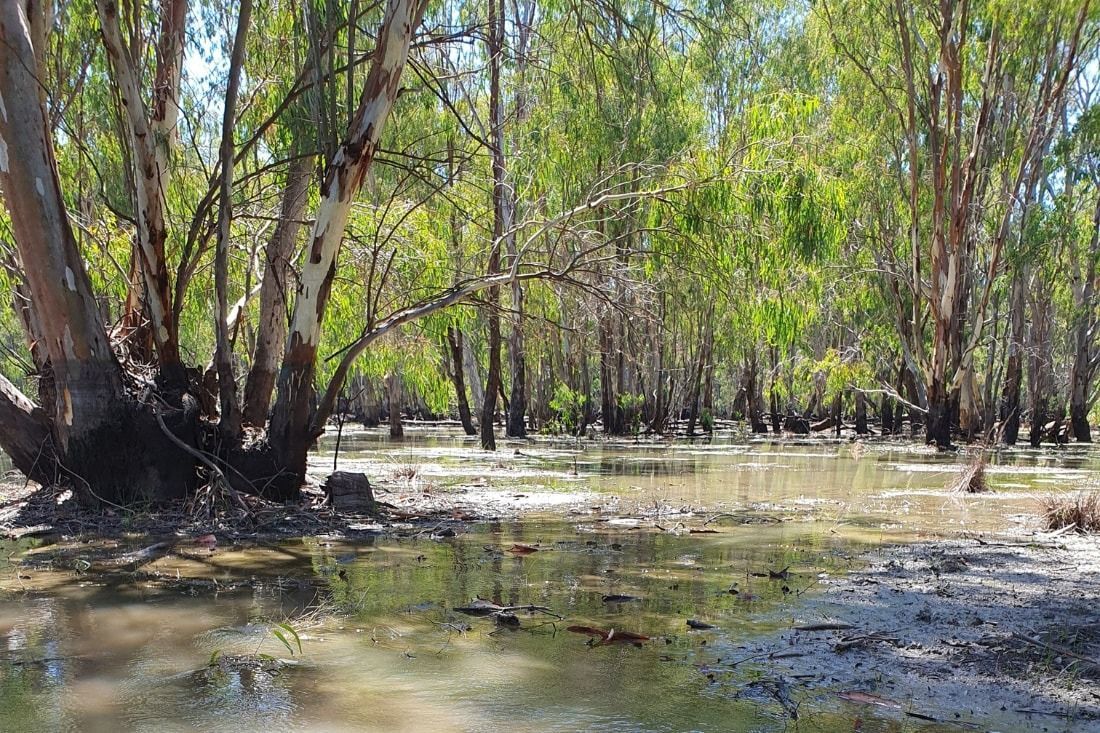
​Blackwater events cause mass fish deaths across the Murray-Darling Basin
By John Reynold Tubay • September 29, 2026
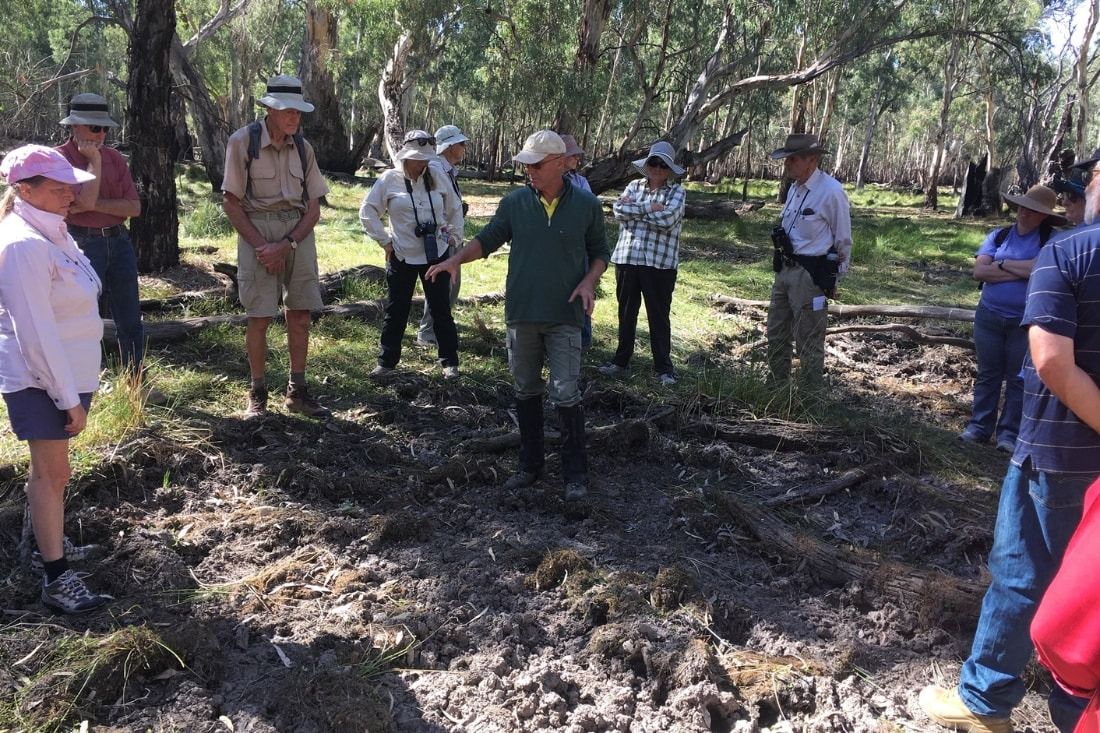
In March 2020, we organised and coordinated a tour for local producers of the Griffith, Whitton and Coleambally areas, in the north-western region of the Riverina region of New South Wales. ​ Whilst it was a challenge in COVID-regulation times, our organisers, Stacey and Amy, did a great job in selecting a line-up of some of the most impressive and inspiring businesses that have successfully innovated existing product or created new products utilising spare capacity. ​ Many of the businesses that the group visited looked at value-adding options, supply chain innovation, collaboration and diversification opportunities.
By John Reynold Tubay • September 29, 2026
Key facts