Knowing your soils

Share this article

This event was a WMLIG initiative supported by Rice Extension and made possible with funding from the Murray LLS through the Australian Government's National Landcare Programme.

19-20th March 2018
​
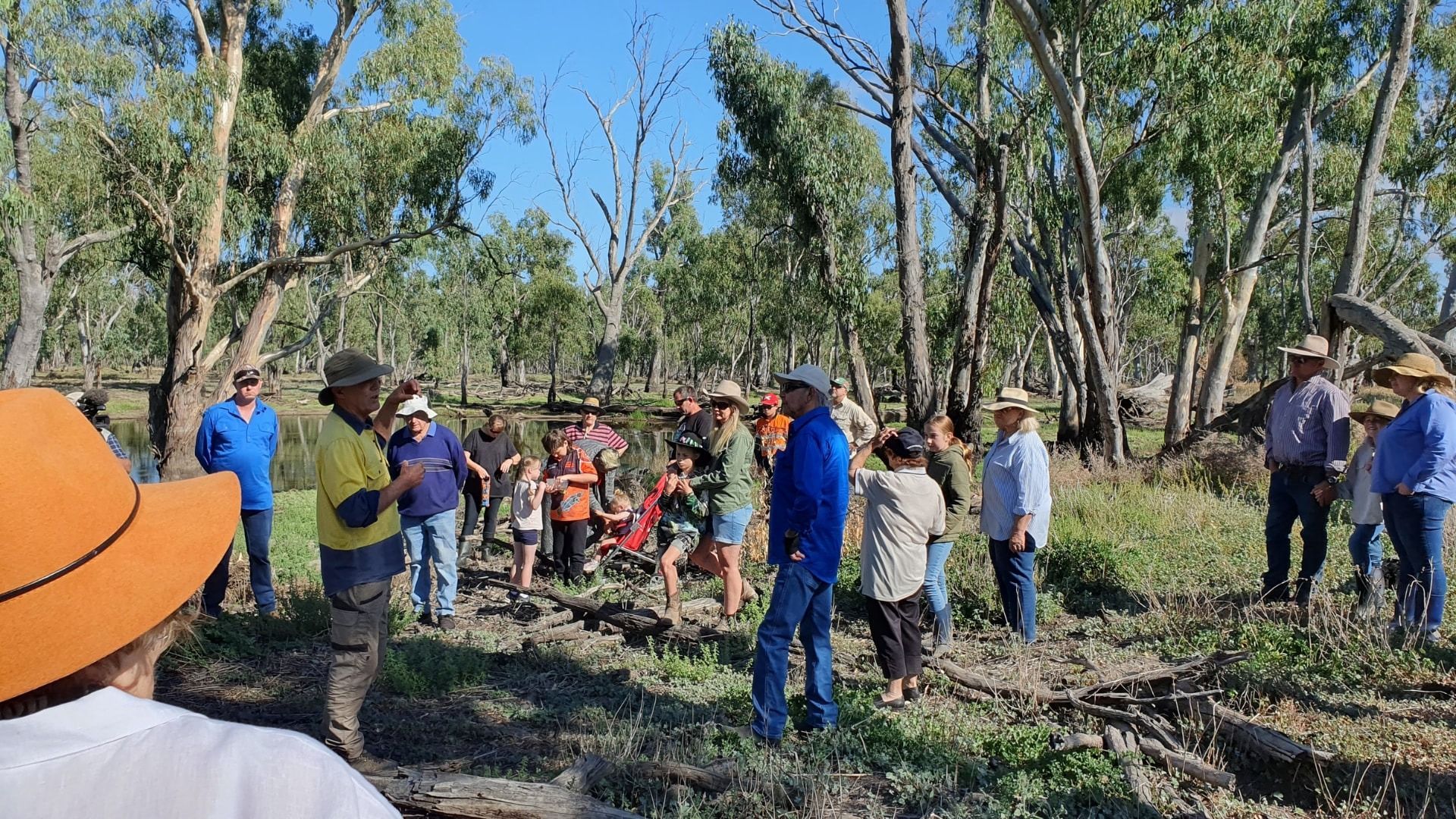
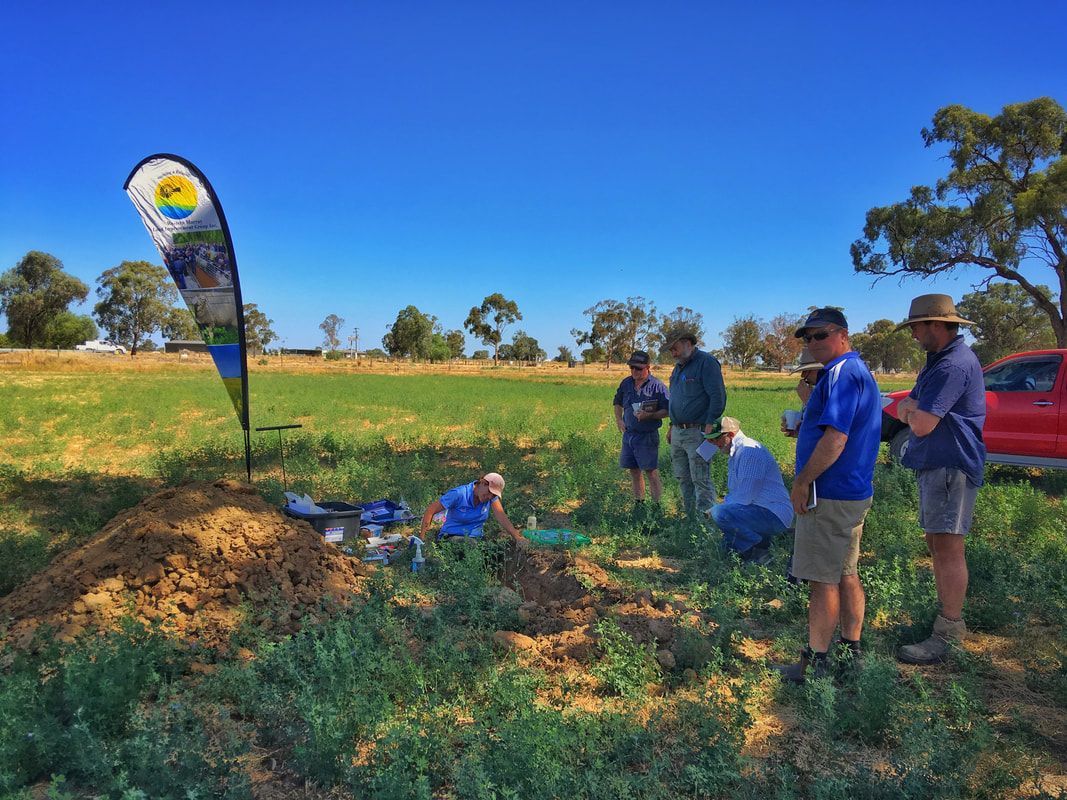
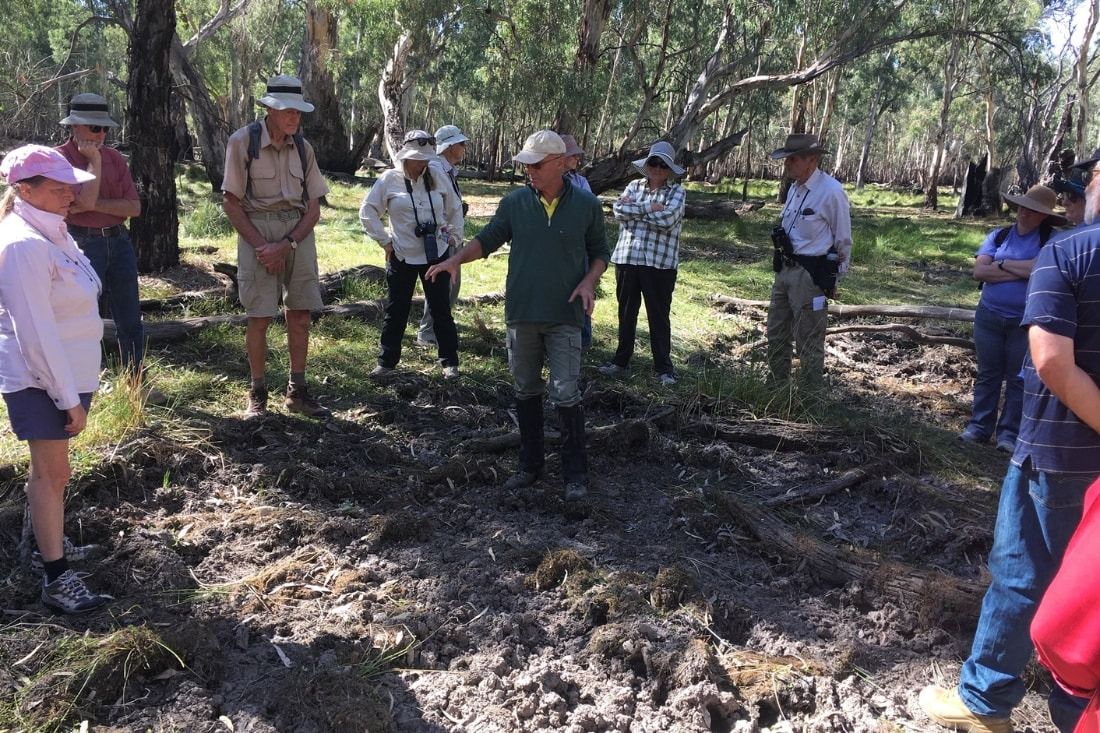
Sixteen people attended a soil analysis workshop in Wakool and Deniliquin in late March. This workshop was created with the initiative to help producers understand their soil and gain confidence to investigate soil constraints. Producers are familiar with the physical appearance of their topsoil, but often overlook the importance of their subsoil characteristics and capability when making management decisions.   

Sue Briggs and John Fowler from MLLS presented on the key components of the physical characteristics such as identifying soil colour, texture, structure, compaction layers and root growth.  The two sites were irrigated Lucerne stands, identified as Sodosols. They displayed a sodic layer at the top of the “B” horizon and are the common soil type of the region.
 
Sodosols are renowned for poor soil structure due the high level of sodium on the clay surface. This was demonstrated by placing a bit of the soil into a dish of water and the water turned “cloudy” or “milky”. However at both sites the Lucerne root was able to grow through that layer. 

Pauline Mele, the principal research scientist for AgriBio followed Sue’s presentation with a discussion on soil biology within farming systems. She began by stating: “Our soil biology is very resilient and remains dormant in the soil during dry periods and can even change its state to handle different oxygen levels during soil saturation.”
 
Currently, research in soil biology is still in the discovery phase. Microbial populations within our soils are the most diverse and complex of any system. There is still a lot to learn about how these microorganisms can influence agriculture, but there huge potential for their future use.
 
Pauline cautioned, “if you are considering the use of products that claim to add beneficial biology to your soil; always trial a small area over a few years to assess if it is influencing your crops. The hard thing about adding biology to a system is that you are applying a living organism, so storage can be an issue and the environment it is being added to may not be suitable for successful colonisation. At the end of the day, what are you trying to achieve with that product? Will the microbes be suitable for that purpose? Our research is only just beginning to ask these questions, so can a business be confident their microbial mix is fit for the job?.”
 
The WMLIG would like to extend thanks to Michael Shannon and Steve and Linda Fawns for hosting our soil workshops and providing soil pits for the day, as well as the North Central Catchment Management Authority for donating soil handbooks (available at the WMLIG office) for attendees. 


Recent Projects

October 8, 2026
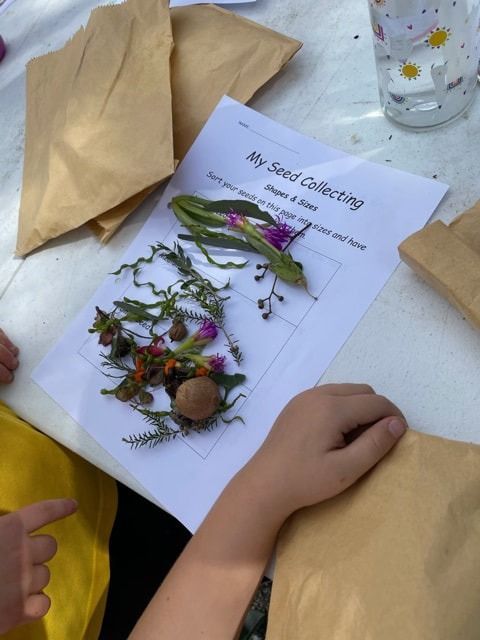
 On the 24th of October 2020, Western Murray Land Improvement Group along with Barham Landcare, held a fun and interactive workshop involving local Primary School children at Federation Reserve in Barham NSW. Two primary school classes from Barham Public School attended the workshop that saw Kindergarten on their very first out of school excursion. They were buddied up with Grade 3/4 and accompanied by 6 teachers and assistants from the school- making the total number of attendees 47. The workshop was facilitated by Barham Landcare volunteer and group treasurer Christine Dartnell and Local Landcare Coordinator (hosted by WMLIG) Stacey Waylen.
October 8, 2026
A summary of the day.
By Donna Marateo • October 8, 2026
A summary of the day.
October 8, 2026
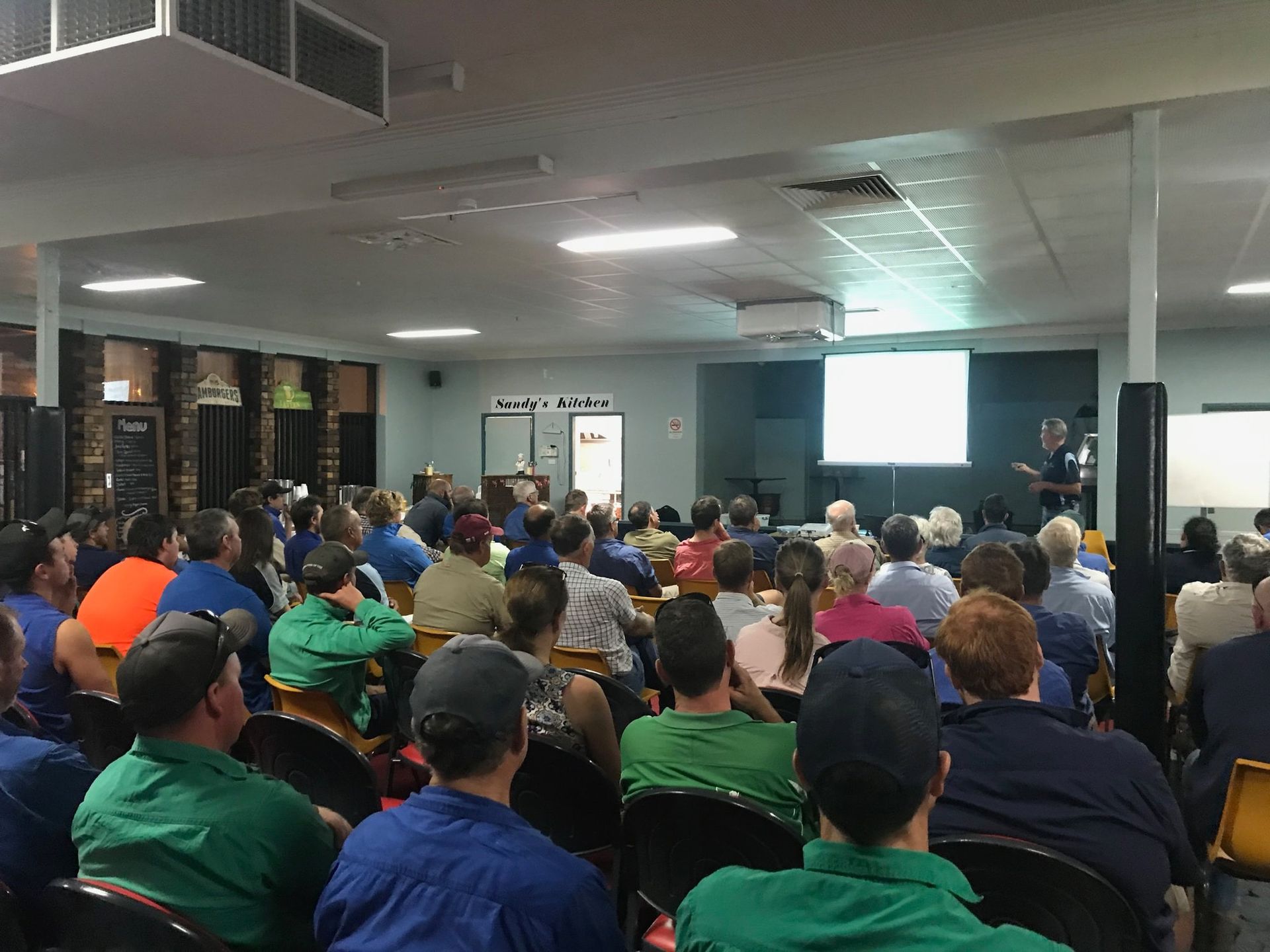
On the 31st of January 2020, over 120 local farmers and agricultural experts attended a Feedlot Information Day held in Wakool. The crowd was a diverse geographical mix, with attendees from Lalbert, Piangil, Moulamein, Barham, Deniliquin and Wakool. As following with the 'young farmer' focus of the event, the majority (42%) of attendees were under 35, while 28% were 35-45 and 37% were 45+. The day began with a workshop at the Wakool Club focused on livestock feedlot considerations. Presenter Geoff Duddy from Sheep Solutions discussed the pro's and con's of feedlotting versus containment feeding, the cost of feed and comparison of different systems. He emphasized the importance of feeding sheep protein to build muscle, wool and encourage growth. The group finished off with an understanding of how feedlots interacted with the whole farm system. Following this presentation, district vet Linda Searle (Murray Local Land Services), educated attendees on the range of livestock diseases or health complications associated with feedlot production systems.
October 2, 2026
Want to keep up to date?
October 2, 2026
World Wetlands Day 2023
October 2, 2026
​Blackwater events cause mass fish deaths across the Murray-Darling Basin
By John Reynold Tubay • September 29, 2026
In March 2020, we organised and coordinated a tour for local producers of the Griffith, Whitton and Coleambally areas, in the north-western region of the Riverina region of New South Wales. ​ Whilst it was a challenge in COVID-regulation times, our organisers, Stacey and Amy, did a great job in selecting a line-up of some of the most impressive and inspiring businesses that have successfully innovated existing product or created new products utilising spare capacity. ​ Many of the businesses that the group visited looked at value-adding options, supply chain innovation, collaboration and diversification opportunities.
By John Reynold Tubay • September 29, 2026
Key facts