

Barham Lakes Project

Share this article

About this project

This combined community project funded by CluBarham aims to restore and enhance the habitat of the Barham lakes complex. The project consists of 5 stages, with the project team currently working through stage 1 of 5.

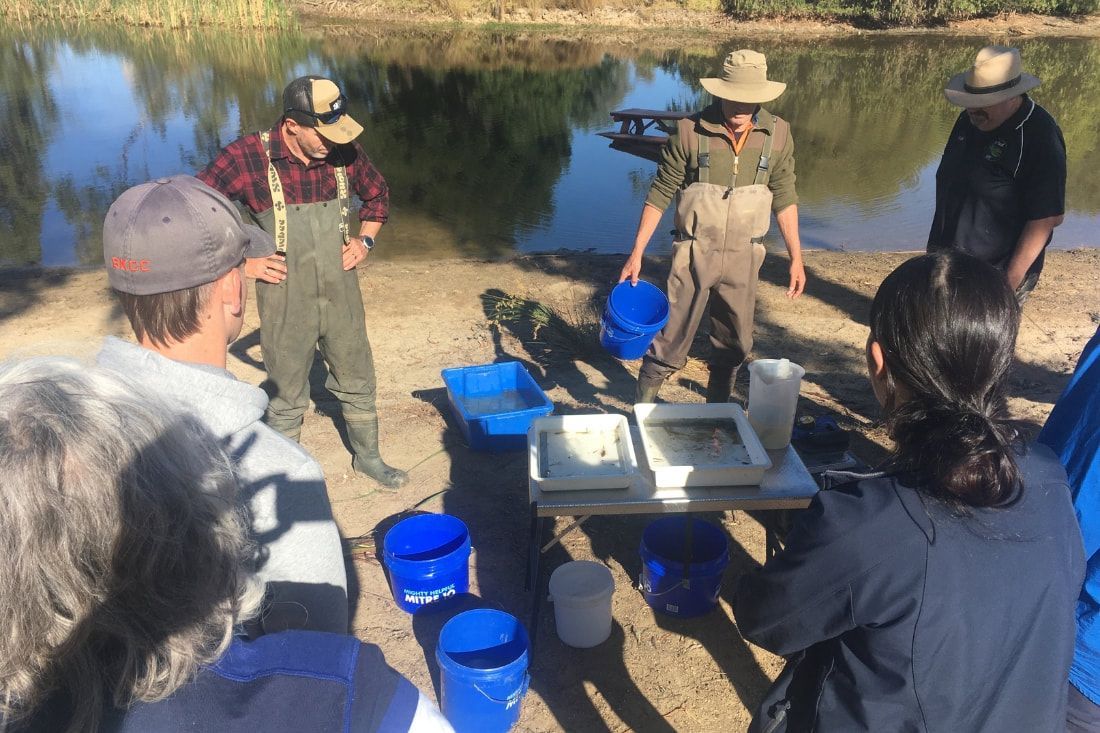
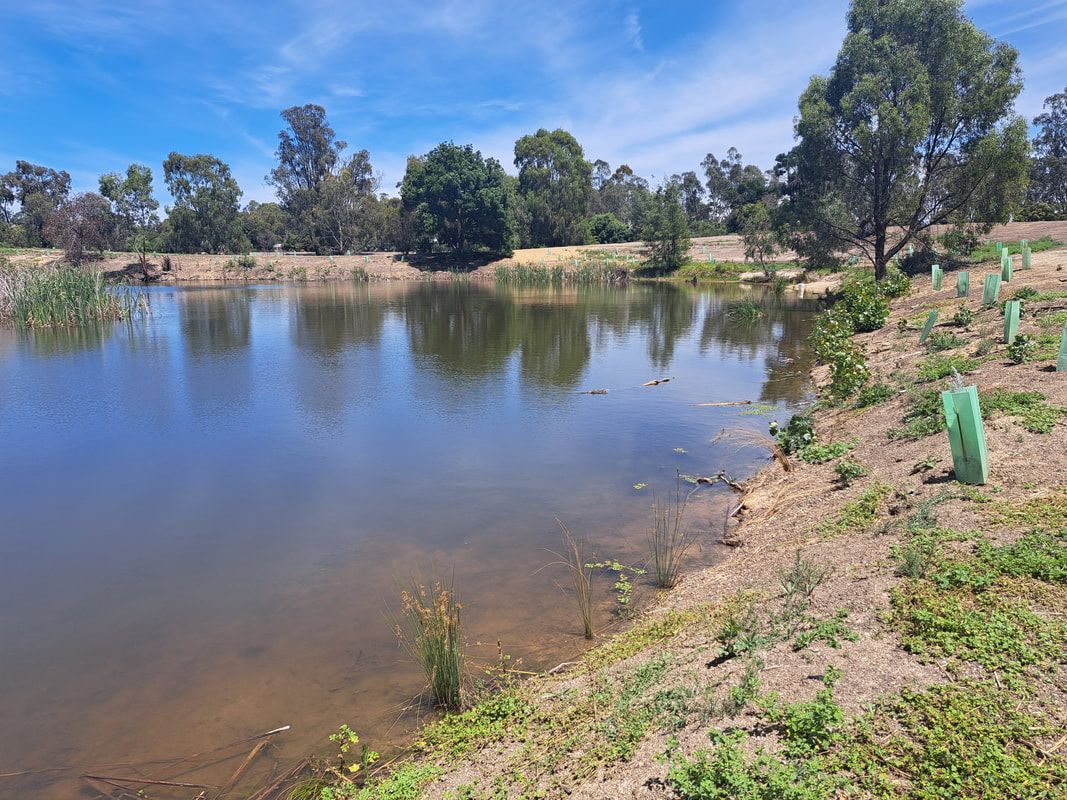
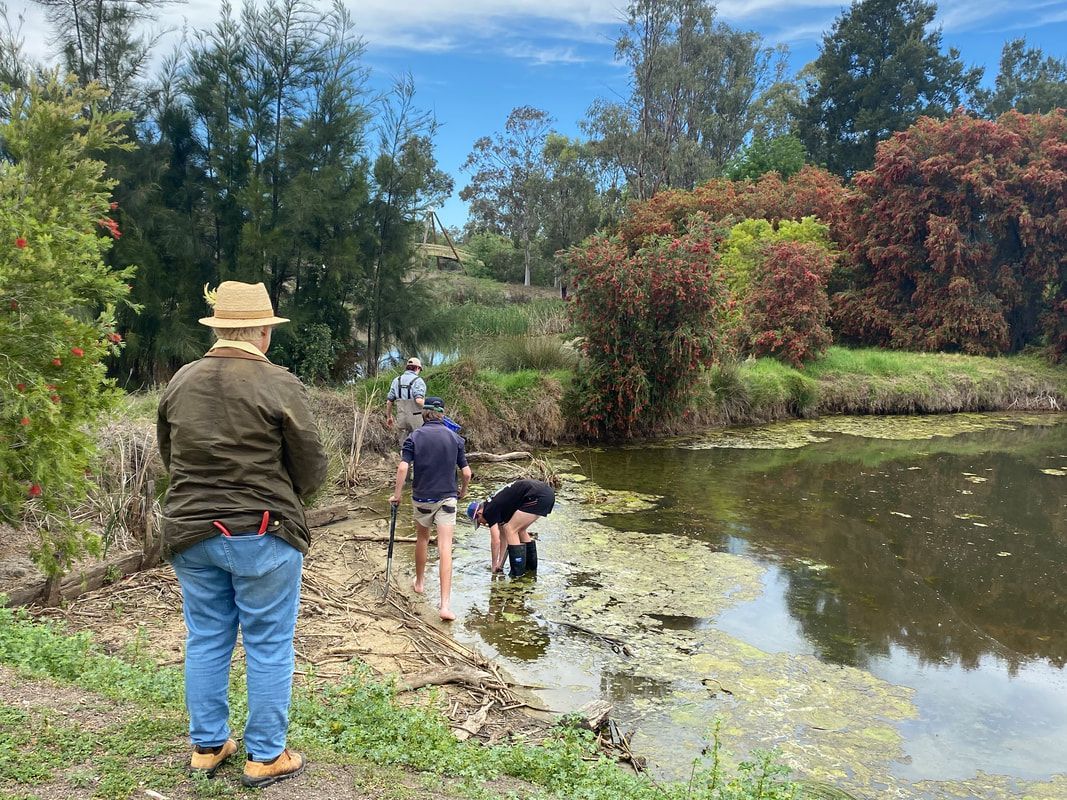
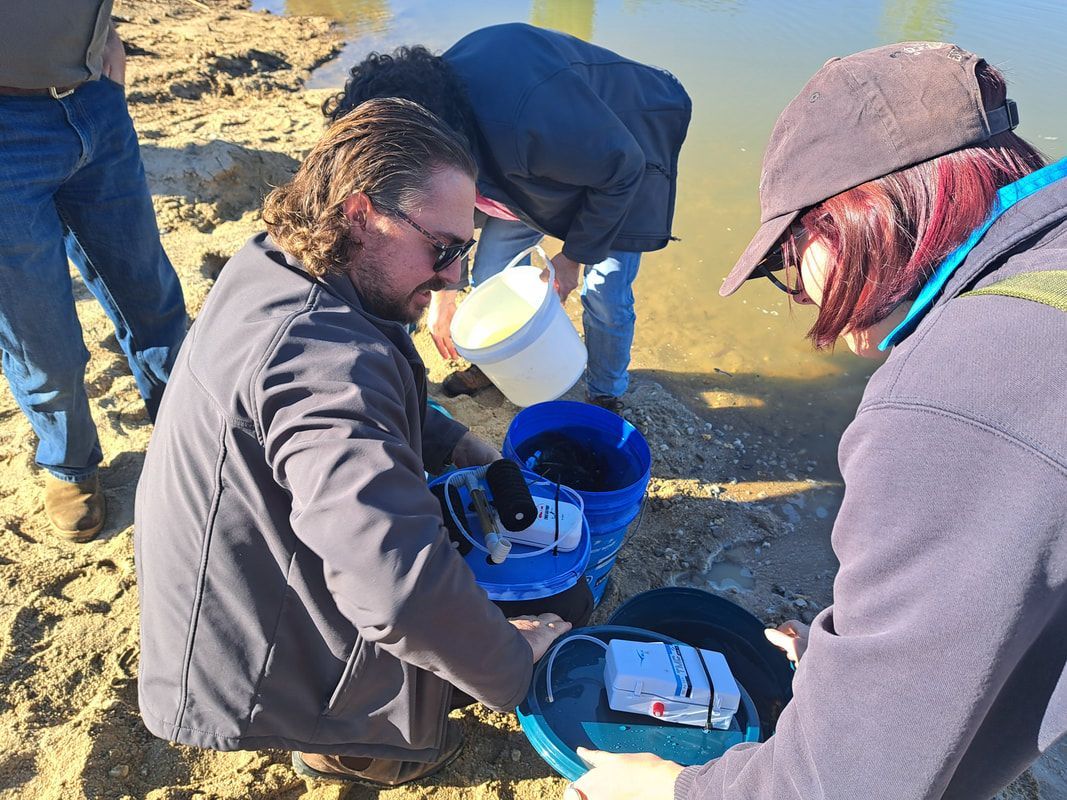
This first stage of rehabilitation stage aims to establish a threatened native small-bodied fish nursery and refuge site at the old swimming area. Targeted small-bodied native fish include endangered southern pygmy perch and purple spotted gudgeon.
​
Our role is to provide project management experience and bring together a cross-sectional community taskforce. 

December 2024 Update - Spring has sprung!

Whilst we're melting in this recent warm weather, our wetland plants are booming!


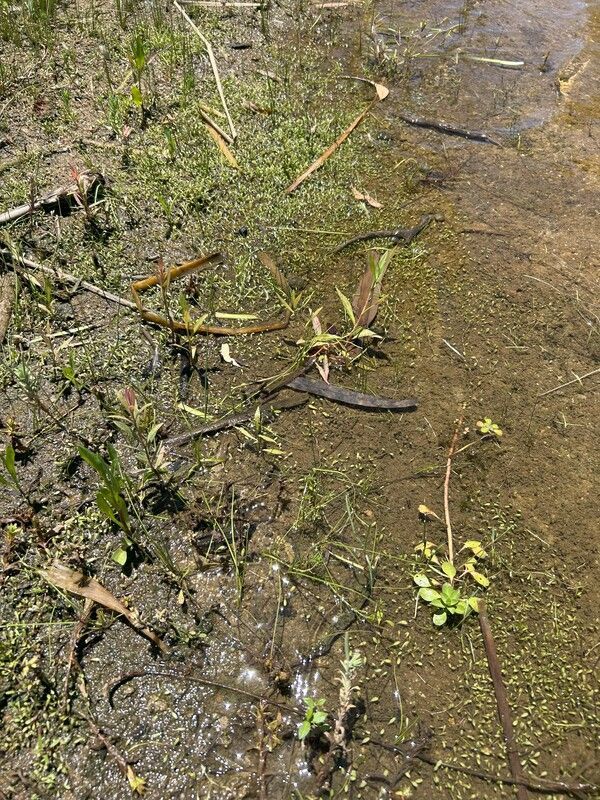
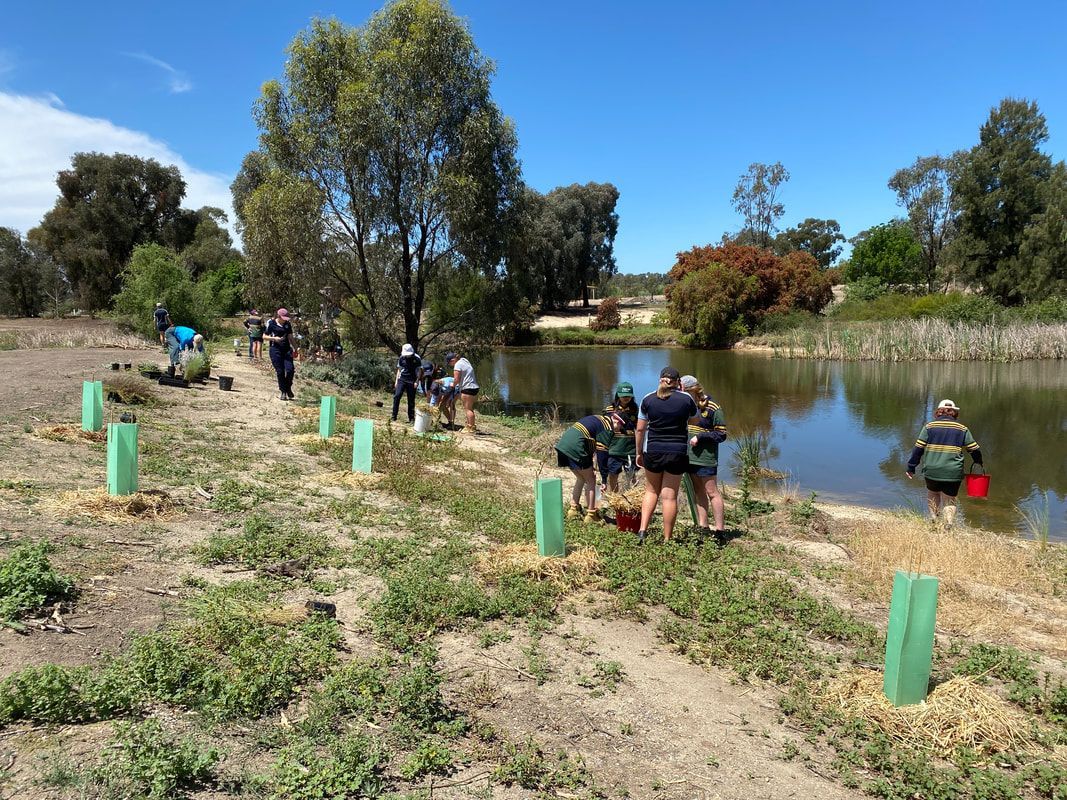
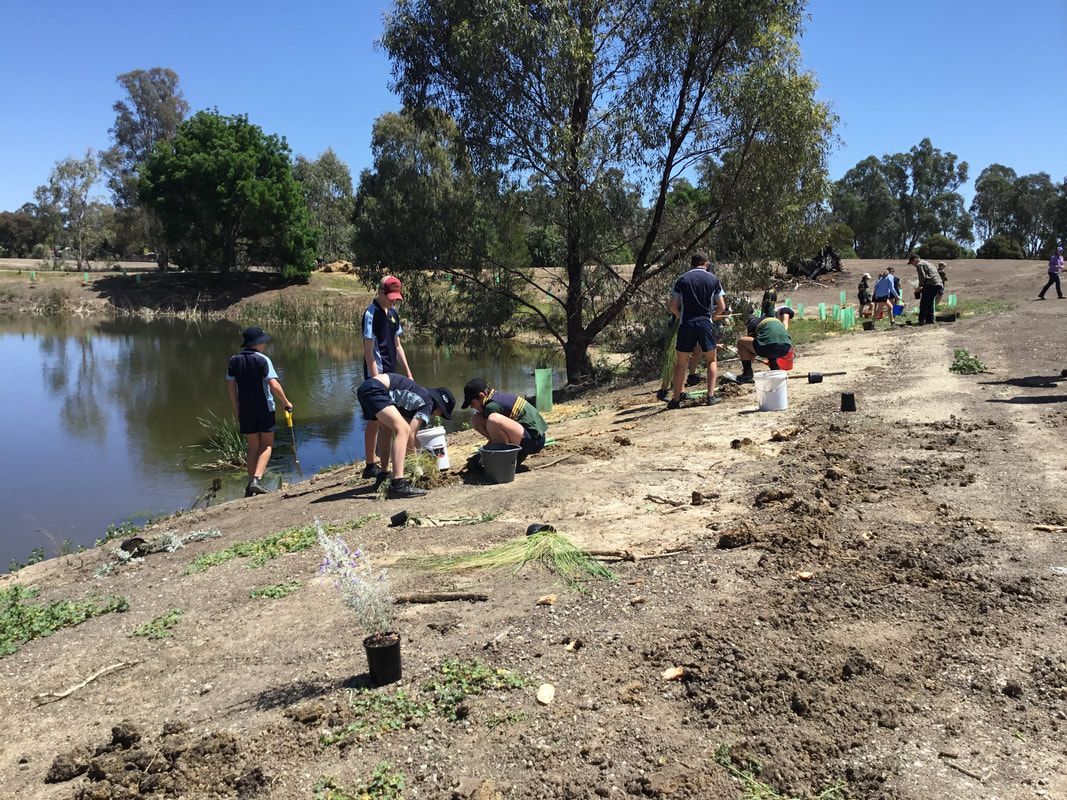
Vegetation planted at Barham Lakes in October by students from Barham High School and Deniliquin High School has taken off in the last few weeks.


Wetland species such as Water Primrose (Ludwigia peploides subsp. Montevidensis) and Swamp Lily (Ottelia ovalifolia subsp. Ovalifolia) have shown significant growth during the last month. We look forward to seeing what other species pop up over summer.


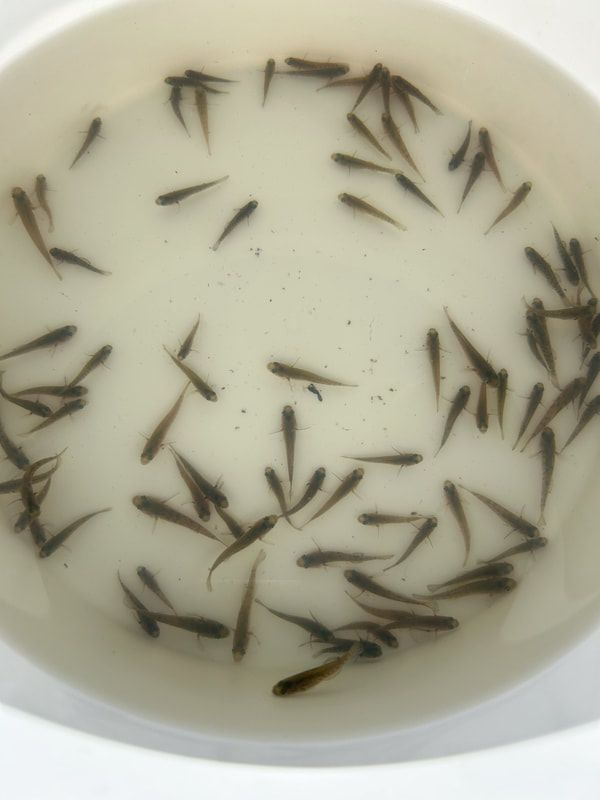
This new growth is enhancing our Native Small-Bodied Fish nursery, and we hope the Purple Spotted Gudgeon's released in May are loving it!

Key facts

Currently in Stage 2 of 5

Our goal is to establish a threatened native small-bodied fish nursery and refuge site

Combined community project between WMLIG and six clubs/organisations

We provide project management experience and on-ground coordination of cross-community organisations

1000 Southern Purple-Spotted Gudgeon fingerlings released May 2024

About the Barham Lakes

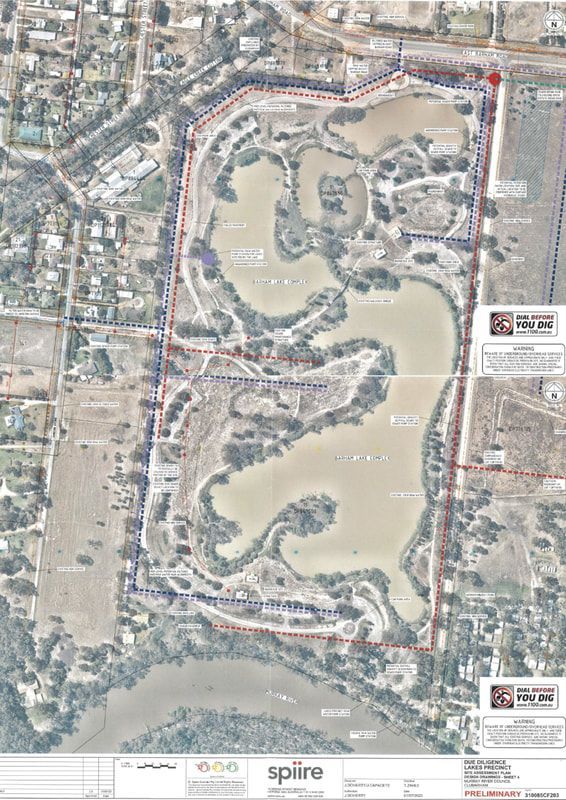
The Barham Lakes complex is a 15ha site consisting of four man-made lakes originally constructed by CluBarham during the 1980’s and was initially stocked with native fish species including Murray cod, golden perch, silver perch and catfish.


​The complex lies adjacent to the Murray River and Eagle Creek cutting and is situated approximately 1km from Barham township. 


Up until approximately 2018, Barham Lakes complex was an area of public access for recreational fishing and 4km of walking tracks.

​

Given its proximity to the Murray River and Eagle Creek, Barham Lakes Complex has been identified as an important ecological site using environmental and consumptive water to develop threatened native fish breeding areas.

Barham Lakes Precinct map

Local School Involvement

​The CluBarham Lakes project is a community project building an ongoing partnership with several community groups including Barham High School.

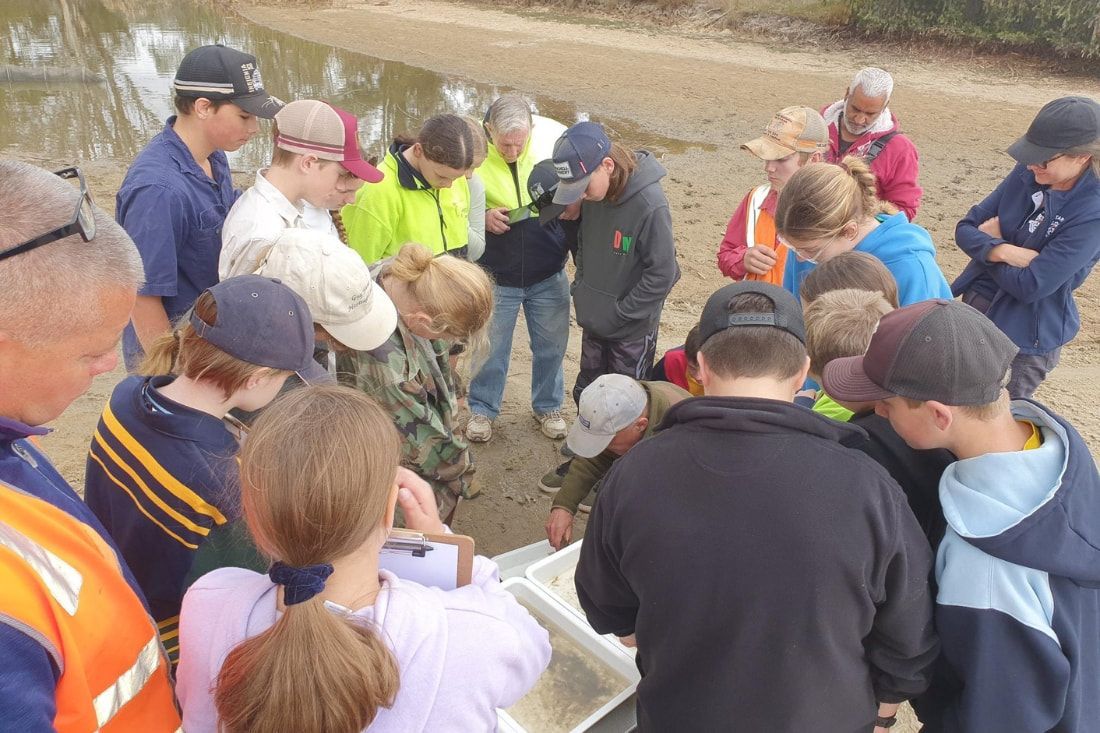
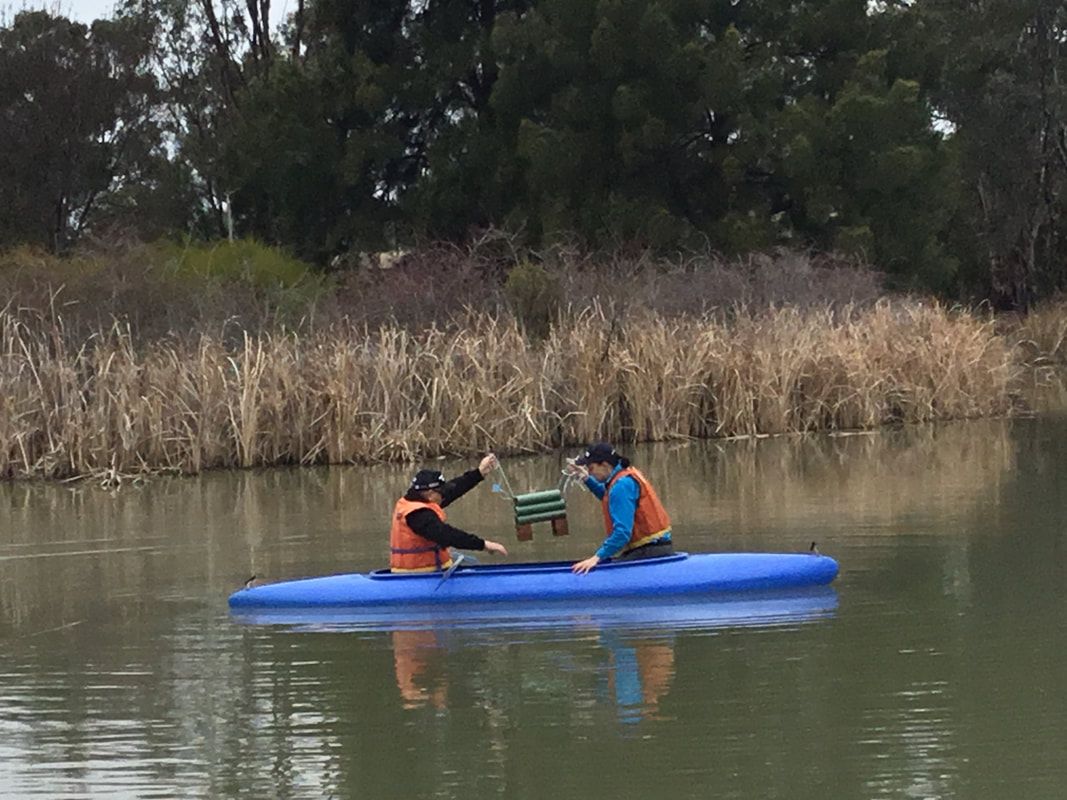
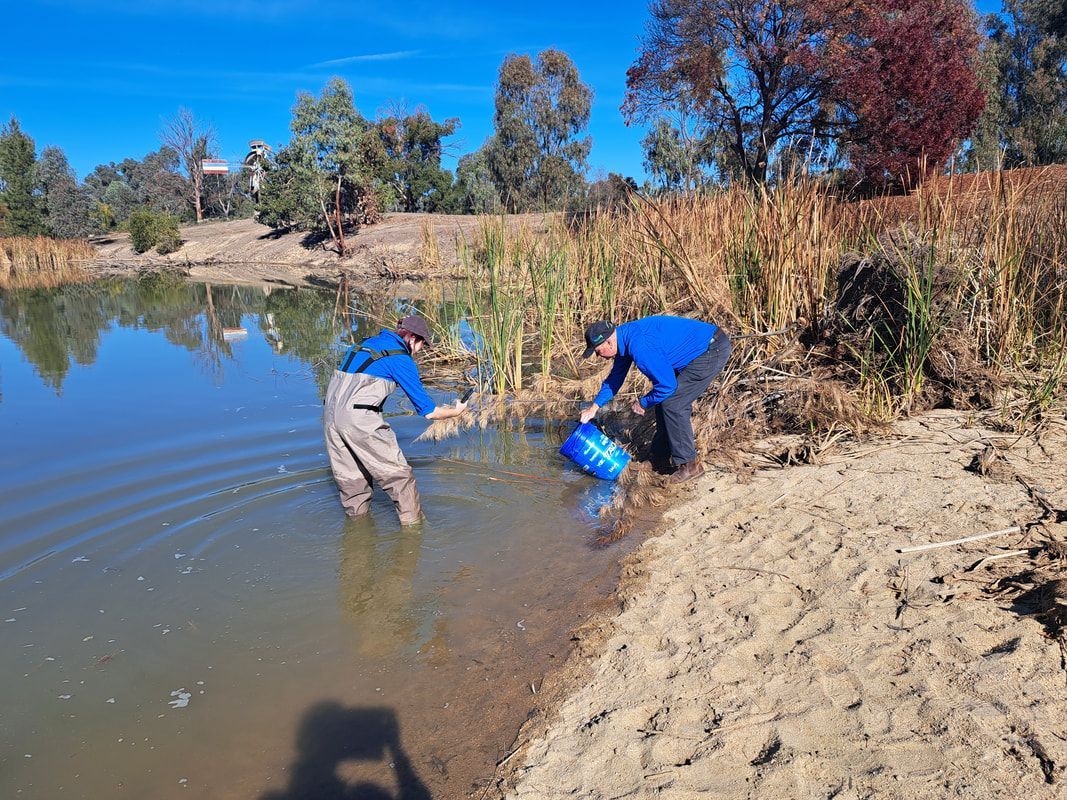
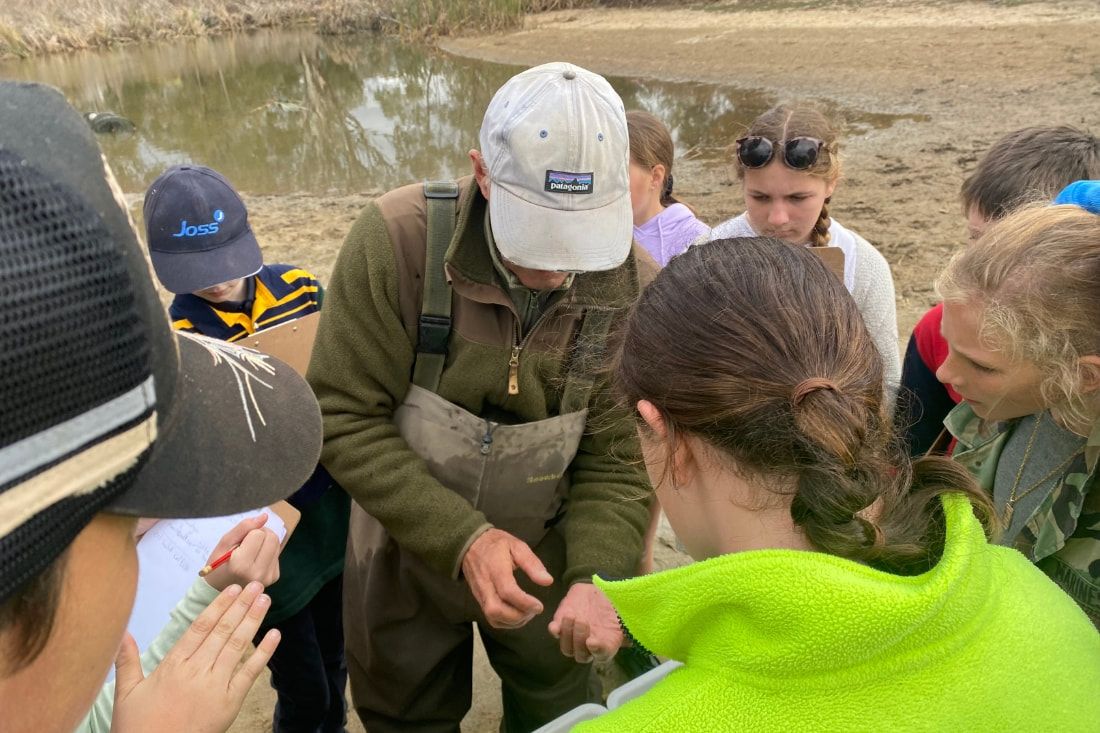
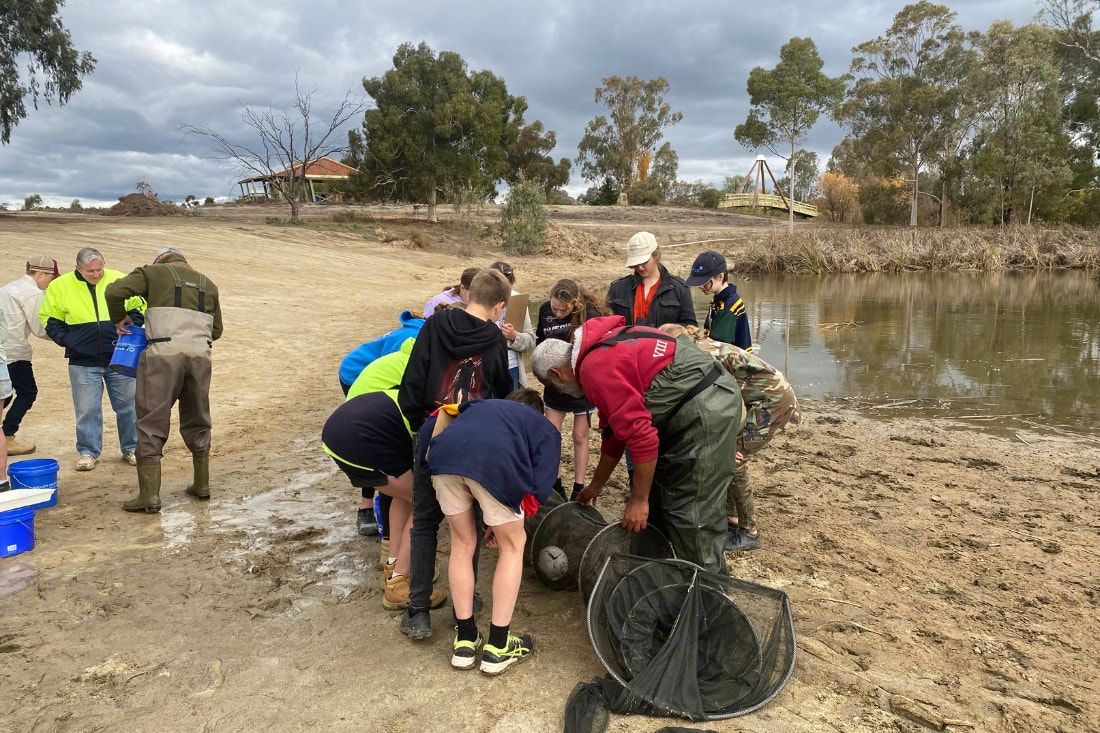
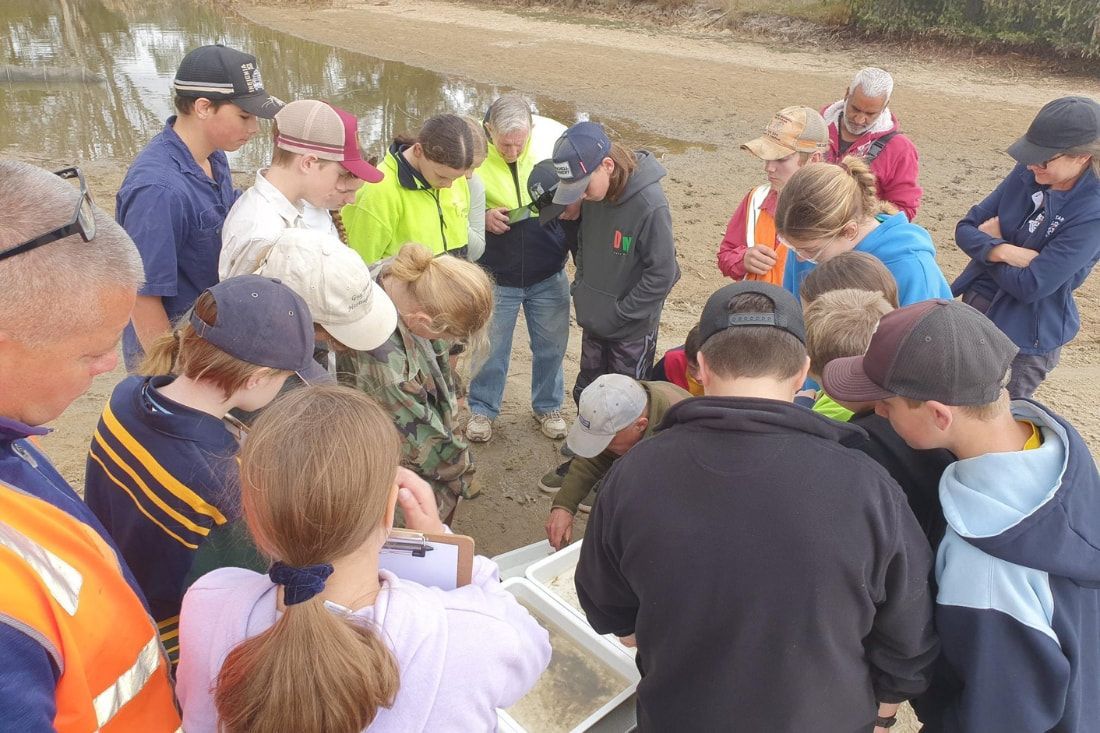
During the pilot stage or stage 1 of the project, ​Students from years 7, 9, 10 and 11 are assisting in revegetation and rehabilitation of the old 'swimming hole' into a threatened small-bodied native fish nursery.

Student participation is being aligned with NSW Science Curriculum. ​

Barham High School students will continue to help with revegetation works throughout the project life under the supervision of Barham Landcare volunteers.​


Project gallery

In the news


Media Release - Breathing New life into the Lakes
18th January 2023

​​Media Release - Small Bodied Fish Nursery Barham Lake 
​20th May 2024

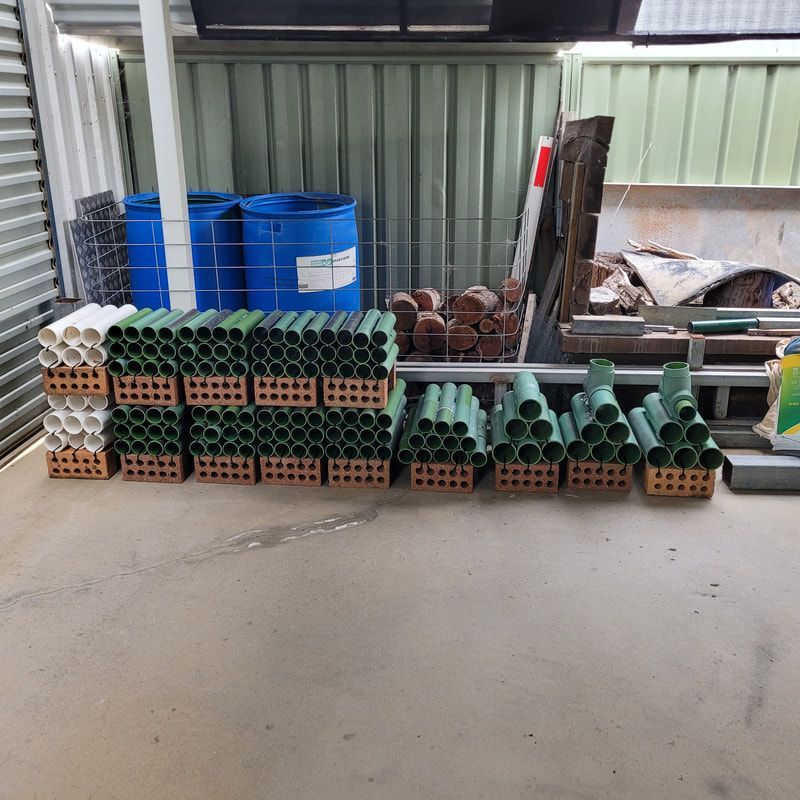
​Media Release - Fish Hotels

6th August 2024

Please note that the Barham Lakes precinct is currently closed to the public.


Project Partners

This project is a combined community project, funded by CluBarham. Project partners include CluBarham , Barham Land Care Group, Eagle Creek Trust, Barham District Services Memorial Angling Club , Moama Local Aboriginal Land Council and Barham High School.


Recent Projects

October 8, 2026
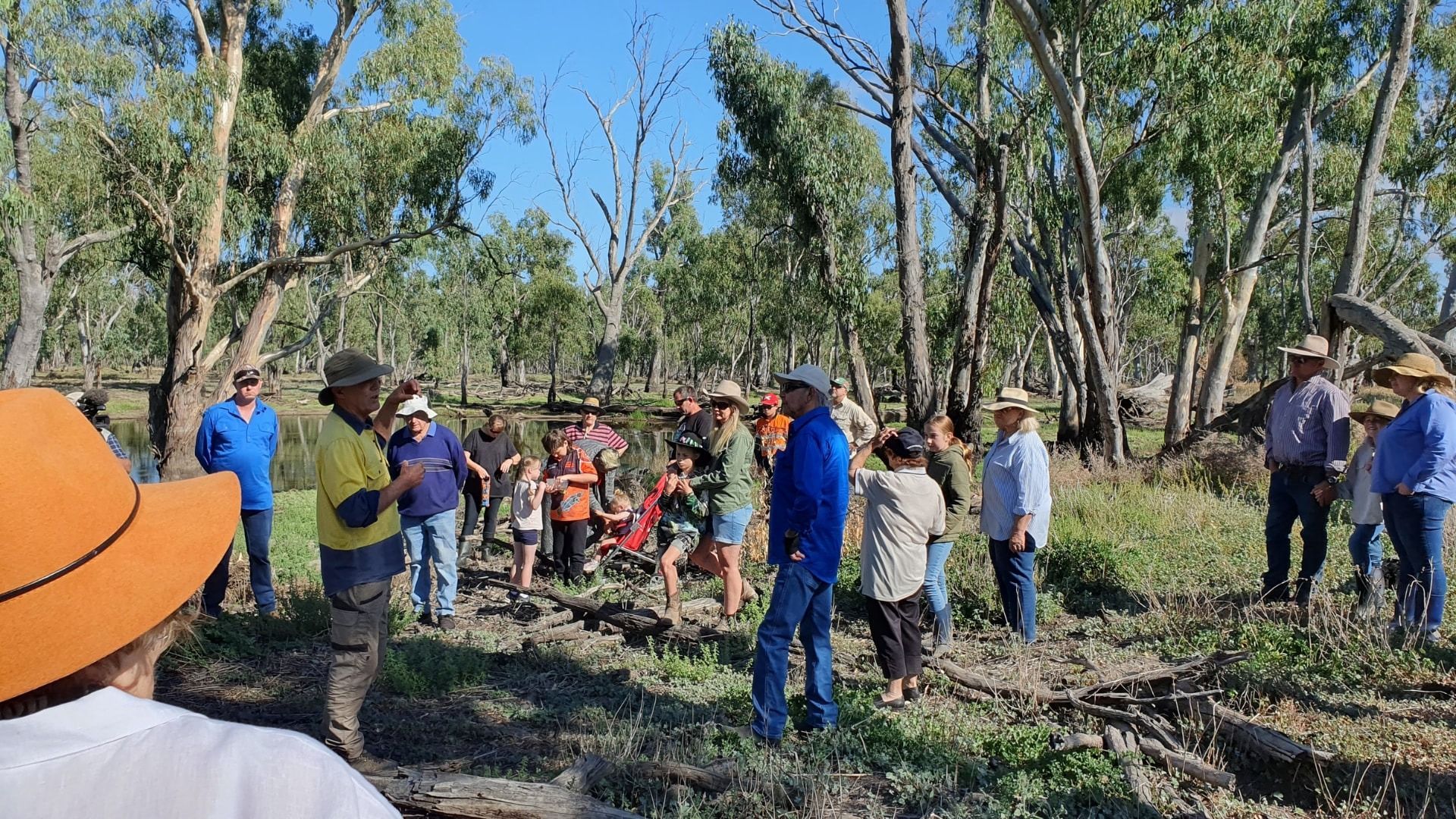
 On the 24th of October 2020, Western Murray Land Improvement Group along with Barham Landcare, held a fun and interactive workshop involving local Primary School children at Federation Reserve in Barham NSW. Two primary school classes from Barham Public School attended the workshop that saw Kindergarten on their very first out of school excursion. They were buddied up with Grade 3/4 and accompanied by 6 teachers and assistants from the school- making the total number of attendees 47. The workshop was facilitated by Barham Landcare volunteer and group treasurer Christine Dartnell and Local Landcare Coordinator (hosted by WMLIG) Stacey Waylen.
October 8, 2026
A summary of the day.
By Donna Marateo • October 8, 2026
A summary of the day.
October 8, 2026
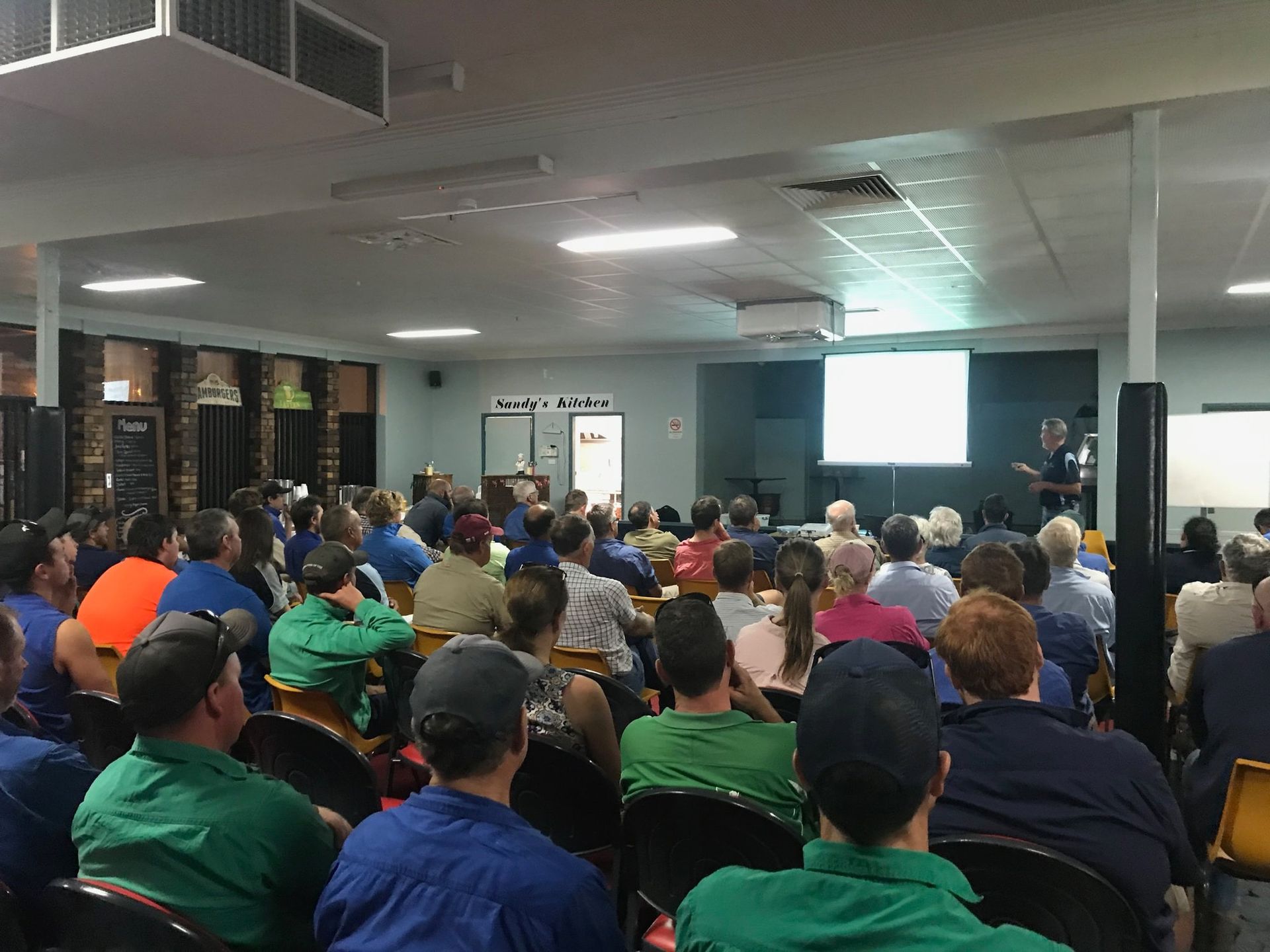
On the 31st of January 2020, over 120 local farmers and agricultural experts attended a Feedlot Information Day held in Wakool. The crowd was a diverse geographical mix, with attendees from Lalbert, Piangil, Moulamein, Barham, Deniliquin and Wakool. As following with the 'young farmer' focus of the event, the majority (42%) of attendees were under 35, while 28% were 35-45 and 37% were 45+. The day began with a workshop at the Wakool Club focused on livestock feedlot considerations. Presenter Geoff Duddy from Sheep Solutions discussed the pro's and con's of feedlotting versus containment feeding, the cost of feed and comparison of different systems. He emphasized the importance of feeding sheep protein to build muscle, wool and encourage growth. The group finished off with an understanding of how feedlots interacted with the whole farm system. Following this presentation, district vet Linda Searle (Murray Local Land Services), educated attendees on the range of livestock diseases or health complications associated with feedlot production systems.
October 2, 2026
Want to keep up to date?
October 2, 2026
World Wetlands Day 2023
October 2, 2026
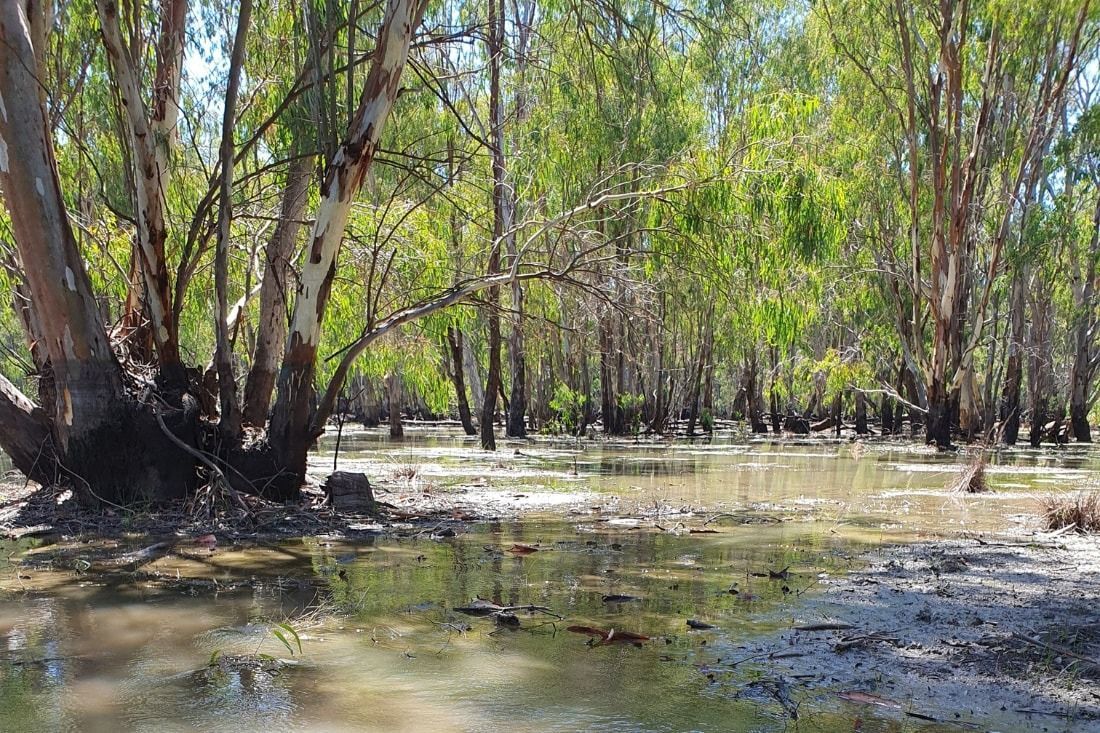
​Blackwater events cause mass fish deaths across the Murray-Darling Basin
By John Reynold Tubay • September 29, 2026
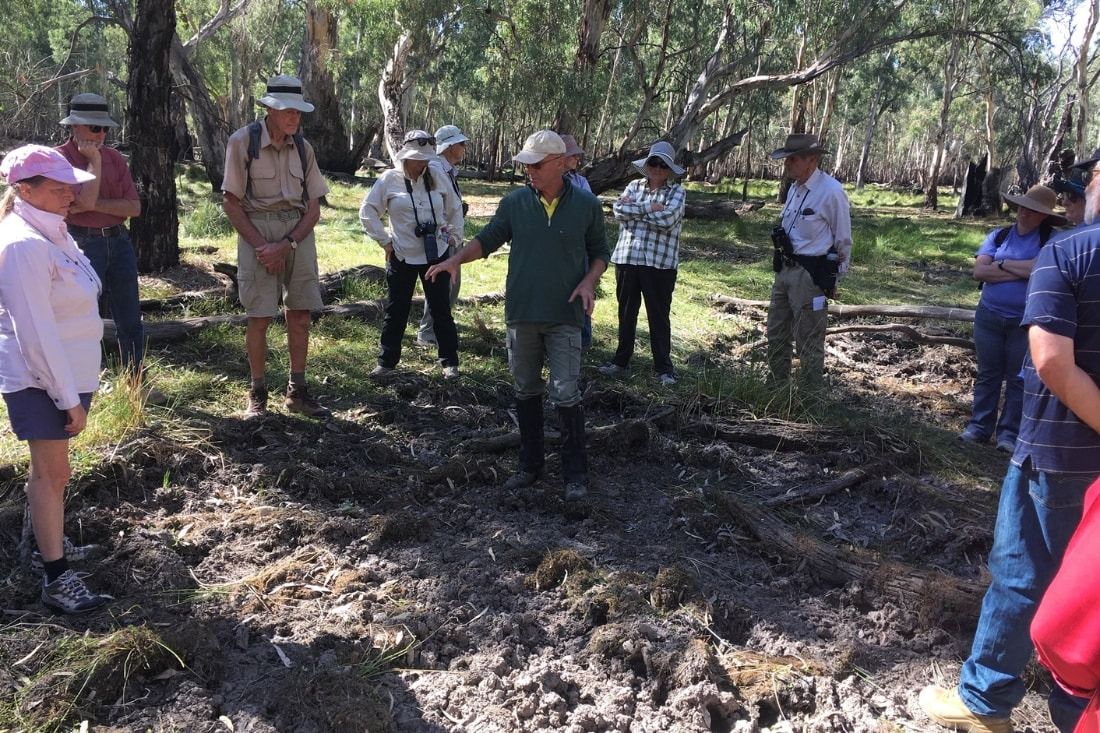
In March 2020, we organised and coordinated a tour for local producers of the Griffith, Whitton and Coleambally areas, in the north-western region of the Riverina region of New South Wales. ​ Whilst it was a challenge in COVID-regulation times, our organisers, Stacey and Amy, did a great job in selecting a line-up of some of the most impressive and inspiring businesses that have successfully innovated existing product or created new products utilising spare capacity. ​ Many of the businesses that the group visited looked at value-adding options, supply chain innovation, collaboration and diversification opportunities.
By John Reynold Tubay • September 29, 2026
Key facts