
Alternative uses for Australian Rice straw

Share this article

A summary of the impacts & solutions of stubble burning.


A summary of the impacts & solutions of stubble burning.


The issue:
Rice crops can leave stubble loads of up to 15 tonnes if a 12 tonne per hectare crop is grown. This poses a significant issue for farmers due to blockages and poor seed-soil contact when sowing a consecutive crop. To cope with this constraint, often stubble is burnt 1-6 months after harvest to improve trafficability and establishment of the following crop. This poses both an environmental and economic disadvantage, as studies suggest that burning reduces nutrient levels and releases carbon dioxide, monoxide and nitrous oxide which can increase the likelihood of human respiratory problems and contribute to greenhouse gases.

The solution:
Local farmers volunteered their rice paddocks in 2017-19 for some incorporation demonstrations to showcase whether commercially available implements and amendments were a viable management alternative for rice stubble. Treatments applied included mulching, rolling, incorporation using an offset disc, speed tiller and deep ripper in different combinations. Amendments such as UAN, NPKS and microbial inoculants were also trialled at high rates to observe if this sped up decomposition. Lastly, a case study booklet collating alternate management practices across the industry was published as a reference document. A link to this booklet can be found below. 

The impact:
The demonstration sites indicated that acceptable stubble breakdown could occur over 4 months during summer using an offset disc plough with at least 2-3 passes of the paddock. Mulching before incorporating stubble was beneficial for a more even incorporation but did not necessarily speed up decomposition. The case study publication has been well received by the industry. We hope that both the demonstration and extension material will encourage farmers to consider alternative management options by providing more access to information about the pros and cons of different options available to them. Alternate management options could lead to soil health improvements (build up in soil organic matter and retention of nutrients), improve social licence for the rice industry, lead to lower fertiliser inputs and some would lead to reduced greenhouse gas emissions.

Learnings:
We found that implements such as the speed tiller and deep ripper did not do a great job of incorporating stubble. The tiller was unable to cut through the straw and experienced blockages and the ripper left large clods resulting in poor stubble-soil contact necessary for breakdown. Rolling stubble after incorporation or applying fertiliser and microbial amendments made no significant difference to the speed of decomposition. 

Project partners

This project run by the Moulamein Cropping Group in conjunction with the Western Murray Land Improvement Group and Rice Extension as part of the Australian Government's National Landcare Smart Farms Small Grants Program. 

​We would also like to acknowledge local farmers Michael, David, Laurie and Andy for donating their land, equipment and time to make this project possible. ​


Recent Projects

October 8, 2026
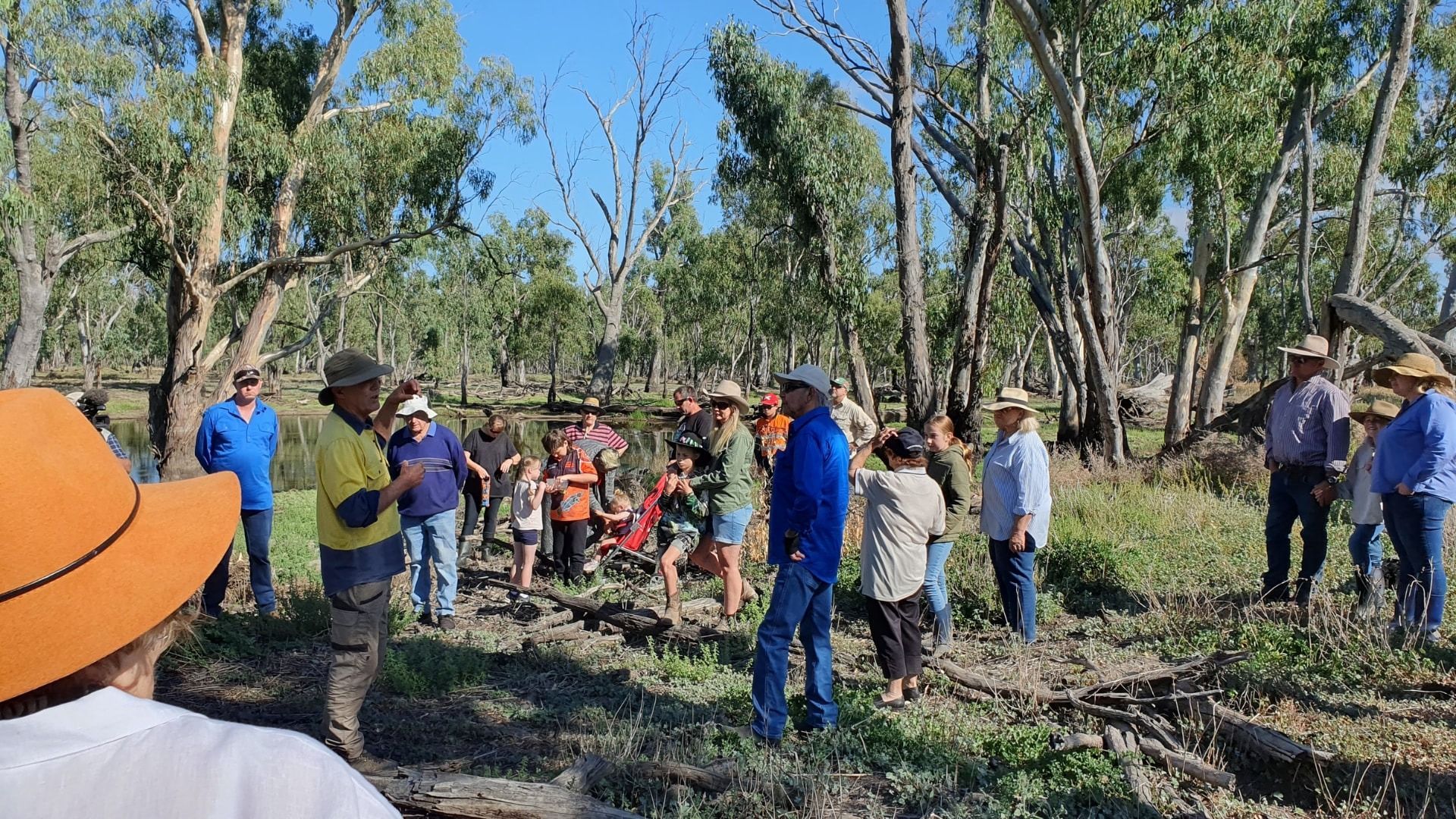
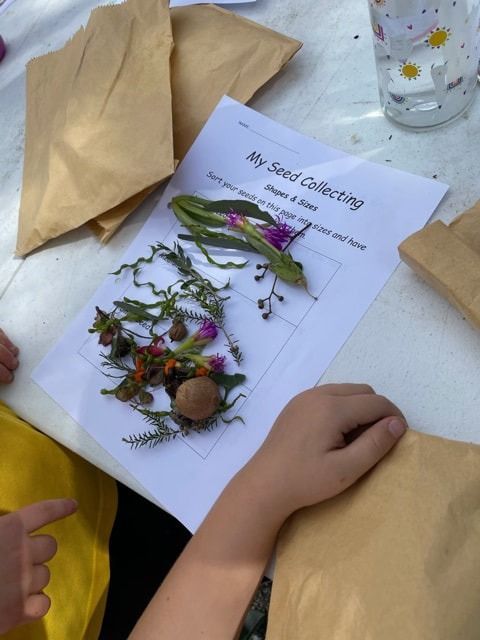
 On the 24th of October 2020, Western Murray Land Improvement Group along with Barham Landcare, held a fun and interactive workshop involving local Primary School children at Federation Reserve in Barham NSW. Two primary school classes from Barham Public School attended the workshop that saw Kindergarten on their very first out of school excursion. They were buddied up with Grade 3/4 and accompanied by 6 teachers and assistants from the school- making the total number of attendees 47. The workshop was facilitated by Barham Landcare volunteer and group treasurer Christine Dartnell and Local Landcare Coordinator (hosted by WMLIG) Stacey Waylen.
October 8, 2026
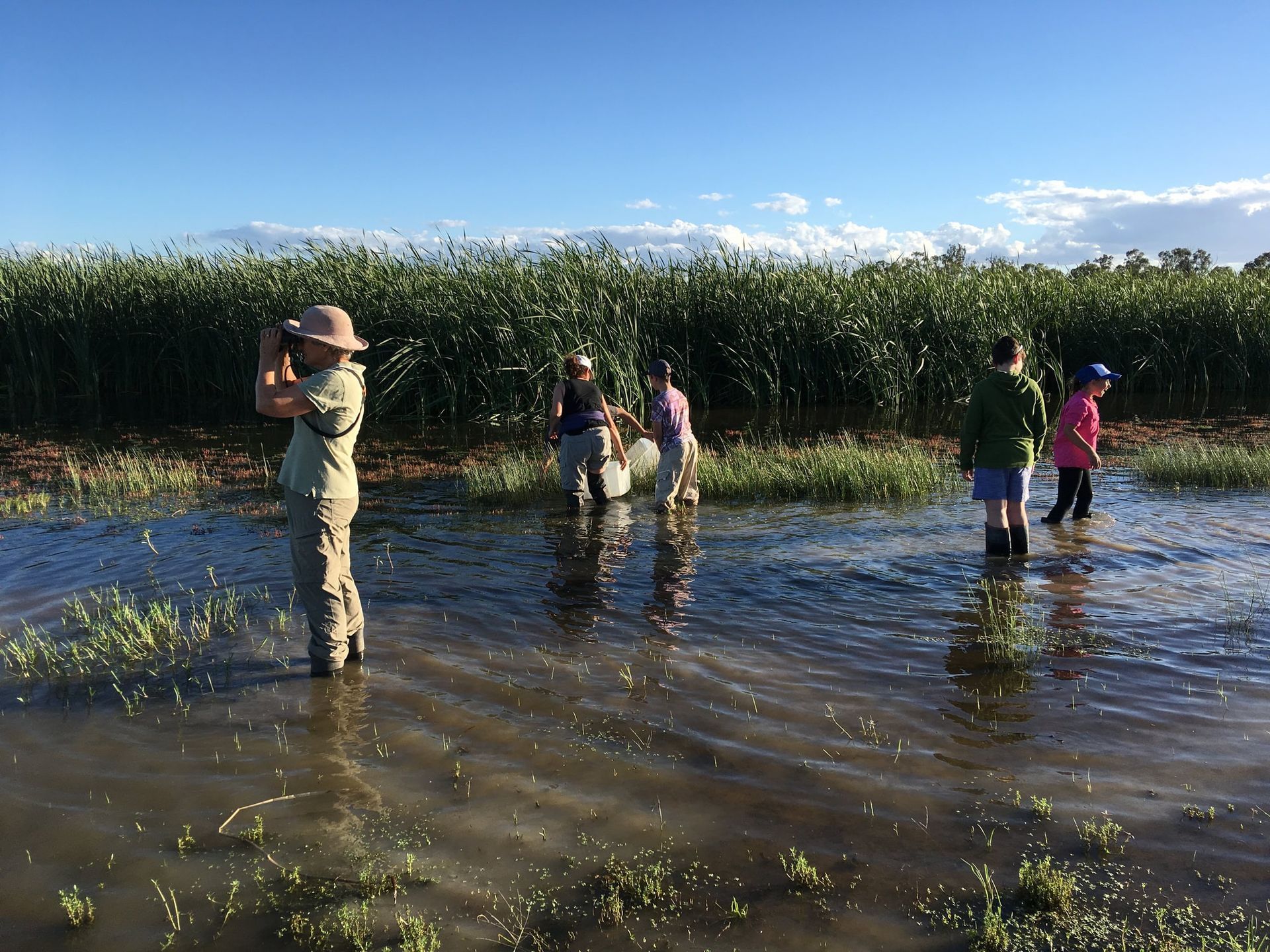
A summary of the day.
By Donna Marateo • October 8, 2026
A summary of the day.
October 8, 2026
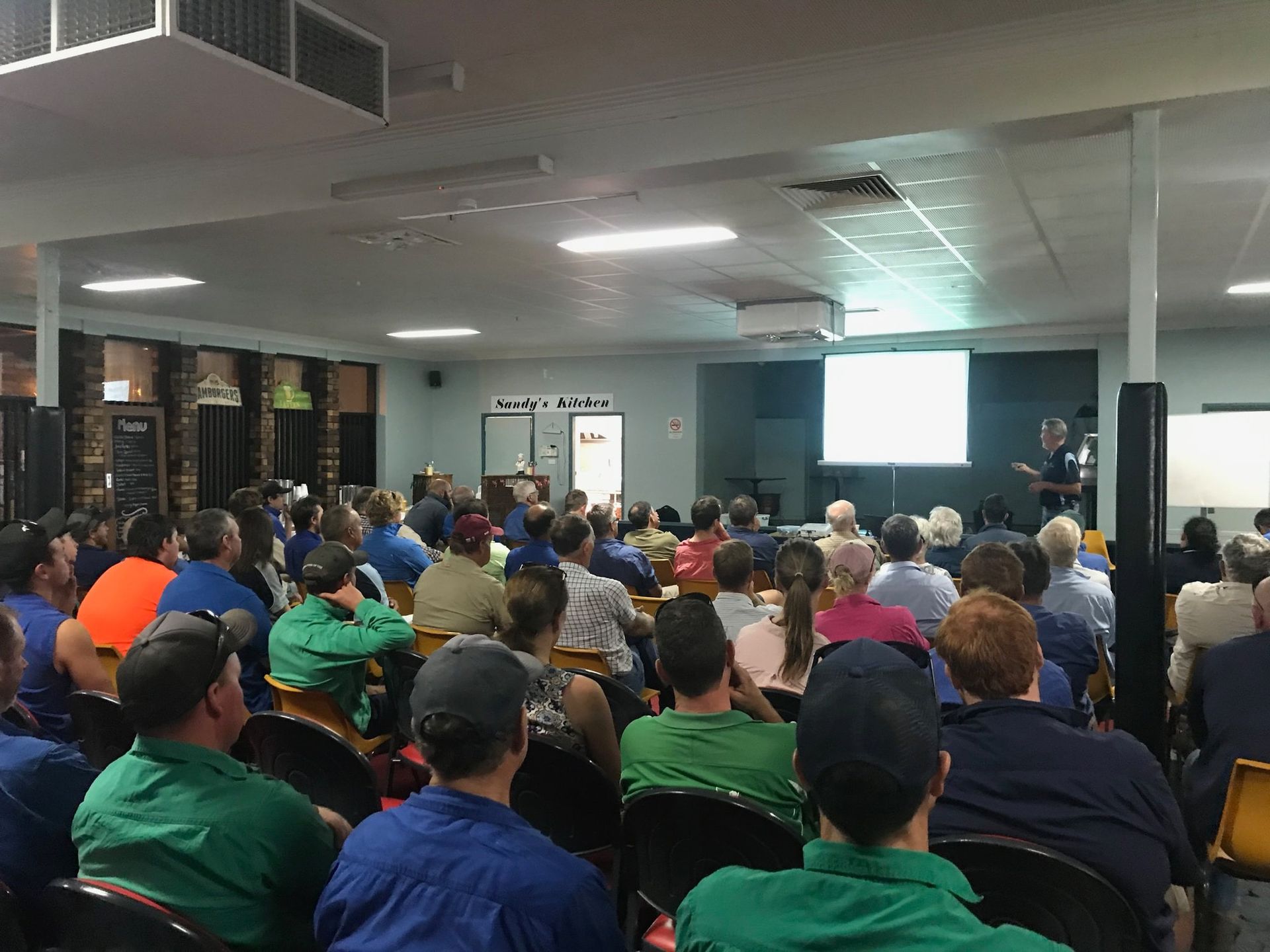
On the 31st of January 2020, over 120 local farmers and agricultural experts attended a Feedlot Information Day held in Wakool. The crowd was a diverse geographical mix, with attendees from Lalbert, Piangil, Moulamein, Barham, Deniliquin and Wakool. As following with the 'young farmer' focus of the event, the majority (42%) of attendees were under 35, while 28% were 35-45 and 37% were 45+. The day began with a workshop at the Wakool Club focused on livestock feedlot considerations. Presenter Geoff Duddy from Sheep Solutions discussed the pro's and con's of feedlotting versus containment feeding, the cost of feed and comparison of different systems. He emphasized the importance of feeding sheep protein to build muscle, wool and encourage growth. The group finished off with an understanding of how feedlots interacted with the whole farm system. Following this presentation, district vet Linda Searle (Murray Local Land Services), educated attendees on the range of livestock diseases or health complications associated with feedlot production systems.
October 2, 2026
Want to keep up to date?
October 2, 2026
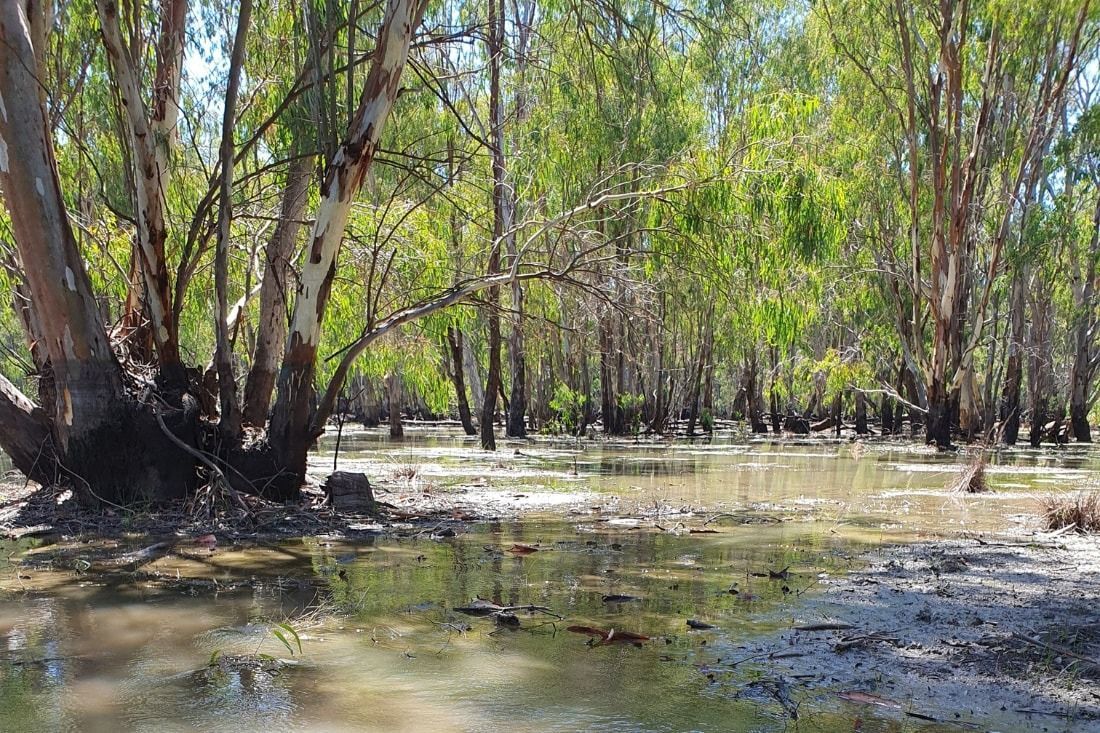
World Wetlands Day 2023
October 2, 2026
​Blackwater events cause mass fish deaths across the Murray-Darling Basin
By John Reynold Tubay • September 29, 2026
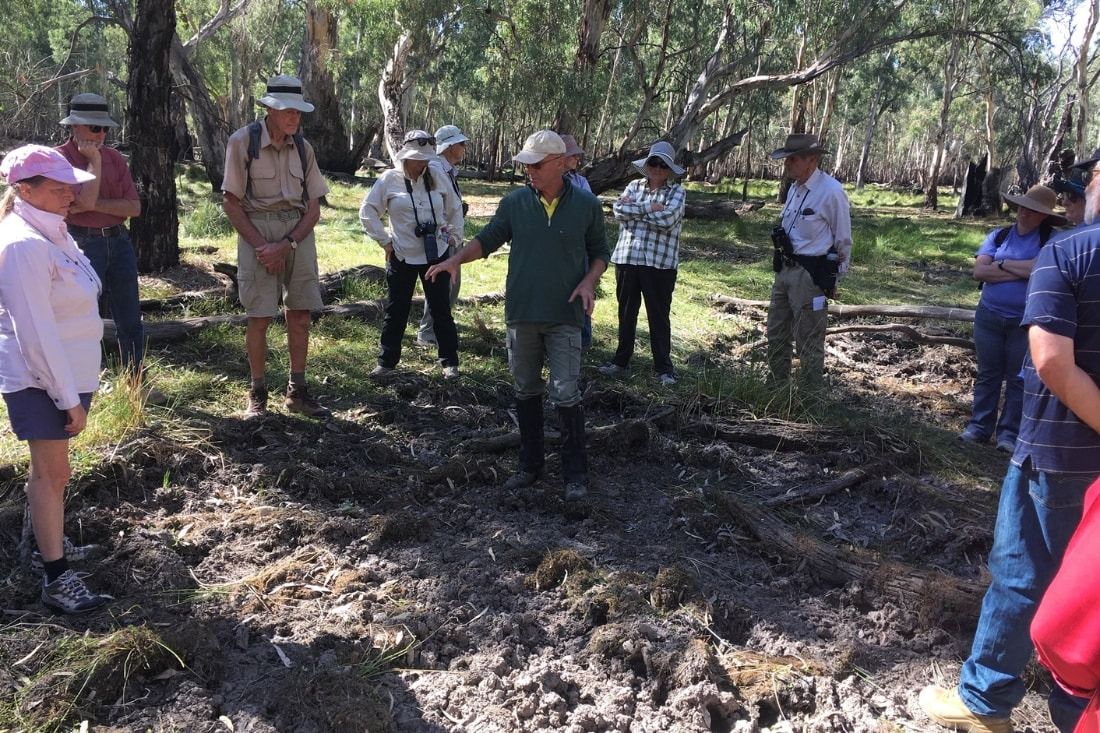
In March 2020, we organised and coordinated a tour for local producers of the Griffith, Whitton and Coleambally areas, in the north-western region of the Riverina region of New South Wales. ​ Whilst it was a challenge in COVID-regulation times, our organisers, Stacey and Amy, did a great job in selecting a line-up of some of the most impressive and inspiring businesses that have successfully innovated existing product or created new products utilising spare capacity. ​ Many of the businesses that the group visited looked at value-adding options, supply chain innovation, collaboration and diversification opportunities.
By John Reynold Tubay • September 29, 2026
Key facts