

River Country Biolink

Share this article

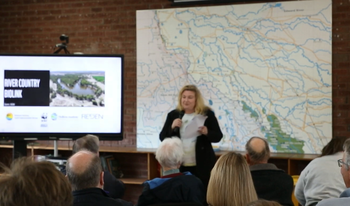
The River Country Biolink Guide


The River Country Biolink Guide is designed to inspire both discussion and action towards regeneration of the Murray River inland delta.   

WMLIG’s The River Country Biolink project, supported by
WWF-Australia, bought together farmers, environmental market experts, ecologists, landscape rehydration experts, and traditional owners to co-design a plan for an environmental product - a hydrated biolink - that complements food and fibre growing and maximises the potential of our region’s man-made and natural capital assets to achieve a premium.   
 
The biolink project was created to be a ‘living business case’ and blueprint for accessing biodiversity and carbon markets.   

The River Country Biolink Guide consists of two parts - an outline of the co-design process and recommendations plus a comprehensive conceptual design report for landscape rehydration of the biolink's Sheep Wash Lagoon and Horseshoe Lagoon by the Mulloon Insitute. 

The complete guide and the two reports can be downloaded here. 


​About the project

​The River Country Biolink project is a response to the emergence of markets in carbon sequestration and biodiversity restoration (nature repair) coupled with global changes in supply chains accounting for impacts on the climate and the natural world herald an enormous shift in business rules. 

Farmers, as land stewards of 55% of the Australian land mass and primary producers at the top of the value chain, are inextricably tied to the challenges and opportunities the changing market dynamics will present.
​
Farming communities in the Murray River inland delta, have already experienced market failure of a natural resource and are determined to ensure the design of emerging environmental markets and accompanying supply chain pressures do not present both perverse incentives and the same rapid transfer of wealth and water from their region and others. 

The River Country Biolink co-design project, a work in progress, is an invitation to think deeply and take action on seeking sustainable ways to resource and be rewarded by whole-of-landscape regeneration as it complements sustainable food and fibre growing. 

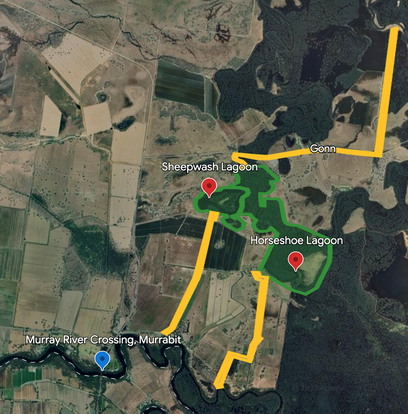
The proposed River Country Biolink at Gonn, NSW: Up to 10km x average 30m of wildlife corridors extending from the Murray River towards the Wakool River. Landscape rehydration of Sheep Wash Lagoon and Horseshoe Lagoon are a focus of the project.

Recent Projects

October 8, 2026
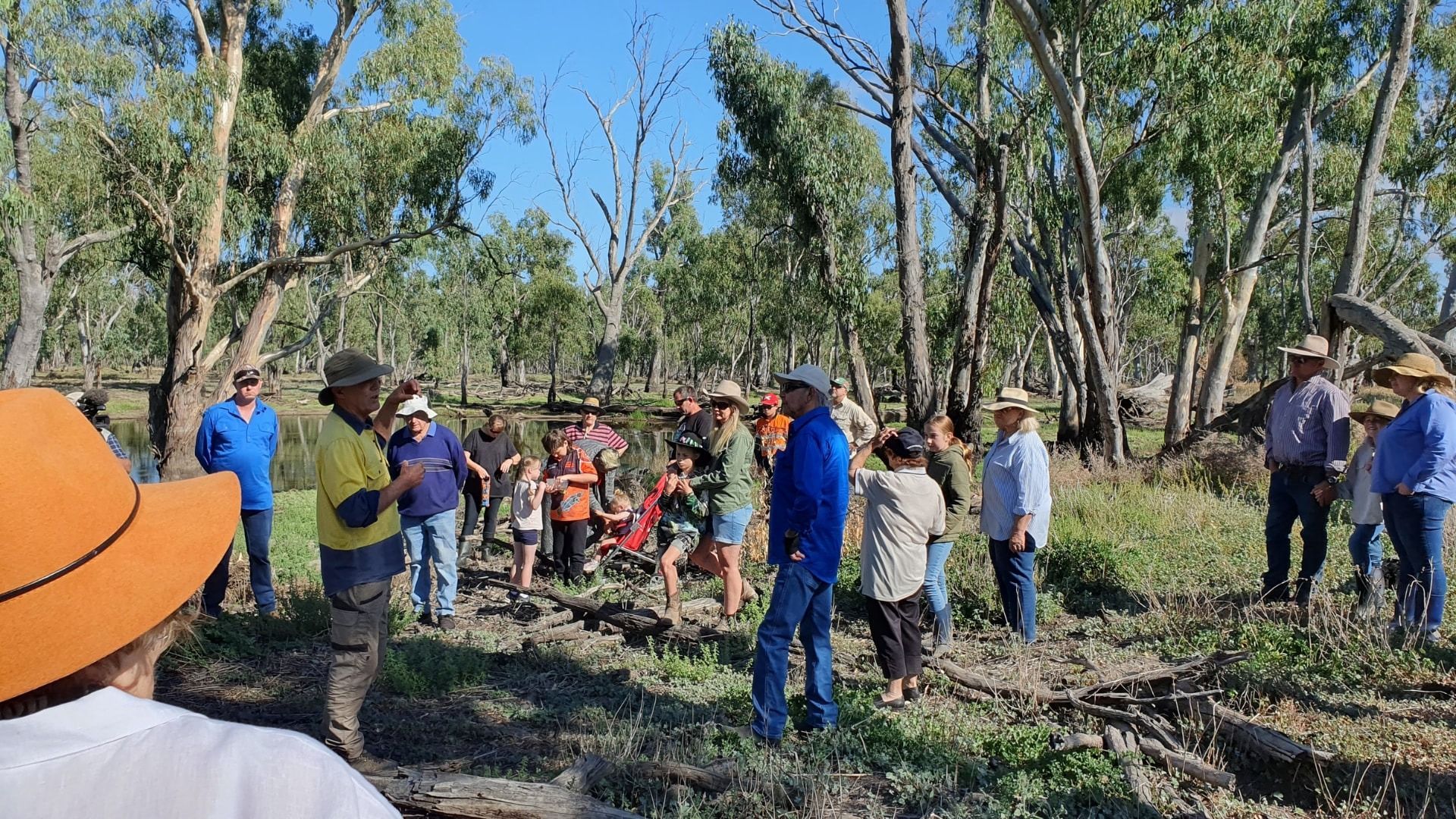
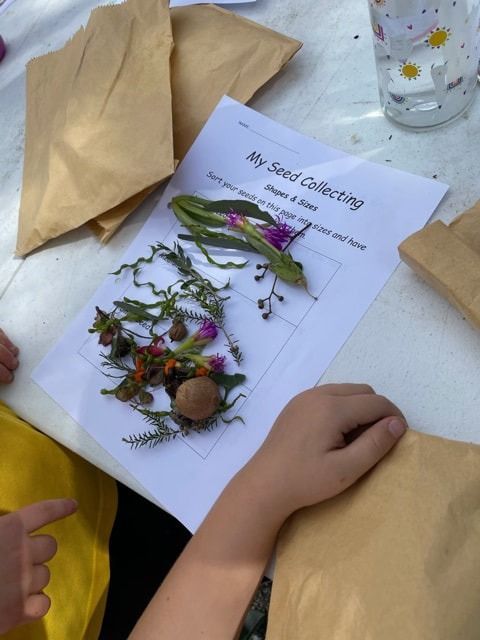
 On the 24th of October 2020, Western Murray Land Improvement Group along with Barham Landcare, held a fun and interactive workshop involving local Primary School children at Federation Reserve in Barham NSW. Two primary school classes from Barham Public School attended the workshop that saw Kindergarten on their very first out of school excursion. They were buddied up with Grade 3/4 and accompanied by 6 teachers and assistants from the school- making the total number of attendees 47. The workshop was facilitated by Barham Landcare volunteer and group treasurer Christine Dartnell and Local Landcare Coordinator (hosted by WMLIG) Stacey Waylen.
October 8, 2026
A summary of the day.
By Donna Marateo • October 8, 2026
A summary of the day.
October 8, 2026
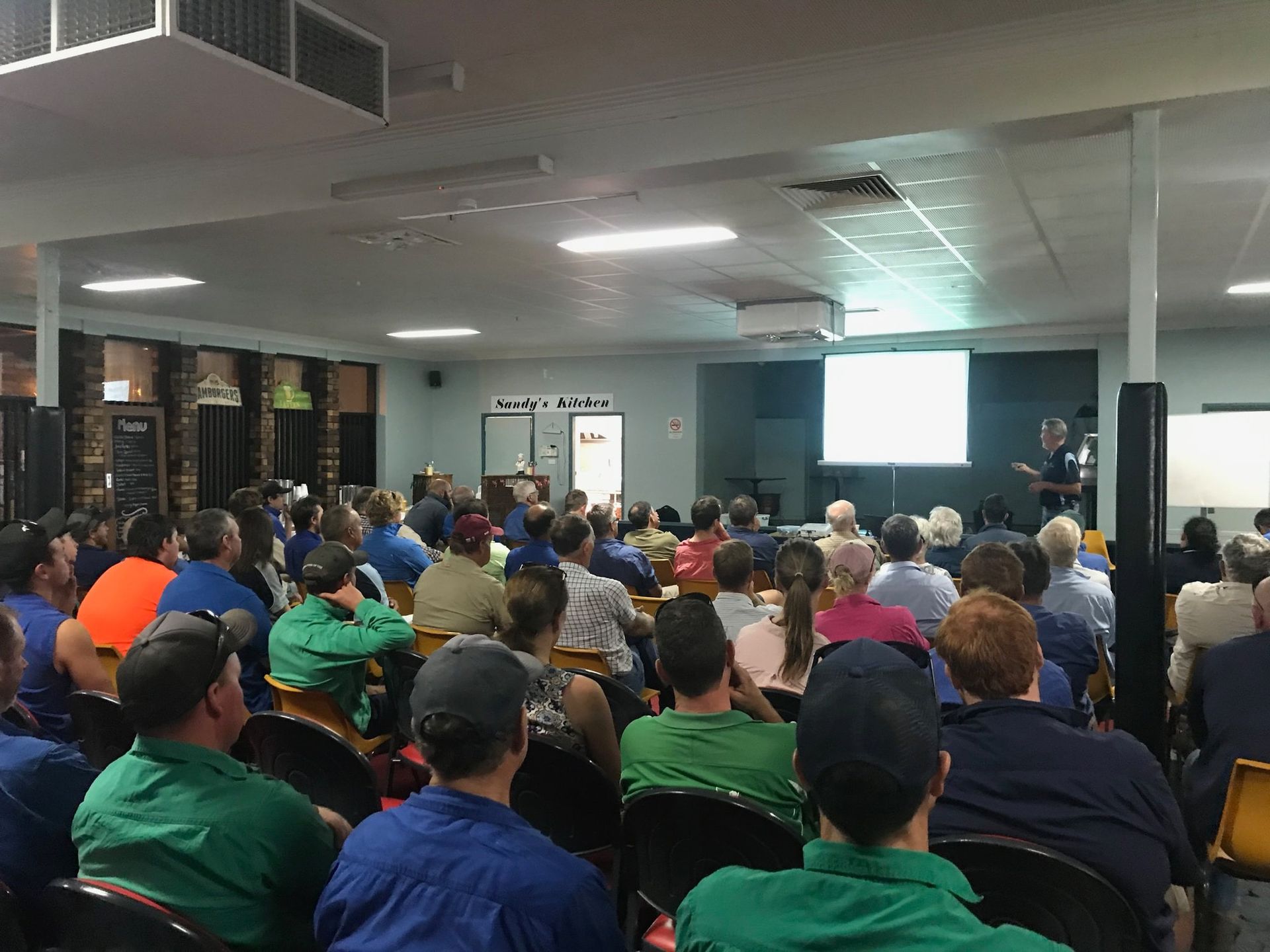
On the 31st of January 2020, over 120 local farmers and agricultural experts attended a Feedlot Information Day held in Wakool. The crowd was a diverse geographical mix, with attendees from Lalbert, Piangil, Moulamein, Barham, Deniliquin and Wakool. As following with the 'young farmer' focus of the event, the majority (42%) of attendees were under 35, while 28% were 35-45 and 37% were 45+. The day began with a workshop at the Wakool Club focused on livestock feedlot considerations. Presenter Geoff Duddy from Sheep Solutions discussed the pro's and con's of feedlotting versus containment feeding, the cost of feed and comparison of different systems. He emphasized the importance of feeding sheep protein to build muscle, wool and encourage growth. The group finished off with an understanding of how feedlots interacted with the whole farm system. Following this presentation, district vet Linda Searle (Murray Local Land Services), educated attendees on the range of livestock diseases or health complications associated with feedlot production systems.
October 2, 2026
Want to keep up to date?
October 2, 2026
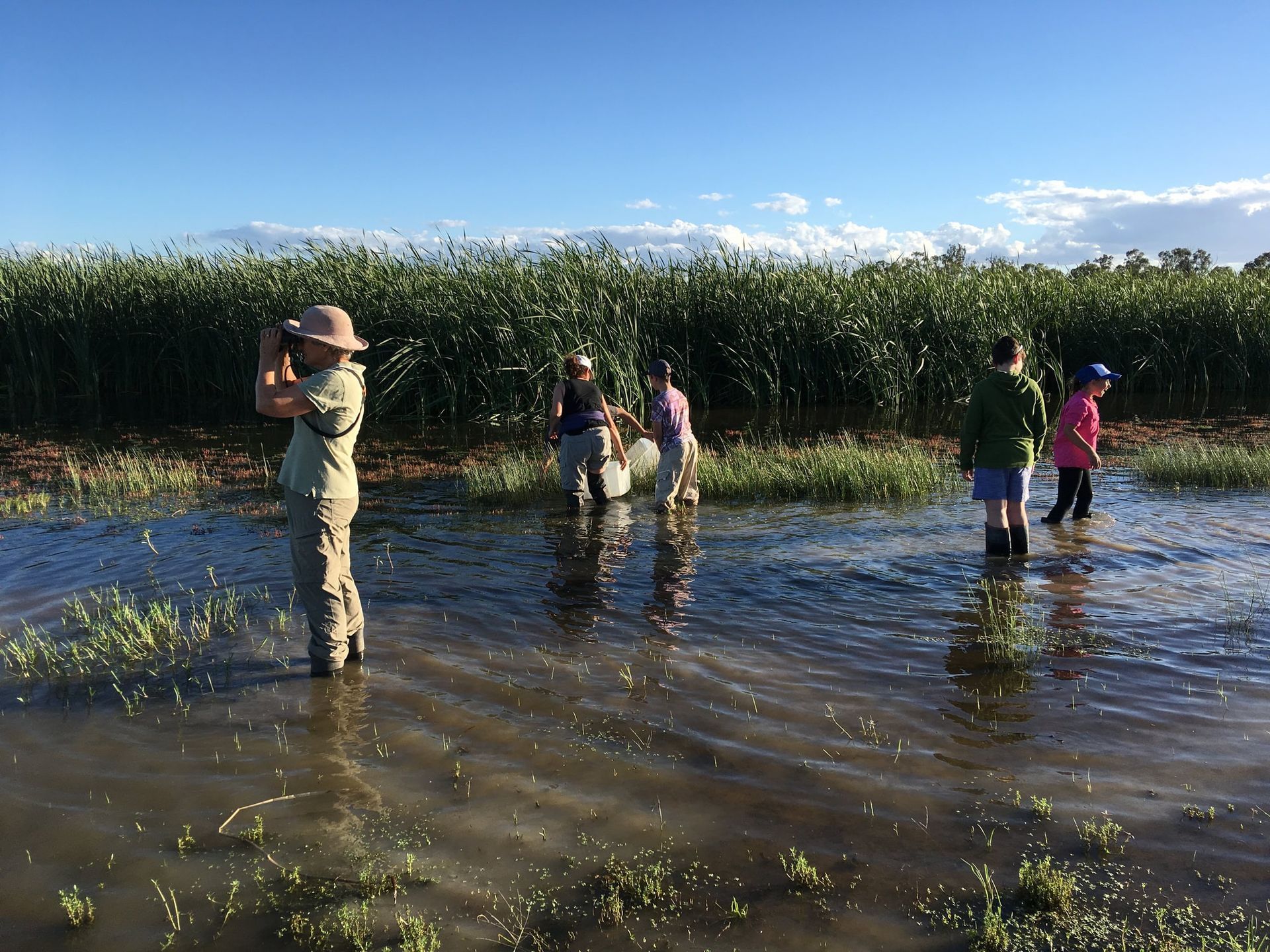
World Wetlands Day 2023
October 2, 2026
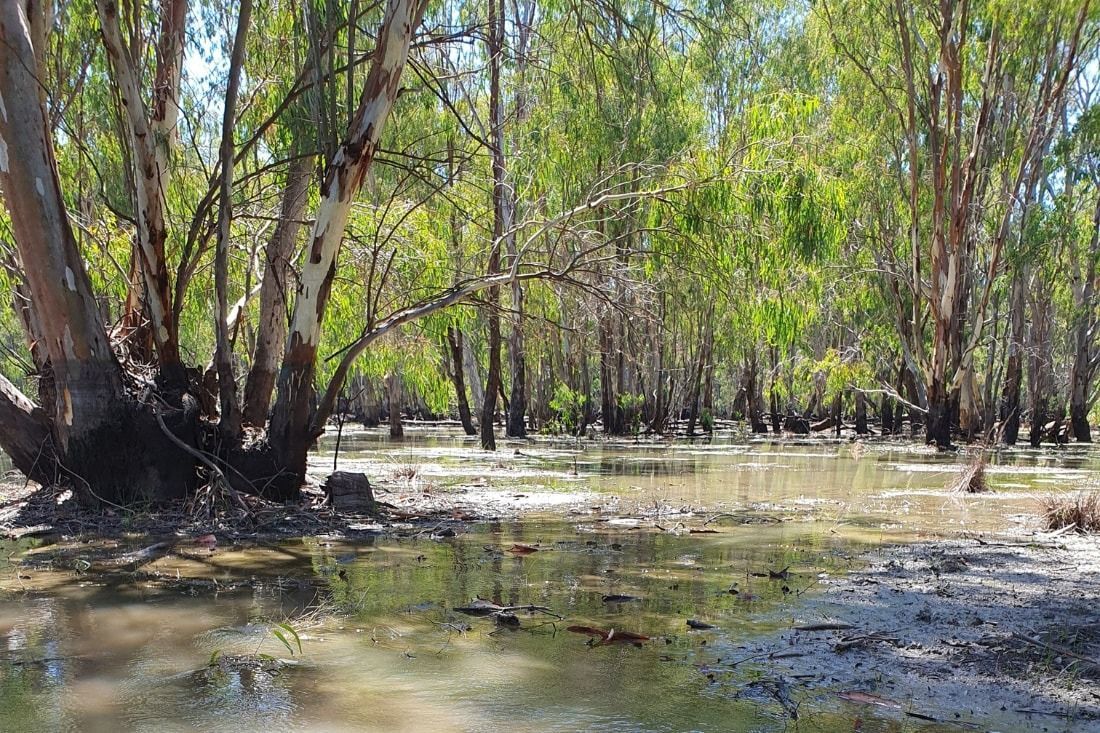
​Blackwater events cause mass fish deaths across the Murray-Darling Basin
By John Reynold Tubay • September 29, 2026
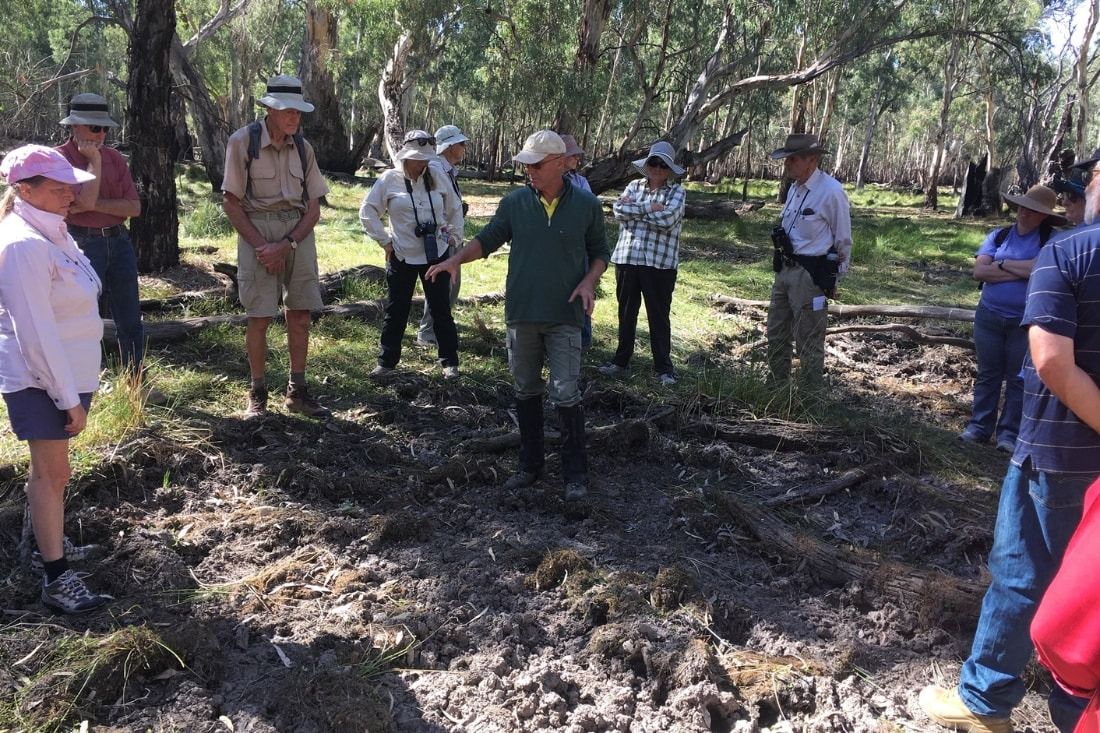
In March 2020, we organised and coordinated a tour for local producers of the Griffith, Whitton and Coleambally areas, in the north-western region of the Riverina region of New South Wales. ​ Whilst it was a challenge in COVID-regulation times, our organisers, Stacey and Amy, did a great job in selecting a line-up of some of the most impressive and inspiring businesses that have successfully innovated existing product or created new products utilising spare capacity. ​ Many of the businesses that the group visited looked at value-adding options, supply chain innovation, collaboration and diversification opportunities.
By John Reynold Tubay • September 29, 2026
Key facts