
Tackling Tough Times Together

Share this article

Project Summary


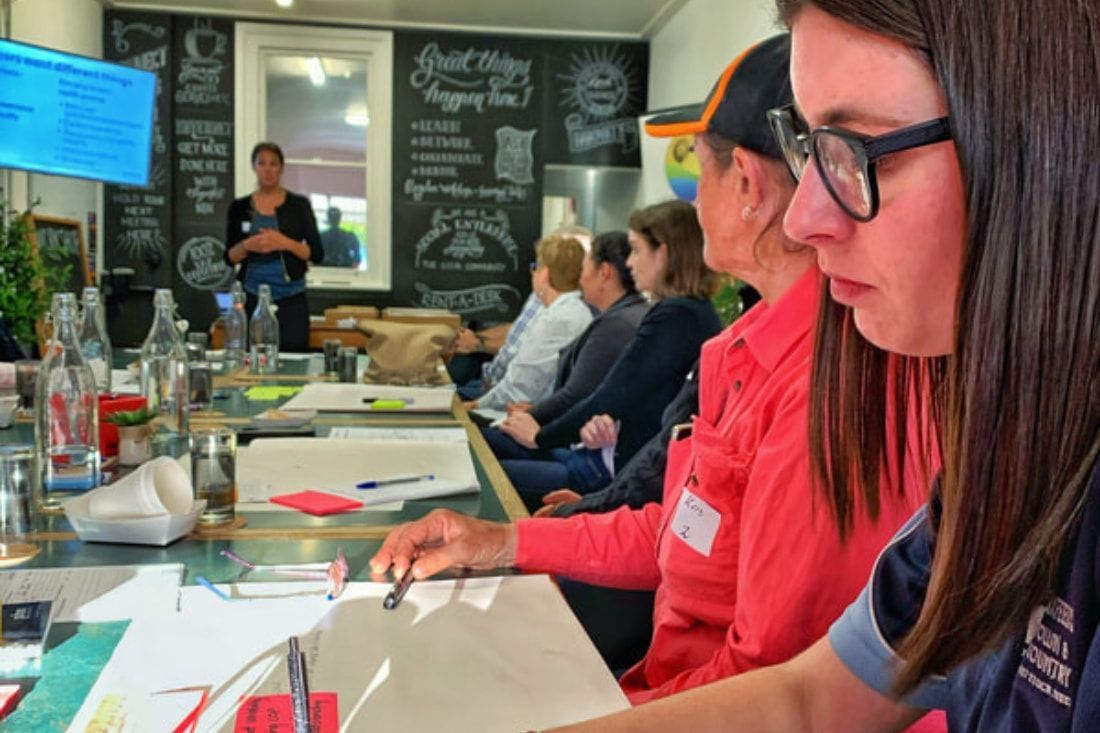
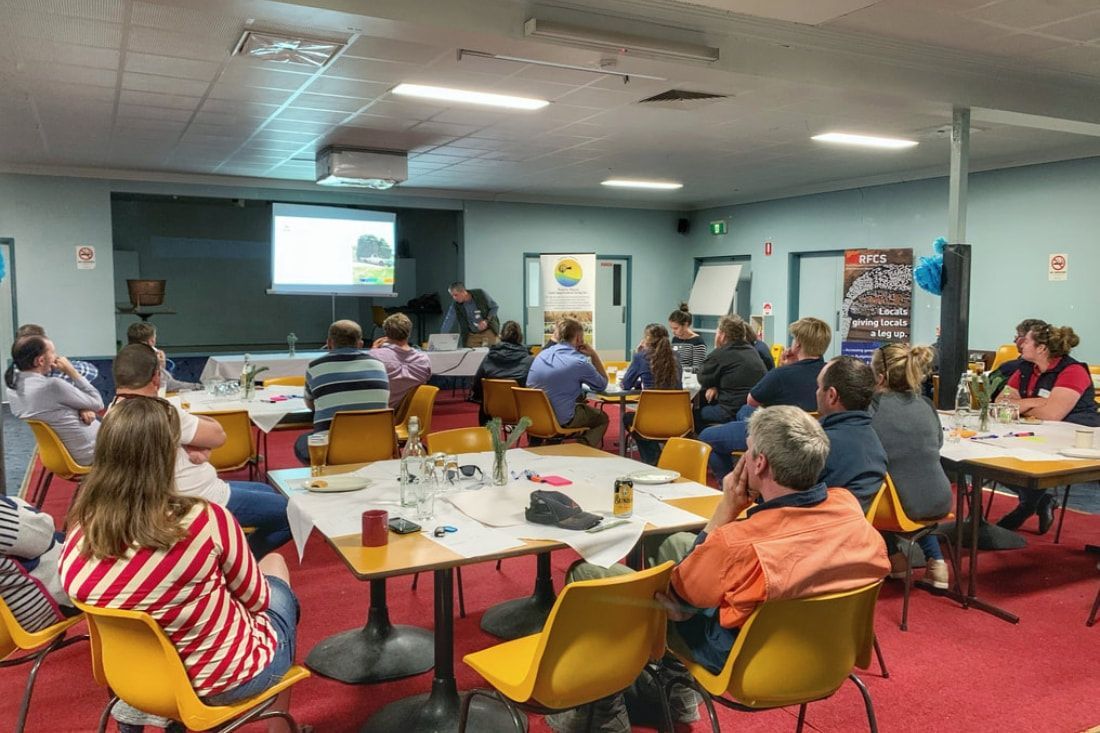
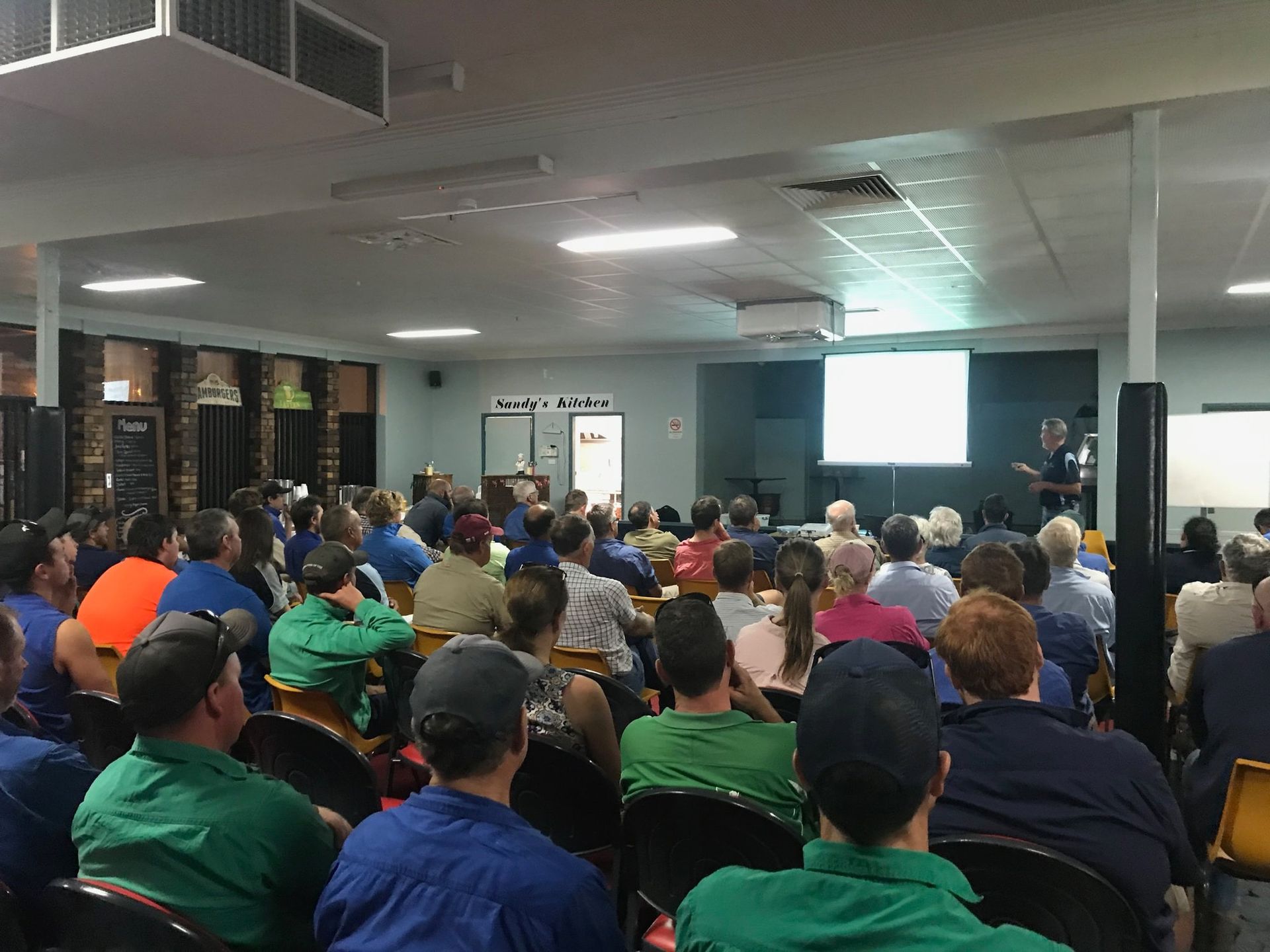
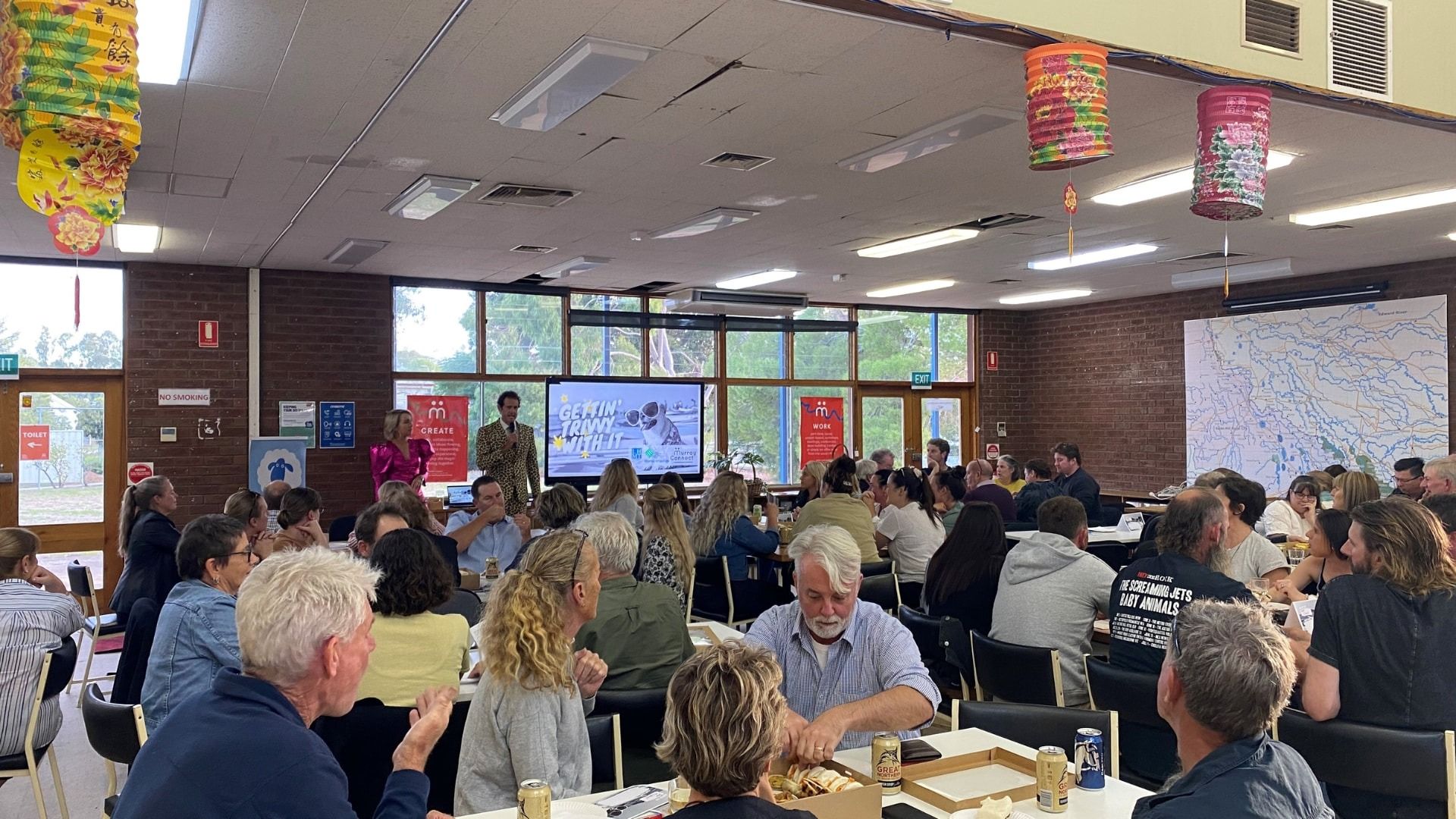
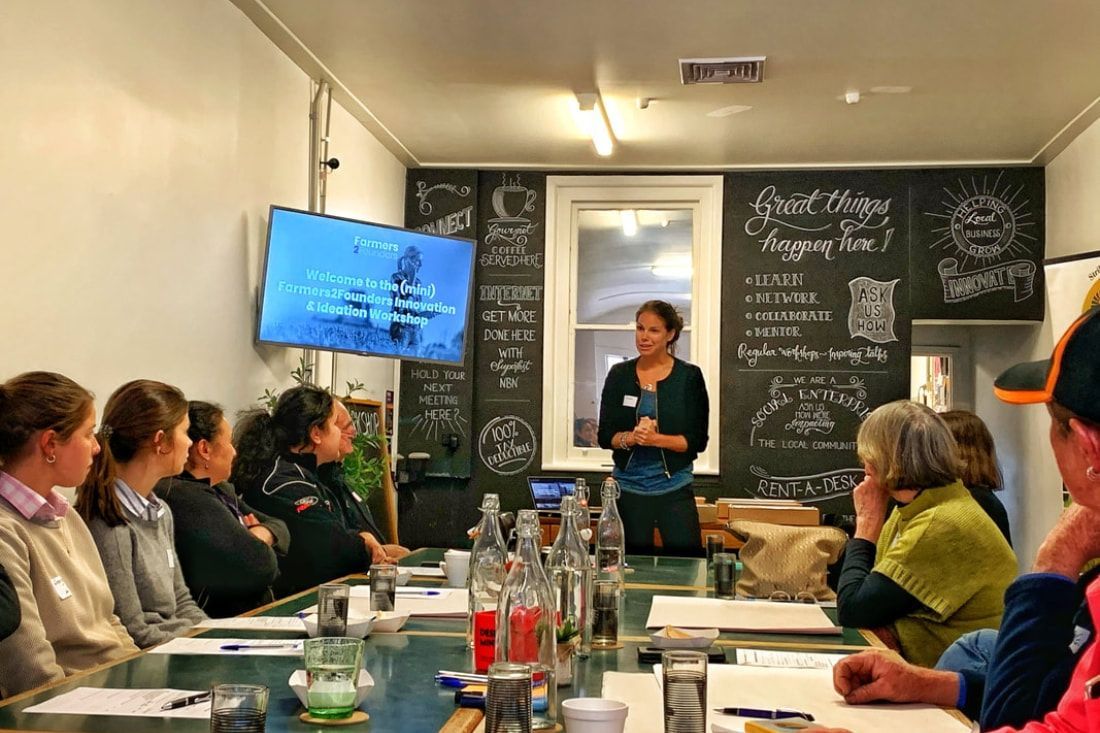
A diverse group of 64 people attended the Tackling Tough Times Together workshops on the 8th & 9th of October 2019, at Mallee Rising in Swan Hill, the Moulamein Bowling Club and the Wakool District Services Club. 

The key theme for these events was innovation and diversification opportunities to drive resilient, sustainable business within the region. As part of this, guest presenter Sarah Nolet travelled from Sydney to facilitate three mini-workshop activities from the
Farmers2Founders national innovation program. The workshop activity was supported by presentations from Paul Dillon, founder of Mallee Rising, which operates as a local social enterprise/co-working space, and Tony Flett who is a NSW Rural Financial Counsellor based in Deniliquin, NSW.

The Solution


Sarah encouraged participants to interact by suggesting they find someone they didn’t know and learn about any innovations they had undertaken or agtech they had recently integrated into their business. Afterwards, they were asked to form groups of 4-6 people who weren’t familiar with each other. This tactic immediately eased any tension in the room, resulting in some lighthearted banter and few wry jokes. One of which included Sarah’s introduction of herself:

“I was raised on a small hobby farm in Silicon Valley, California, where my father and I mostly grew rocks and squirrels. It wasn’t until I went on a gap year that I really started to find my passion for agriculture.”


However, one of her most important tactics was to lay down ground rules at the start of the workshop:

“While I know it is a key factor in your business right now, I want to ban the use of the ‘D’ and ‘W’ words today: drought and water. They are very important but unfortunately I don’t have the solutions to them, otherwise I would be presenting about something very different. What I can help with is looking at other current trends in the agricultural industry, like changing consumer demand or new agricultural technologies.”

​Sarah asked numerous questions which caused groups to pool their knowledge and experience with existing agtech and link these with current threats and opportunities. She provided inspiring examples of businesses which had successfully innovated, adopted agtech, value added to existing products or connected with consumers to increase market demand. Finally, she opened the floor to anyone who had innovated within their business to share their experience.

Paul followed on from Sarah’s presentation in Swan Hill to explain his experience with digital disruption and agtech, including the opportunities he can see for local business:

“The future for co-working spaces as innovation hubs in a region is huge, just recently we ran the Digital Innovation Festival in Swan Hill, which brought in a range of innovators to share their experience with business owners. One such entrepreneur, Thingc Robotics showcased their autonomous robotic weeder which was developed to address horticultural labour shortages. I believe there is a lot of opportunity for us to be part of connecting businesses with technology and this will have positive implications for the local economy.” 

In Moulamein and Wakool, Tony kicked off the day by detailing what drought support is available for producers in NSW and how it could relate to their business. Although this was a different speed to the innovation presentations, Tony explained how he used some of the positive mentality that Sarah encouraged to push his clients:

“I like to challenge my clients to test the assumptions they are using to make decisions. Some of the funding options allow businesses to make changes now, not only to cope with trying conditions but also to be ready to capture opportunities once the conditions improve.”

The impact


Organiser, Laura Kaylock was impressed by the community response to these events.

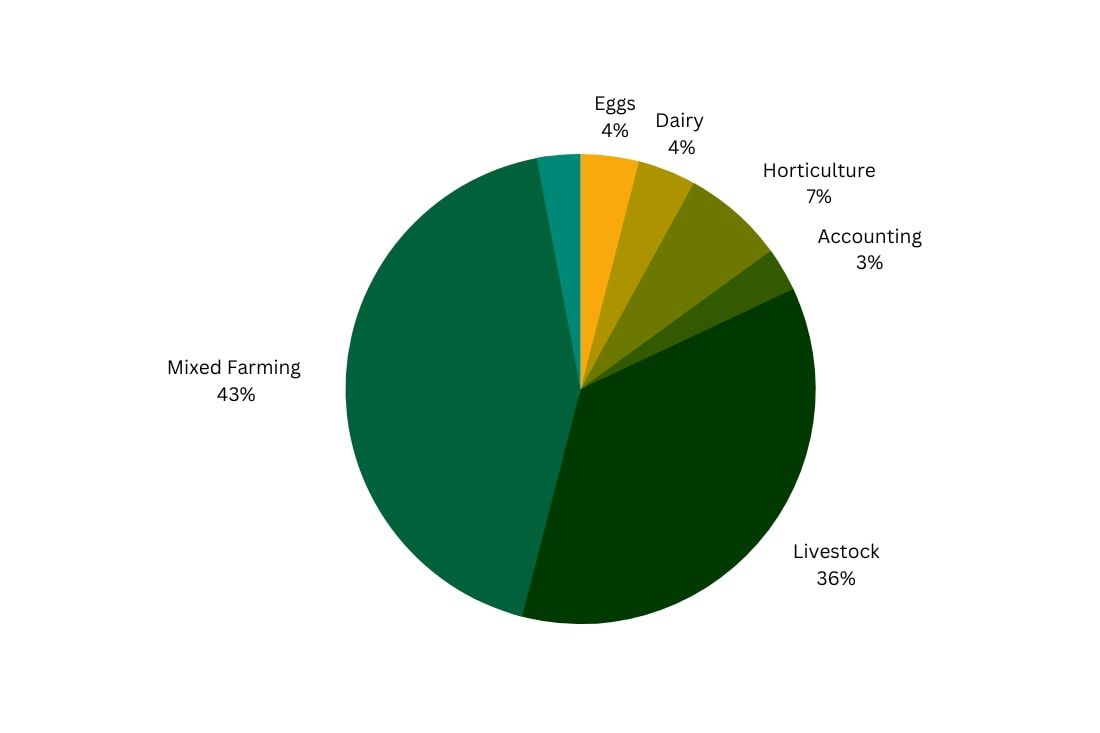
“We had a great mix of age, agricultural backgrounds and an even split of genders. All of which contributed to some interesting discussion on innovation and opportunities for local businesses. Everyone left with a smile on their face, which really was the best part of it all. Times are tough, and it’s important that we stick together.”


At the end of the workshops, participants were asked what they would change in their business/job after the workshop, some responses included:

  • Be aware of technology and how it can improve profitability
  • Consider consumer trends and think about linking ideas with companies
  • Start working on using tech in pastures & crops, improve livestock ID and record keeping

Participants felt that the most useful part of the workshops were:

  • To learn what agtech is being used in the local farming area
  • Being able to network with likeminded, innovative people
  • Using a positive approach to encourage progress & innovation 


Recent Projects

October 8, 2026
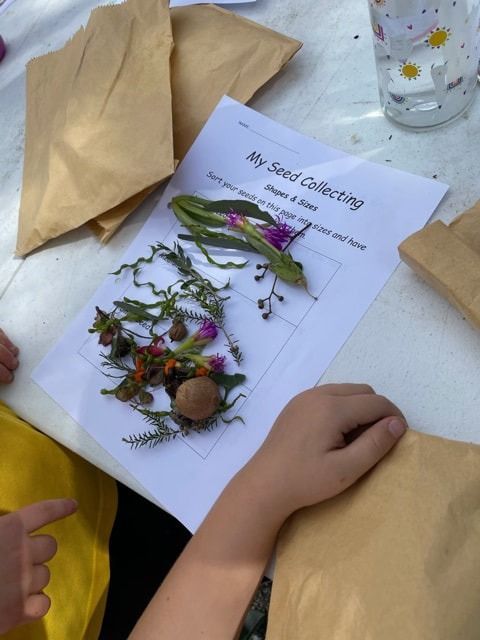
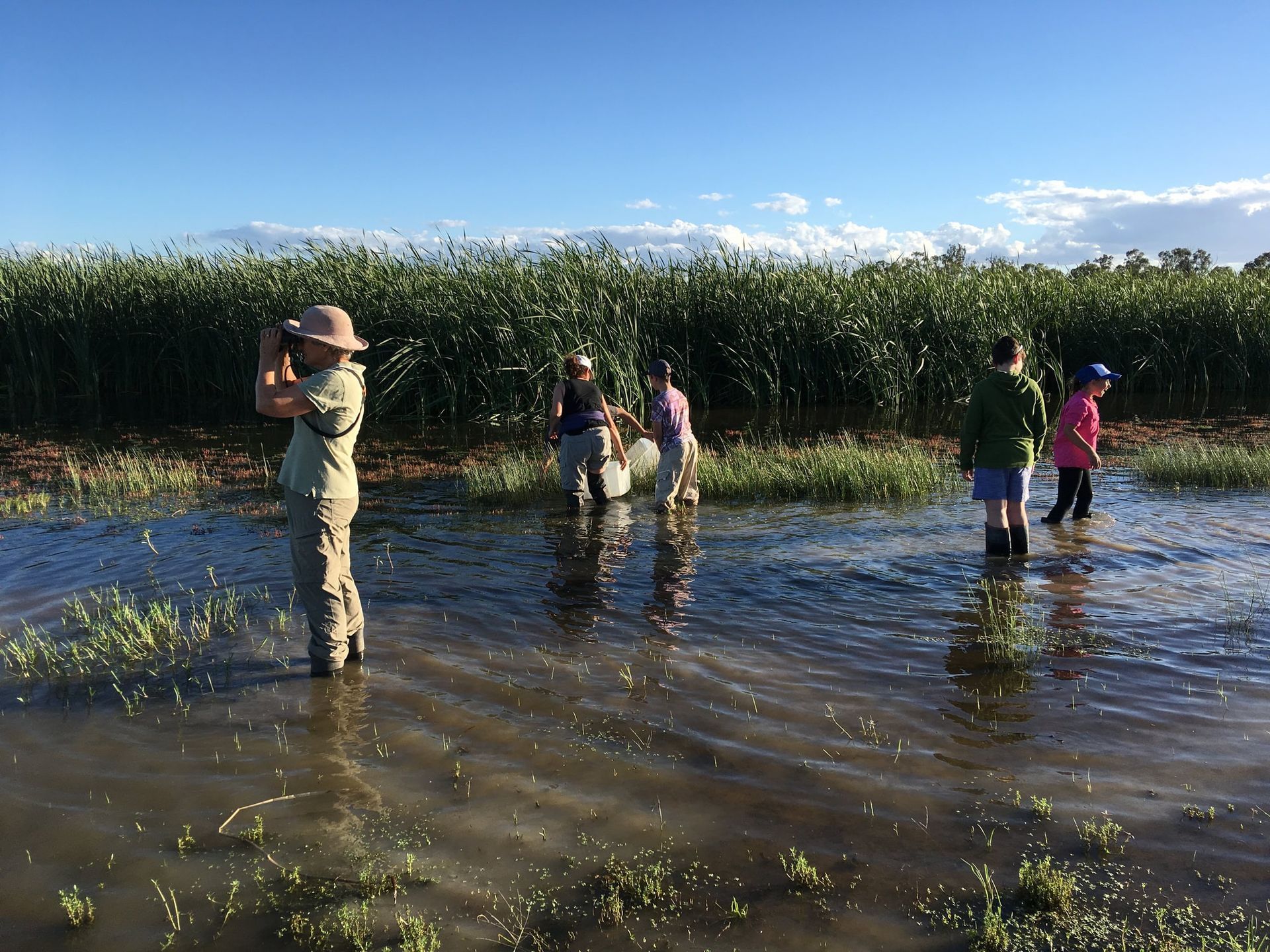
 On the 24th of October 2020, Western Murray Land Improvement Group along with Barham Landcare, held a fun and interactive workshop involving local Primary School children at Federation Reserve in Barham NSW. Two primary school classes from Barham Public School attended the workshop that saw Kindergarten on their very first out of school excursion. They were buddied up with Grade 3/4 and accompanied by 6 teachers and assistants from the school- making the total number of attendees 47. The workshop was facilitated by Barham Landcare volunteer and group treasurer Christine Dartnell and Local Landcare Coordinator (hosted by WMLIG) Stacey Waylen.
October 8, 2026
A summary of the day.
By Donna Marateo • October 8, 2026
A summary of the day.
October 8, 2026
On the 31st of January 2020, over 120 local farmers and agricultural experts attended a Feedlot Information Day held in Wakool. The crowd was a diverse geographical mix, with attendees from Lalbert, Piangil, Moulamein, Barham, Deniliquin and Wakool. As following with the 'young farmer' focus of the event, the majority (42%) of attendees were under 35, while 28% were 35-45 and 37% were 45+. The day began with a workshop at the Wakool Club focused on livestock feedlot considerations. Presenter Geoff Duddy from Sheep Solutions discussed the pro's and con's of feedlotting versus containment feeding, the cost of feed and comparison of different systems. He emphasized the importance of feeding sheep protein to build muscle, wool and encourage growth. The group finished off with an understanding of how feedlots interacted with the whole farm system. Following this presentation, district vet Linda Searle (Murray Local Land Services), educated attendees on the range of livestock diseases or health complications associated with feedlot production systems.
October 2, 2026
Want to keep up to date?
October 2, 2026
World Wetlands Day 2023
October 2, 2026
​Blackwater events cause mass fish deaths across the Murray-Darling Basin
By John Reynold Tubay • September 29, 2026
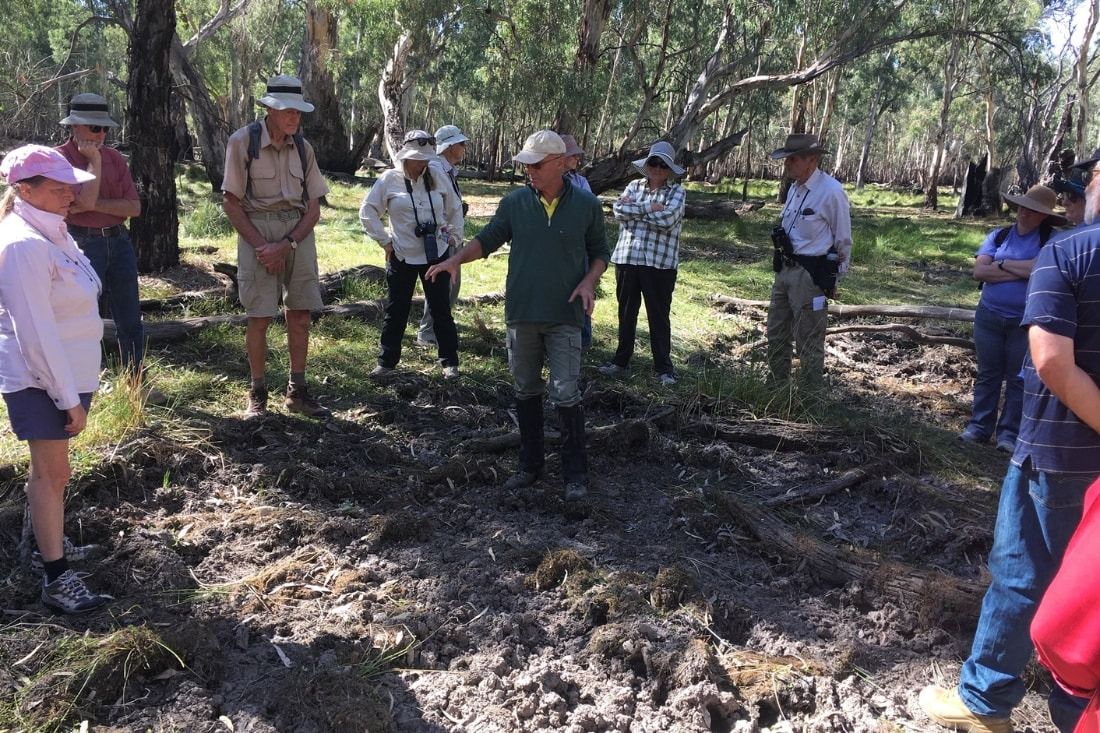
In March 2020, we organised and coordinated a tour for local producers of the Griffith, Whitton and Coleambally areas, in the north-western region of the Riverina region of New South Wales. ​ Whilst it was a challenge in COVID-regulation times, our organisers, Stacey and Amy, did a great job in selecting a line-up of some of the most impressive and inspiring businesses that have successfully innovated existing product or created new products utilising spare capacity. ​ Many of the businesses that the group visited looked at value-adding options, supply chain innovation, collaboration and diversification opportunities.
By John Reynold Tubay • September 29, 2026
Key facts