Reconnecting River Country

Share this article

Western Murray Land Improvement Group (WMLIG) collaborated with the NSW government's Reconnecting River Country Program (RRCP) to gather feedback from the community about removing barriers that hinder water delivery for the environment in the southern-connected Murray-Darling Basin. Through 7 regional events held over two months, WMLIG engaged landholders and community members, resulting in a detailed 72-page "Data to Actionable Insight" report.


The report covered community opinions on various aspects, including flow options, inundation extent, environmental risks and benefits, mitigation measures, landholder negotiation, and community co-design. It contained valuable information gleaned from workshops, surveys, meetings, and conversations, along with 130 geo-located constraints suggestions within more than 200 comments from participants.


Constraints, referring to obstacles in water flow, were identified as barriers to maintaining healthy river, wetland, and floodplain ecosystems. The RRCP aimed to address these impediments, which had been persistently problematic despite previous government efforts. In response, the program underwent a relaunch after community consultation, with selected community organizations leading local feedback projects for improved engagement.


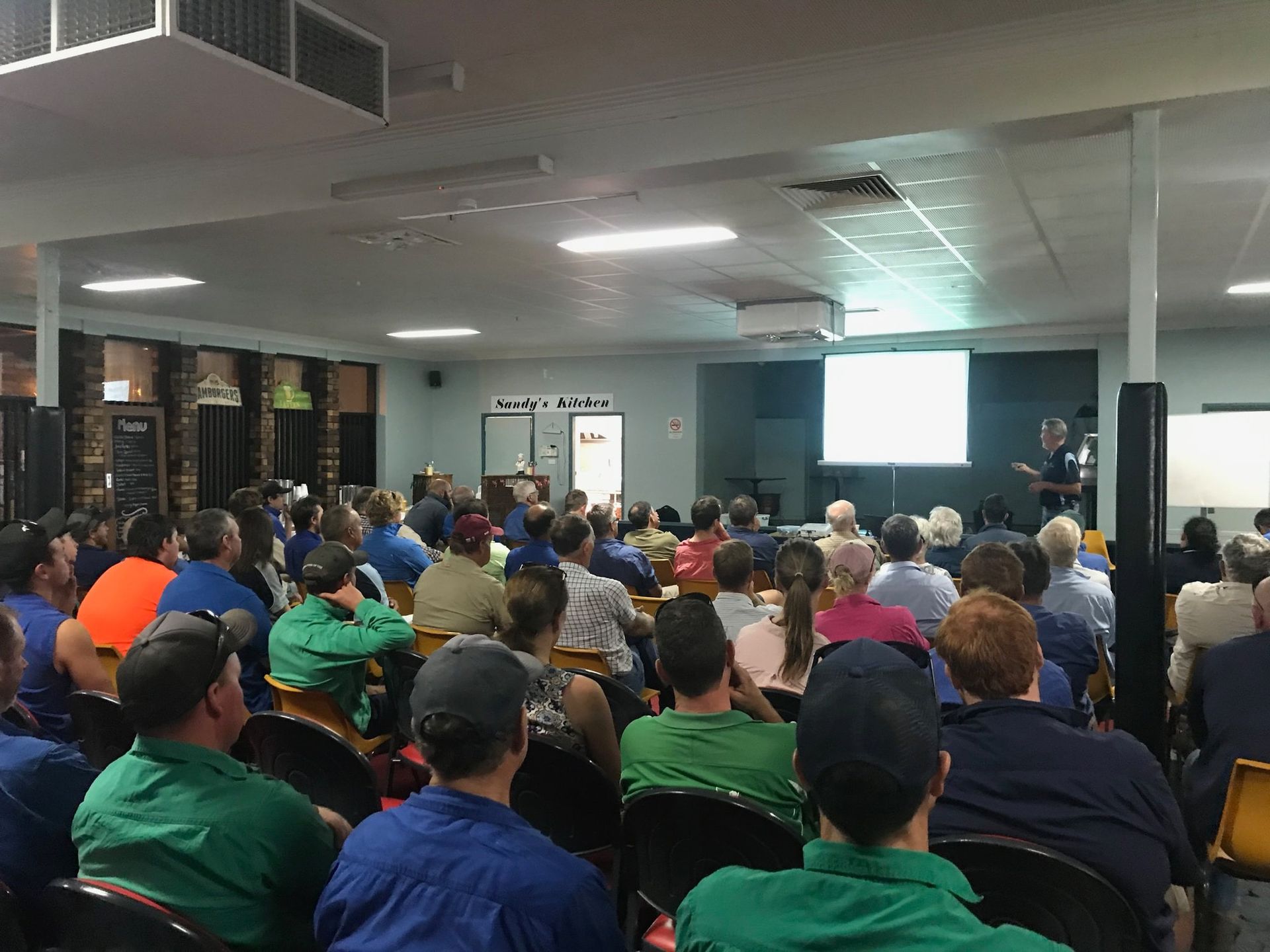
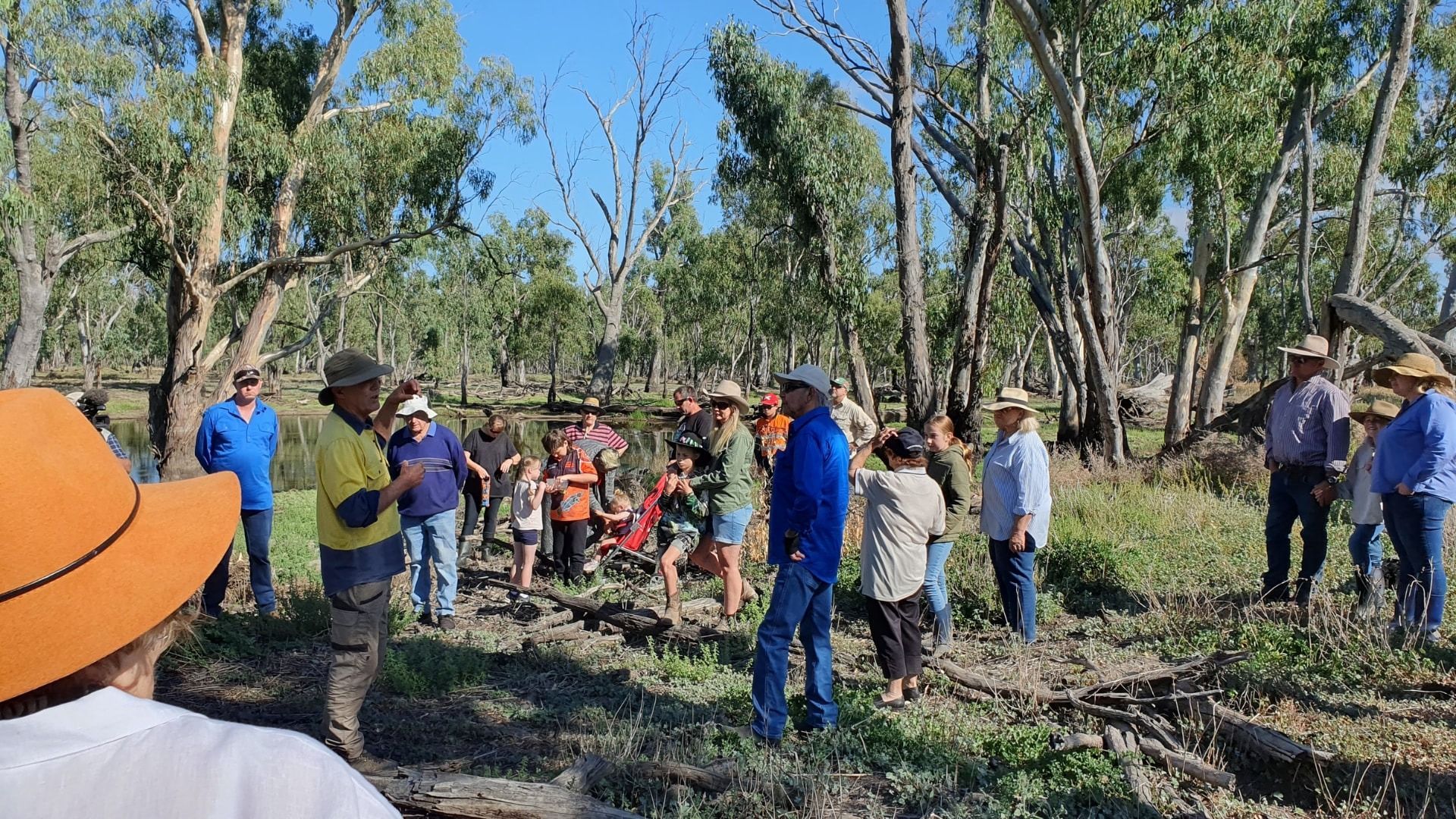
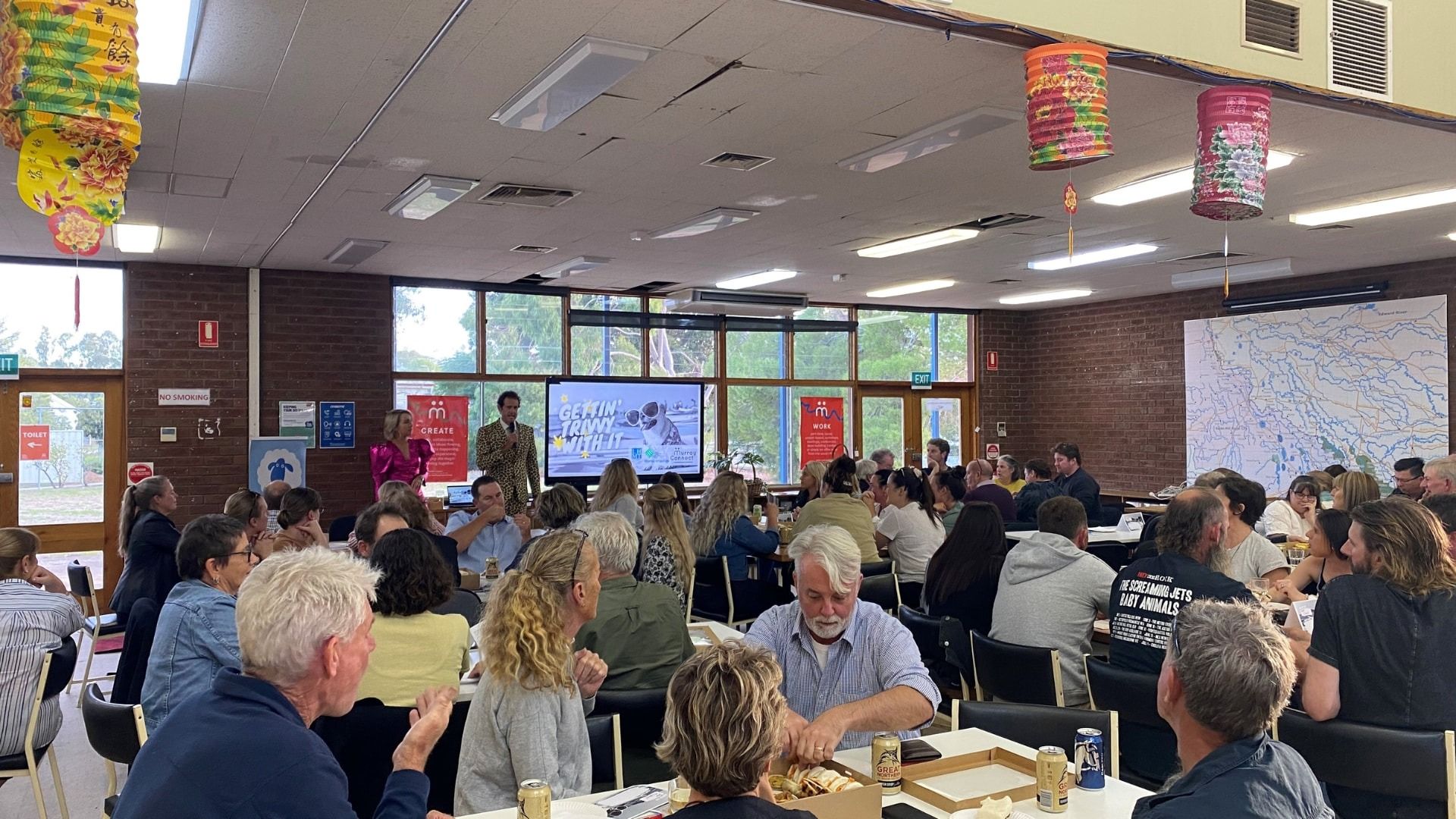
WMLIG orchestrated an extensive engagement campaign encompassing workshops, an online survey, meetings, and media outreach. Workshops held across the Murray inland delta involved ecologists and experts who facilitated discussions and collected data on proposed flow options and inundation maps. A working dinner and surveys further captured insights on negotiation frameworks, mitigation measures, and potential impacts.

​

The outcome was a distinct contribution to the ongoing struggle to remove constraints in environmental water management. The community-led process was lauded for its effectiveness compared to previous government-led efforts. The report highlighted the abundance of local knowledge and commitment to addressing environmental issues associated with RRCP's flow scenarios. However, it also noted skepticism about governments' ability to access and utilize this valuable knowledge effectively.


WMLIG's experience revealed that deeper engagement led by local experts can yield valuable information for programs that previously faced engagement challenges. The positive feedback centered on the combination of government information and local knowledge, though concerns remained due to the lack of complete government data for environmental risk assessments. The report concludes that the community's recommendations are a step toward progress, but their adoption by RRCP leaders remains uncertain.


Full report can be viewed below. 

​

This project was funded by the NSW Department of Planning and Environment.

Recent Projects

October 8, 2026
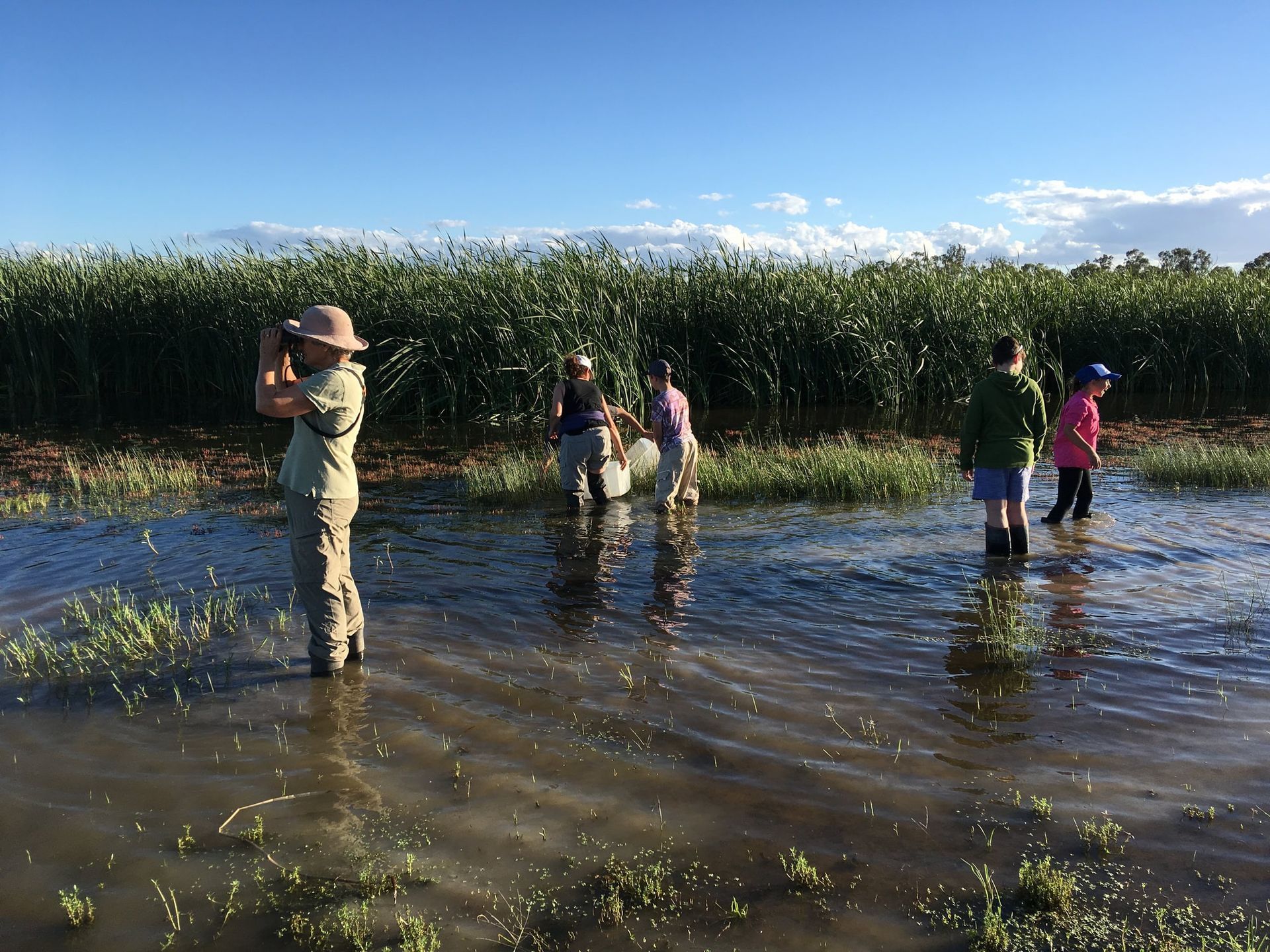
 On the 24th of October 2020, Western Murray Land Improvement Group along with Barham Landcare, held a fun and interactive workshop involving local Primary School children at Federation Reserve in Barham NSW. Two primary school classes from Barham Public School attended the workshop that saw Kindergarten on their very first out of school excursion. They were buddied up with Grade 3/4 and accompanied by 6 teachers and assistants from the school- making the total number of attendees 47. The workshop was facilitated by Barham Landcare volunteer and group treasurer Christine Dartnell and Local Landcare Coordinator (hosted by WMLIG) Stacey Waylen.
October 8, 2026
A summary of the day.
By Donna Marateo • October 8, 2026
A summary of the day.
October 8, 2026
On the 31st of January 2020, over 120 local farmers and agricultural experts attended a Feedlot Information Day held in Wakool. The crowd was a diverse geographical mix, with attendees from Lalbert, Piangil, Moulamein, Barham, Deniliquin and Wakool. As following with the 'young farmer' focus of the event, the majority (42%) of attendees were under 35, while 28% were 35-45 and 37% were 45+. The day began with a workshop at the Wakool Club focused on livestock feedlot considerations. Presenter Geoff Duddy from Sheep Solutions discussed the pro's and con's of feedlotting versus containment feeding, the cost of feed and comparison of different systems. He emphasized the importance of feeding sheep protein to build muscle, wool and encourage growth. The group finished off with an understanding of how feedlots interacted with the whole farm system. Following this presentation, district vet Linda Searle (Murray Local Land Services), educated attendees on the range of livestock diseases or health complications associated with feedlot production systems.
October 2, 2026
Want to keep up to date?
October 2, 2026
World Wetlands Day 2023
October 2, 2026
​Blackwater events cause mass fish deaths across the Murray-Darling Basin
By John Reynold Tubay • September 29, 2026
In March 2020, we organised and coordinated a tour for local producers of the Griffith, Whitton and Coleambally areas, in the north-western region of the Riverina region of New South Wales. ​ Whilst it was a challenge in COVID-regulation times, our organisers, Stacey and Amy, did a great job in selecting a line-up of some of the most impressive and inspiring businesses that have successfully innovated existing product or created new products utilising spare capacity. ​ Many of the businesses that the group visited looked at value-adding options, supply chain innovation, collaboration and diversification opportunities.
By John Reynold Tubay • September 29, 2026
Key facts