Resilient Pastures Project
This is a subtitle for your new post
About the Project
The Resilient Pastures for A Changing Climate Project is running between 2021-2025 and aims to improve 4,000ha of farming and grazing practices. It aims to demonstrate adaptive natural resource and farm management practices which have the ability to build resilience in the agricultural landscapes within the Western NSW Murray region and beyond.
The project aims to improve long term drought resilience and farm sustainability by increasing the productivity of old irrigation land which has reverted to dryland. Demonstration sites will be used to evaluate novel drought-tolerant pasture systems including a biodiverse mix of regenerative pasture and forage species.

Project highlights
30 landholders engaged

4000ha of improved farming and grazing practices over 4 years

Mix of locally proven medics, grasses and clovers encouraged

Improved soil health through increased ground cover and natural capital over time
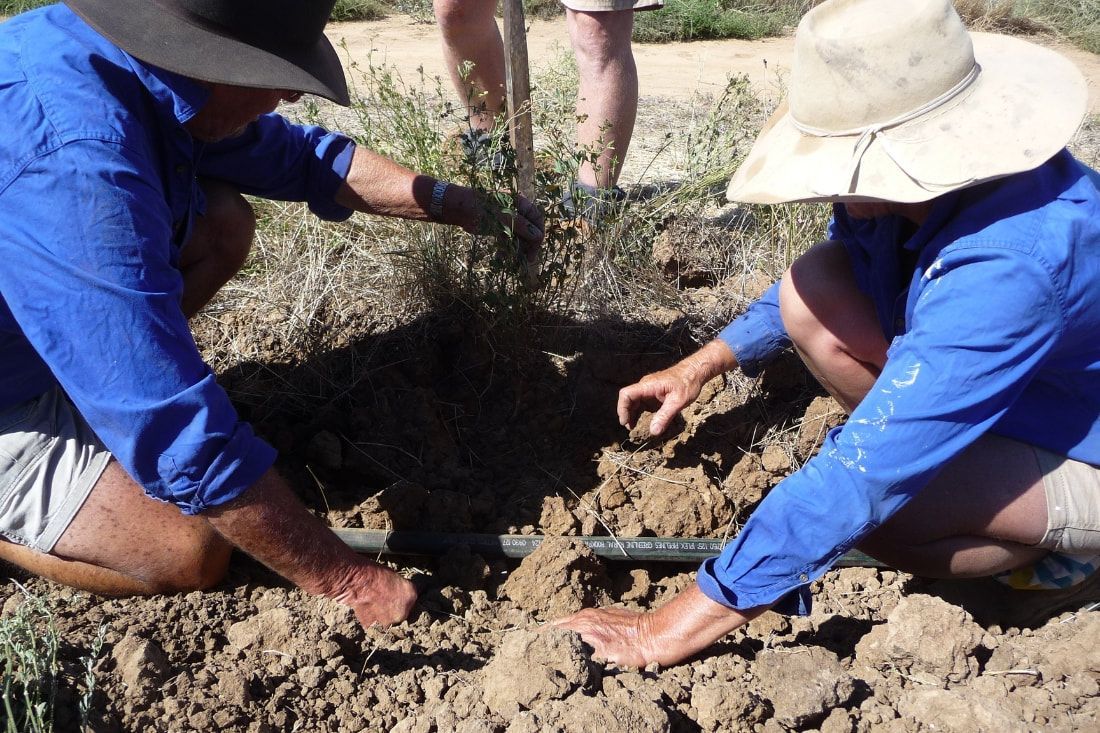
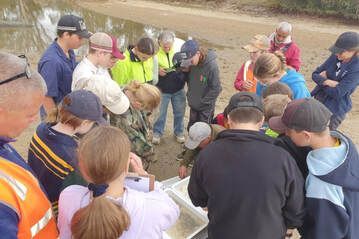
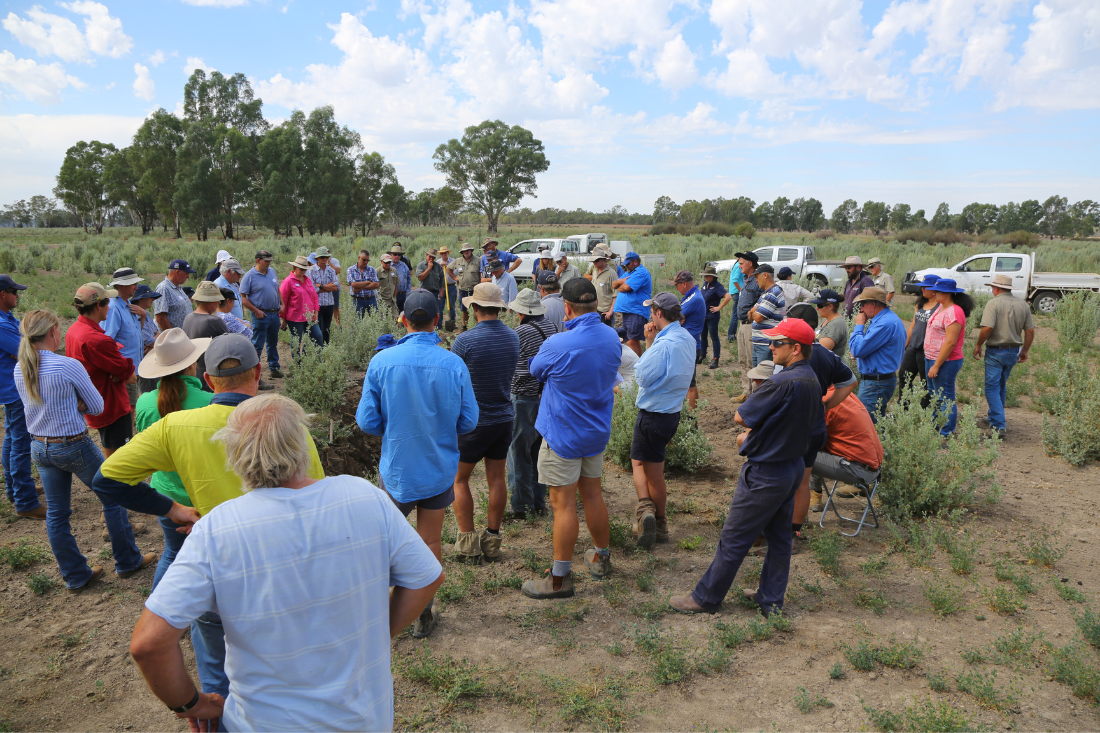
The project involves bringing together local producers for training events and field days which will detail:
- Preparation and recovery from drought.
- The benefits of ecosystem services to a productive agricultural system.
- Productivity, soil health indicators and profitability of the demonstration sites.
- Localised and knowledgeable agronomist providing tailored advice to land holders.
Through the project, a decision support tool will be designed for implementation by local land holders, to assist with pasture species selection based on a number of localised factors.
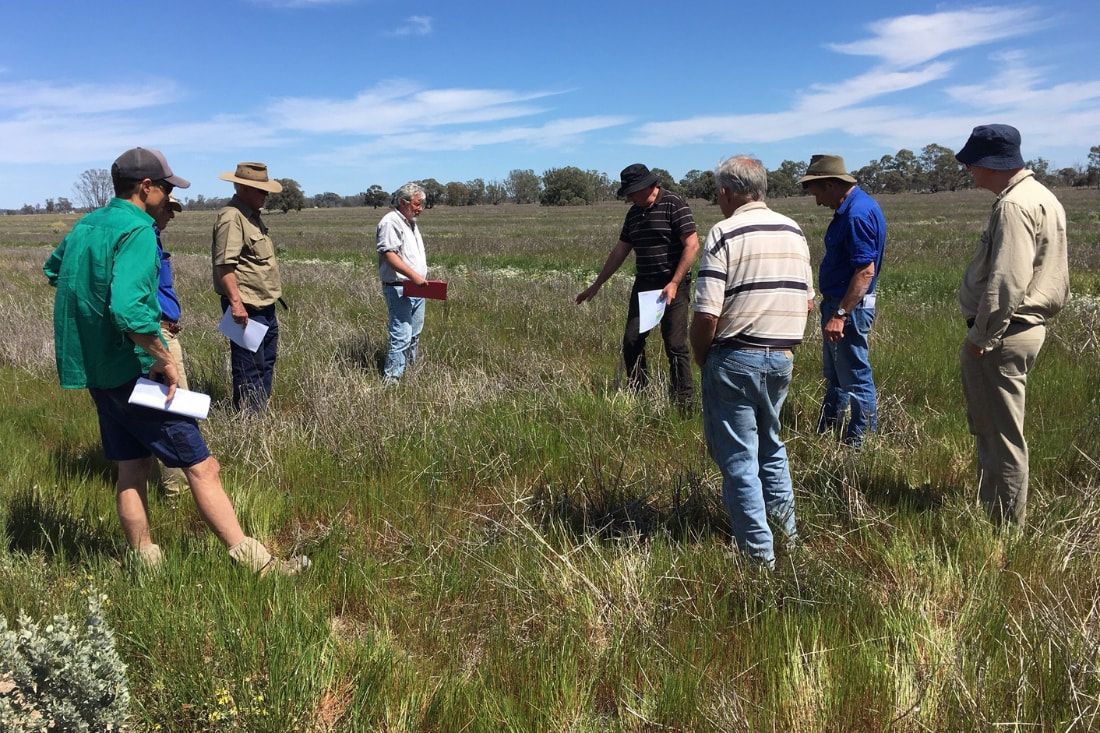
Resilient pasture systems have additional benefits to just offering drought resilience. They also improve soil moisture availability, reduce erosion, provide ground cover, increase soil carbon levels and reduce soil compaction.
Farmer benefits/commitments:
1 Soil test
1 on 1 assessments agronomy consult
Access to future training and events
Decision support tool
Knowledge-sharing with peers
Ongoing project support from WMLIG
1 Our expectations of participants:
Current NSW land holder with a farming operation <40Ha withing a three hour radius of Barham NSW
2 Complete any relevant project surveys
3 Dedicate time to implementation
4 Attend field days and training events
5 Proactive positive attitude and willingness to learn
6 Access to a suitable block of land for improvement, with the intent of ongoing farming
7 Access to data collected from improved paddocks (e.g. yields and soil tests) and area of operation.
For more information on this project, please contact Tahlia by email at tahlia.stewart@wmlig.org
Project History
This project builds on a previous project, Economically Viable Options for Retired Irrigation Land (EVORIL) which took place over five years from 2013-2018.
EVORIL was initiated as a result of declining availability of irrigation water in the south-west Riverina region of NSW. The aim of the project was to investigate the economic feasibility and productivity of various pasture species sown on previously irrigated land that has reverted to dryland.
EVORIL provided farmers with hands on appreciation and capacity to measure critical factors in establishing, growing and managing alternative pasture species varieties through replicated trials and demonstrations on farms. These trials assessed the suitability of grasses (including native species), legumes, saltbush and other native shrubs as part of a diverse landscape mosaic.
A summary and results from this project can be viewed below
read the report
Recent Posts