Maximising Drought Resilience with Natural Capital Opportunities

Share this article

Decision Support Tool 

Murray Inland Delta primary producers have another advantage when it comes to improving drought preparations with our natural capital and drought resilience decision support tool designed by the region’s farmers.
 
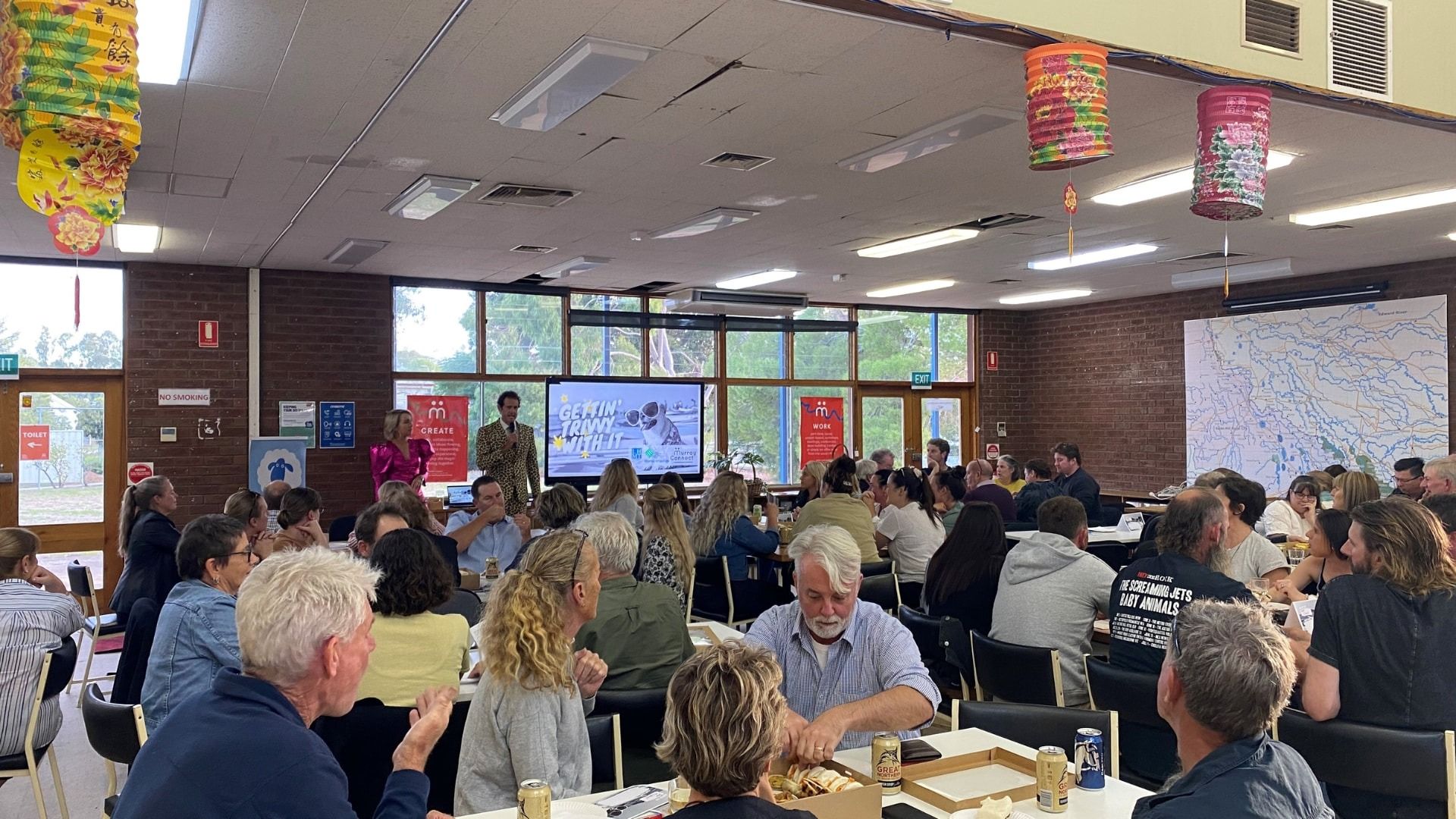
Western Murray Land Improvement Group (WMLIG), with support from the Southern Innovation Hub, convened farmers from across the delta plus experts in environmental markets, banking, drought resilience and farm sustainability to co-design a handy tool to help land stewards get on the front foot when it comes to maximising their natural capital advantages. 
 
TOOL: Download the Natural Capital and Drought Resilience Decision Support Tool below

Download the presentations from our co-design workshops below April 11 and May 8 and watch video of workshop 8th May 2024

The tool guides farmers on initial natural capital accounting assessments which can assist with quantifying and planning land management areas designated for natural capital projects. This approach can lead to more informed decision-making and improved resilience to climate variability.
 
A tailored drought resilience and natural capital index helps with initial planning when weighing up natural capital assets with options on how to improve them. 

The farmer-designed tool includes a decision matrix to aid in understanding which environmental goods and services provision may be worth investigating. Participating in programs that reward farmers can provide additional income streams and help recovery after drought but the markets are emerging and information is scattered.
 
The co-design group found that community support and network building were a key element of drought resilience and aggregated natural capital projects across a landscape were and could increasingly play a part in improving drought resilience.
 
The project was based on several findings that forming networks and engaging in peer-to-peer learning can help farmers share best practices and new tools for managing drought and other climate risks. Collaborative approaches leads to wider adoption of effective drought-ready production and natural capital management strategies.
 
The tool was also designed to help farmers leverage future support programs and grants for drought and climate change preparedness. If financial assistance for on-ground works - fencing, water point efficiency, establishing containment areas, crucial for managing stock and maintaining farm productivity during droughts - are made available, farmers can see ahead of time where this may have multiple benefits for natural capital projects. 

For more information, please contact Jacqueline McArthur at
Jacqueline.McArthur@wmlig.org

Recent Projects

October 8, 2026
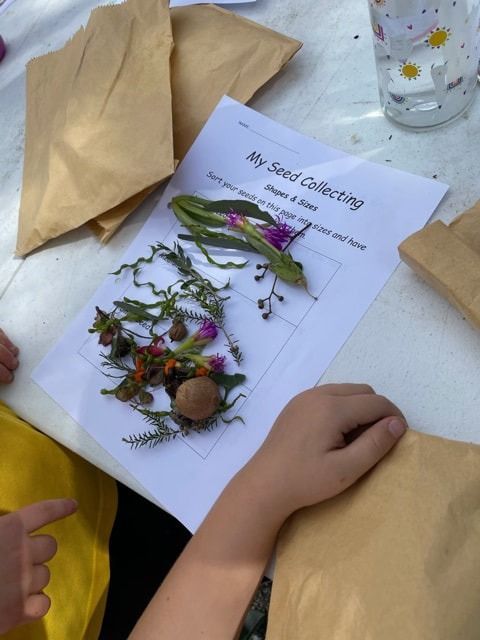
 On the 24th of October 2020, Western Murray Land Improvement Group along with Barham Landcare, held a fun and interactive workshop involving local Primary School children at Federation Reserve in Barham NSW. Two primary school classes from Barham Public School attended the workshop that saw Kindergarten on their very first out of school excursion. They were buddied up with Grade 3/4 and accompanied by 6 teachers and assistants from the school- making the total number of attendees 47. The workshop was facilitated by Barham Landcare volunteer and group treasurer Christine Dartnell and Local Landcare Coordinator (hosted by WMLIG) Stacey Waylen.
October 8, 2026
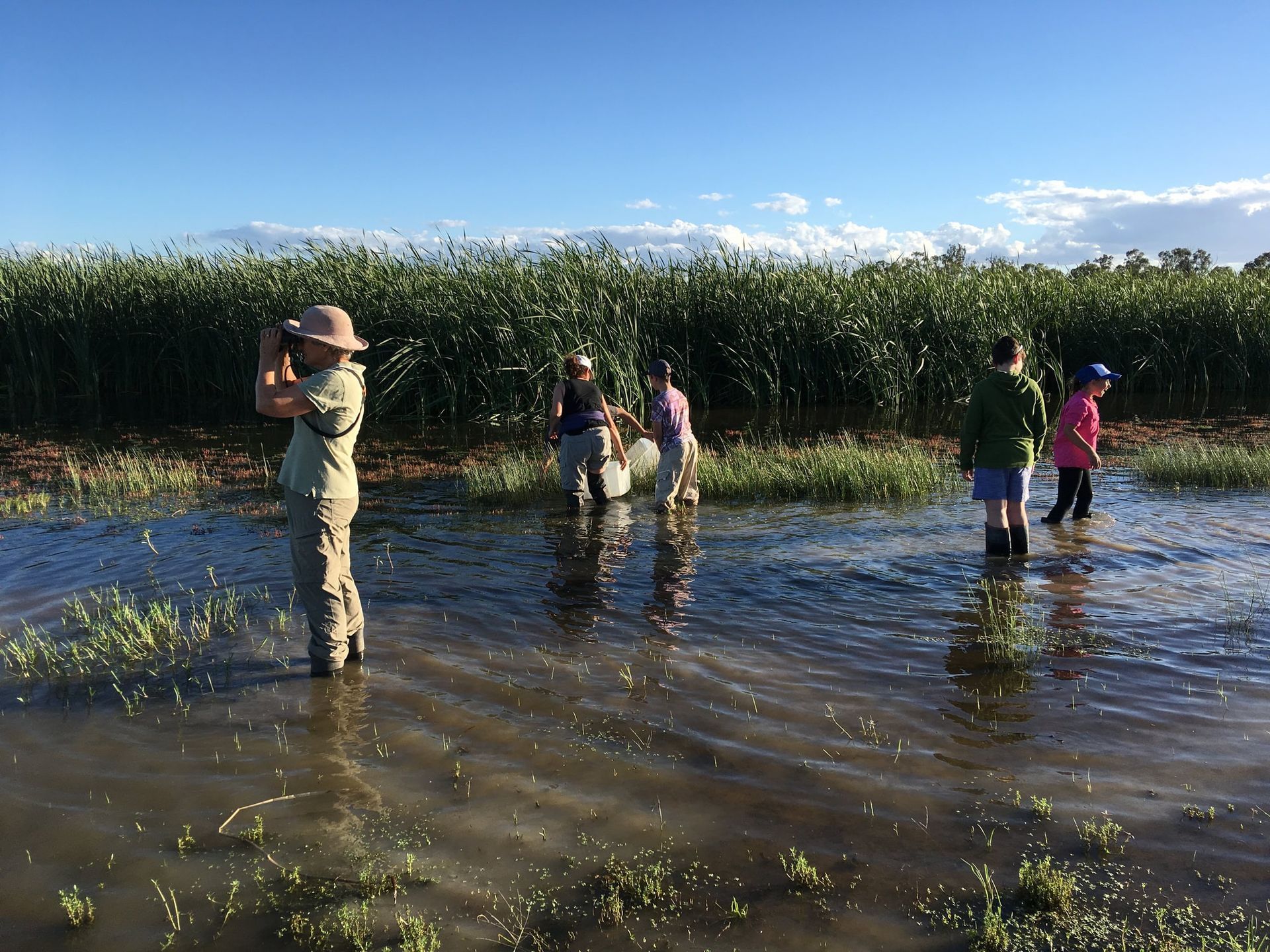
A summary of the day.
By Donna Marateo • October 8, 2026
A summary of the day.
October 8, 2026
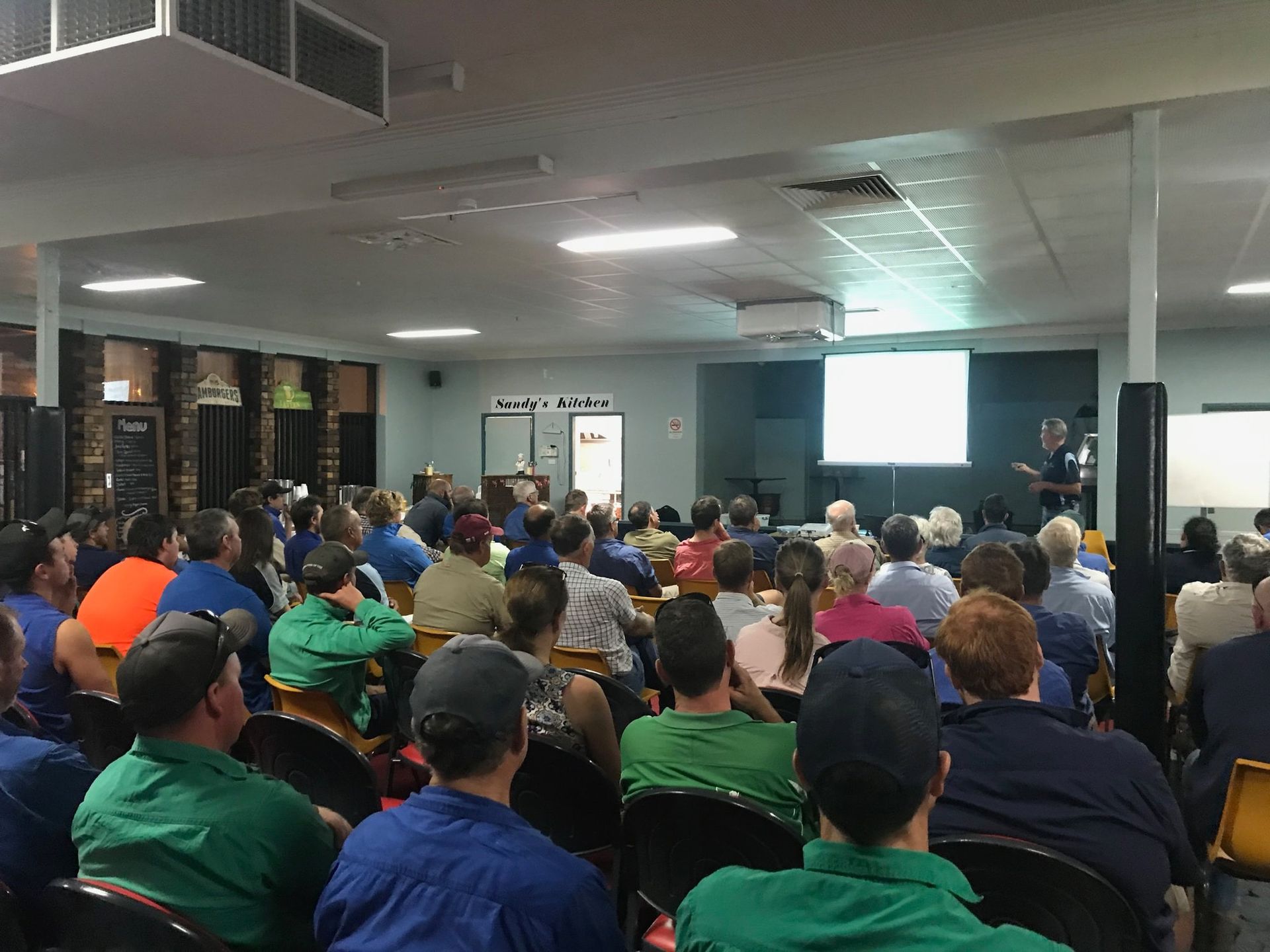
On the 31st of January 2020, over 120 local farmers and agricultural experts attended a Feedlot Information Day held in Wakool. The crowd was a diverse geographical mix, with attendees from Lalbert, Piangil, Moulamein, Barham, Deniliquin and Wakool. As following with the 'young farmer' focus of the event, the majority (42%) of attendees were under 35, while 28% were 35-45 and 37% were 45+. The day began with a workshop at the Wakool Club focused on livestock feedlot considerations. Presenter Geoff Duddy from Sheep Solutions discussed the pro's and con's of feedlotting versus containment feeding, the cost of feed and comparison of different systems. He emphasized the importance of feeding sheep protein to build muscle, wool and encourage growth. The group finished off with an understanding of how feedlots interacted with the whole farm system. Following this presentation, district vet Linda Searle (Murray Local Land Services), educated attendees on the range of livestock diseases or health complications associated with feedlot production systems.
October 2, 2026
Want to keep up to date?
October 2, 2026
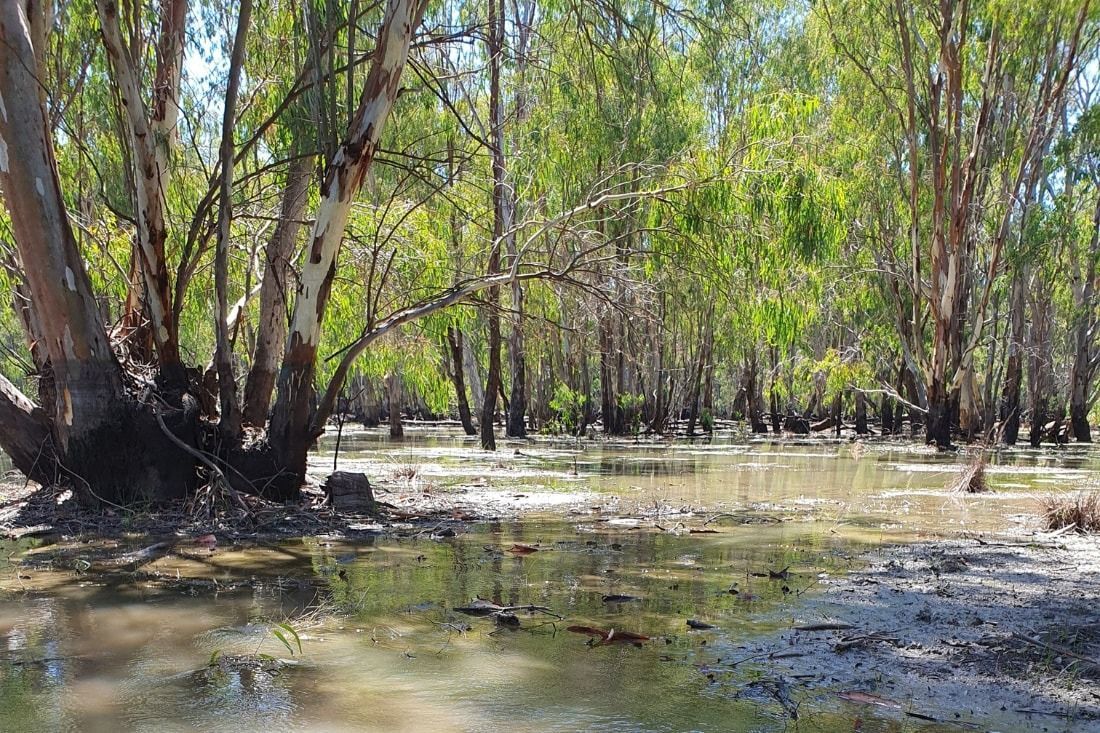
World Wetlands Day 2023
October 2, 2026
​Blackwater events cause mass fish deaths across the Murray-Darling Basin
By John Reynold Tubay • September 29, 2026
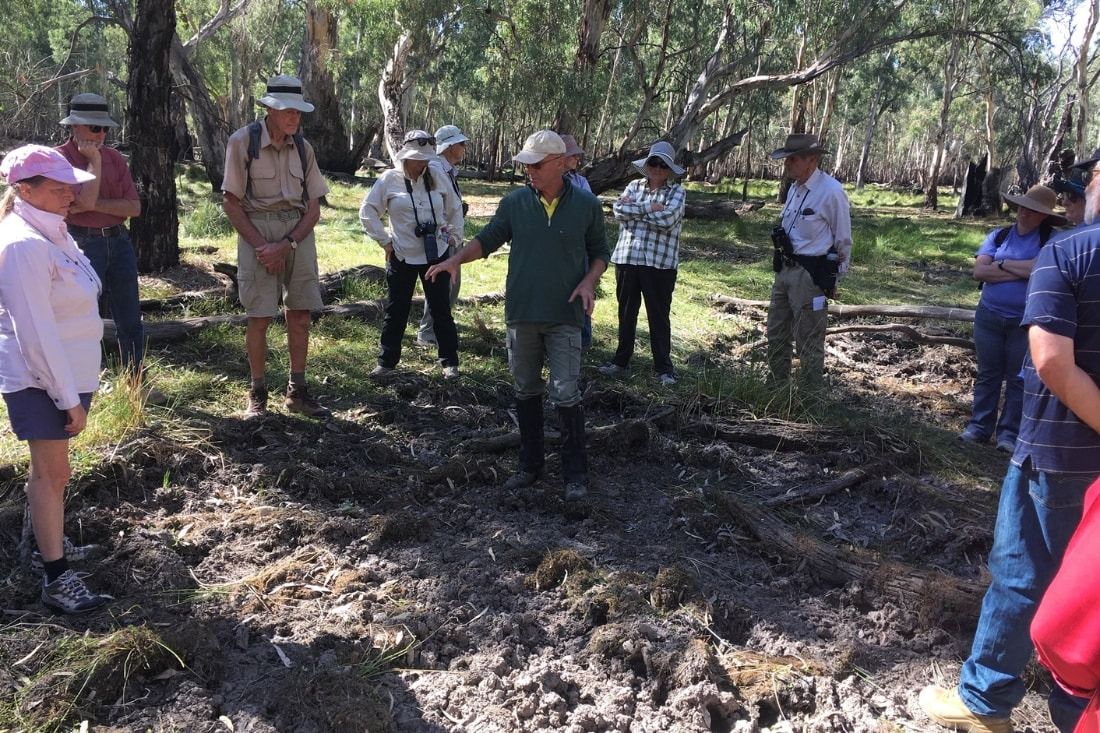
In March 2020, we organised and coordinated a tour for local producers of the Griffith, Whitton and Coleambally areas, in the north-western region of the Riverina region of New South Wales. ​ Whilst it was a challenge in COVID-regulation times, our organisers, Stacey and Amy, did a great job in selecting a line-up of some of the most impressive and inspiring businesses that have successfully innovated existing product or created new products utilising spare capacity. ​ Many of the businesses that the group visited looked at value-adding options, supply chain innovation, collaboration and diversification opportunities.
By John Reynold Tubay • September 29, 2026
Key facts