

Resilience principles A community led recovery Plan in the good times to be prepared for the bad times Continuous learning and improvement Strategies include Build resilience with adaptive methods Diversify the economy and capture value at home Build the capacity of the community Provide clear, timely and accurate communication

We've got plenty of On-Farm Water Management Workshops planned for February 2025. Click the link to see the list on our upcoming events page
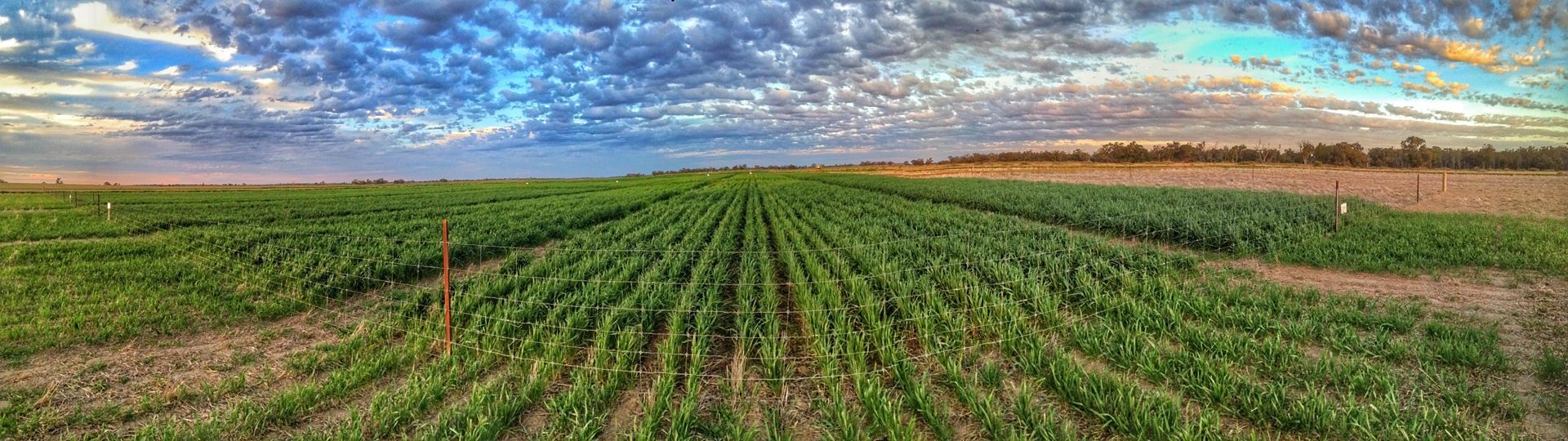
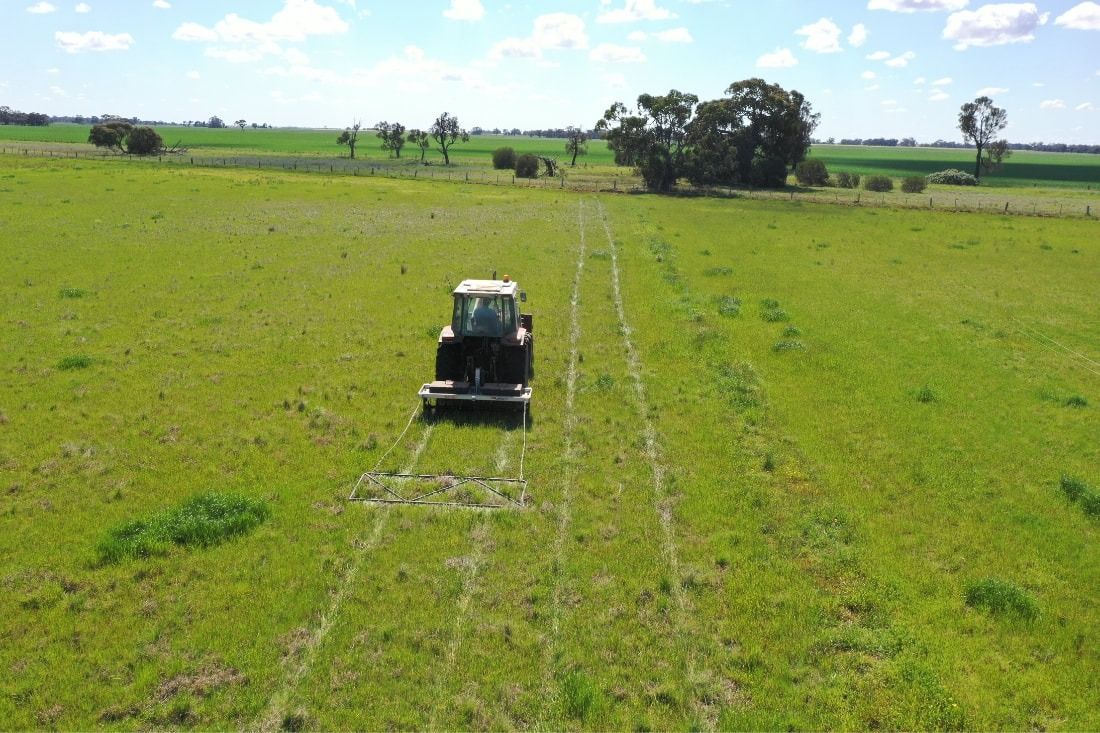
he mid-row banding project has been running in the local area since 2015 on researcher Leigh Vial's property, North Dale. This property is situated 40km from Moulamein NSW and 33km from Swan Hill VIC. Leigh saw the need for better nitrogen management within his rice stubbles. In his experience, the moderately sodic clay soils on his property were able to retain moisture post flooding in a rice crop, minimising the need for irrigation the following season. However, crops grown in rice stubble are always nutrient poor and suffer waterlogging during the growing season. As a result copious amounts of nitrogen are applied to these crops, with much of it being lost from the system. Leigh decided to trial mid-row banding his nitrogen to slow the conversion of Urea into plant-available nitrate. In theory, the high concentration of nitrogen should inhibit microbial activity on the fertiliser until later in the season. The longer that fertiliser is in an ammonium state, the less likely it is to be lost via leaching or waterlogging. If successful, this should result in lower crop nitrogen requirements, labour and increased yield potential. In 2015 Leigh enlisted the help of our Project Officer, Laura Kaylock to create a trial protocol and take in-crop samples to measure crop uptake of banded nitrogen. The first year produced promising results, with strongly visual differences in crop growth between different banding concentrations. Apparent nitrogen use efficiency was around 19-30% and high grain protein suggested that potential yield was not obtained due to a dry finish. Using a SPAD chlorophyll meter (N Tester), a nitrogen uptake graph was created. This showed that plants did not begin to access the bands until 10 weeks after sowing and were accessing banded nitrogen after flowering. Last year the trial experienced prolonged periods of waterlogging, which slowed the uptake of banded nitrogen until 13 weeks after sowing. Again, nitrogen was still being accessed until after flowering but not to the extent of 2015. Nitrogen use efficiency reached 10-17%.
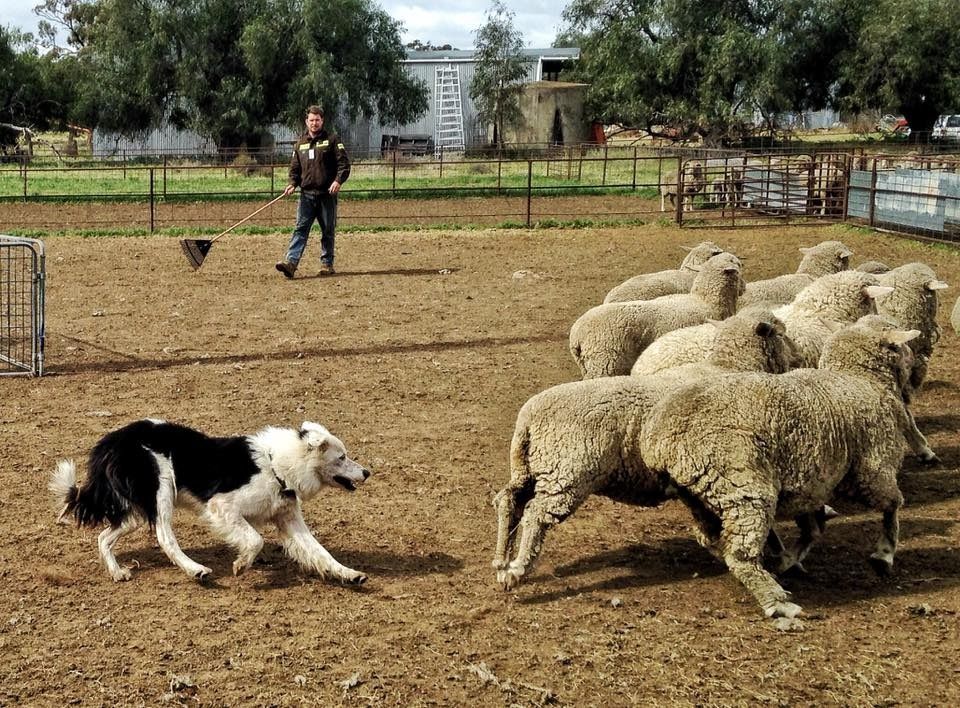
4-5th September 2017
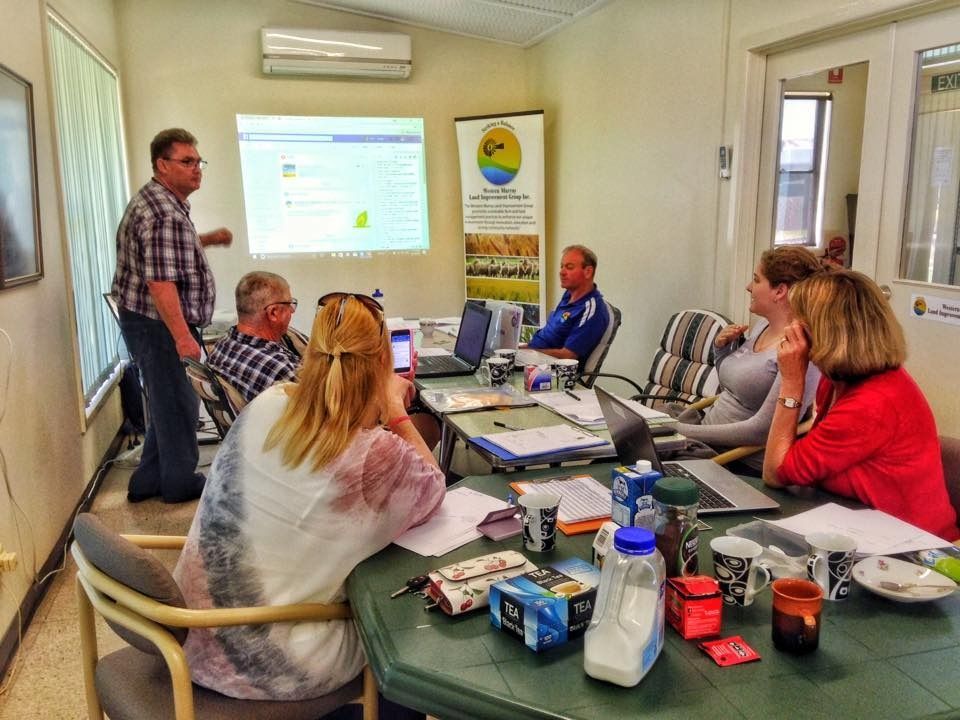
On Monday the 16th of October six people attended a social media and website workshop held at the WMLIG office. The workshop was presented by Joe Lochery of Rebel Web Solutions, who has been involved in website design and development for 15 years and social media management for 10 years. Over this time he has worked with a diverse client base from large corporate companies through to small rural businesses. Joe is passionate about helping local communities and has been integral to WMLIG's online presence. In the workshop, Joe explained that the first step was to identify "who you are speaking for, speaking with and speaking to" to ensure that the content you provide is relevant to consumers. He also spoke on the importance of having a good website, "users must be able easily find what they are looking for and able to find answers to their questions. if they can't find any answers within your website content, you need to allow them somewhere to ask a question". For social media, there is an important algorithm to remember: video beats photo, while a photo beats words. Most social media is consumed on a phone, so your content must be suitable for that format. For those with existing social media pages, there is a new platform called BeLive.Tv now available which will allow easy broadcasting of live interviews with multiple people involved. This area will be where your audience will be consuming. Lastly, Joe emphasised, "you must be able to measure your return on investment of time or money" to see how effective current methods are in obtaining your goals. Google Analytics is a good way of doing this and has the ability to report on many aspects of consumer activity.
On Monday the 16th of October six people attended a social media and website workshop held at the WMLIG office. The workshop was presented by Joe Lochery of Rebel Web Solutions, who has been involved in website design and development for 15 years and social media management for 10 years. Over this time he has worked with a diverse client base from large corporate companies through to small rural businesses. Joe is passionate about helping local communities and has been integral to WMLIG's online presence. In the workshop, Joe explained that the first step was to identify "who you are speaking for, speaking with and speaking to" to ensure that the content you provide is relevant to consumers. He also spoke on the importance of having a good website, "users must be able easily find what they are looking for and able to find answers to their questions. if they can't find any answers within your website content, you need to allow them somewhere to ask a question". For social media, there is an important algorithm to remember: video beats photo, while a photo beats words. Most social media is consumed on a phone, so your content must be suitable for that format. For those with existing social media pages, there is a new platform called BeLive.Tv now available which will allow easy broadcasting of live interviews with multiple people involved. This area will be where your audience will be consuming. Lastly, Joe emphasised, "you must be able to measure your return on investment of time or money" to see how effective current methods are in obtaining your goals. Google Analytics is a good way of doing this and has the ability to report on many aspects of consumer activity.
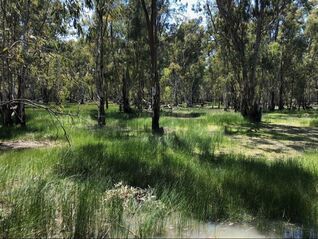
The Living Murray Project
This is a subtitle for your new post
This is a subtitle for your new post
